

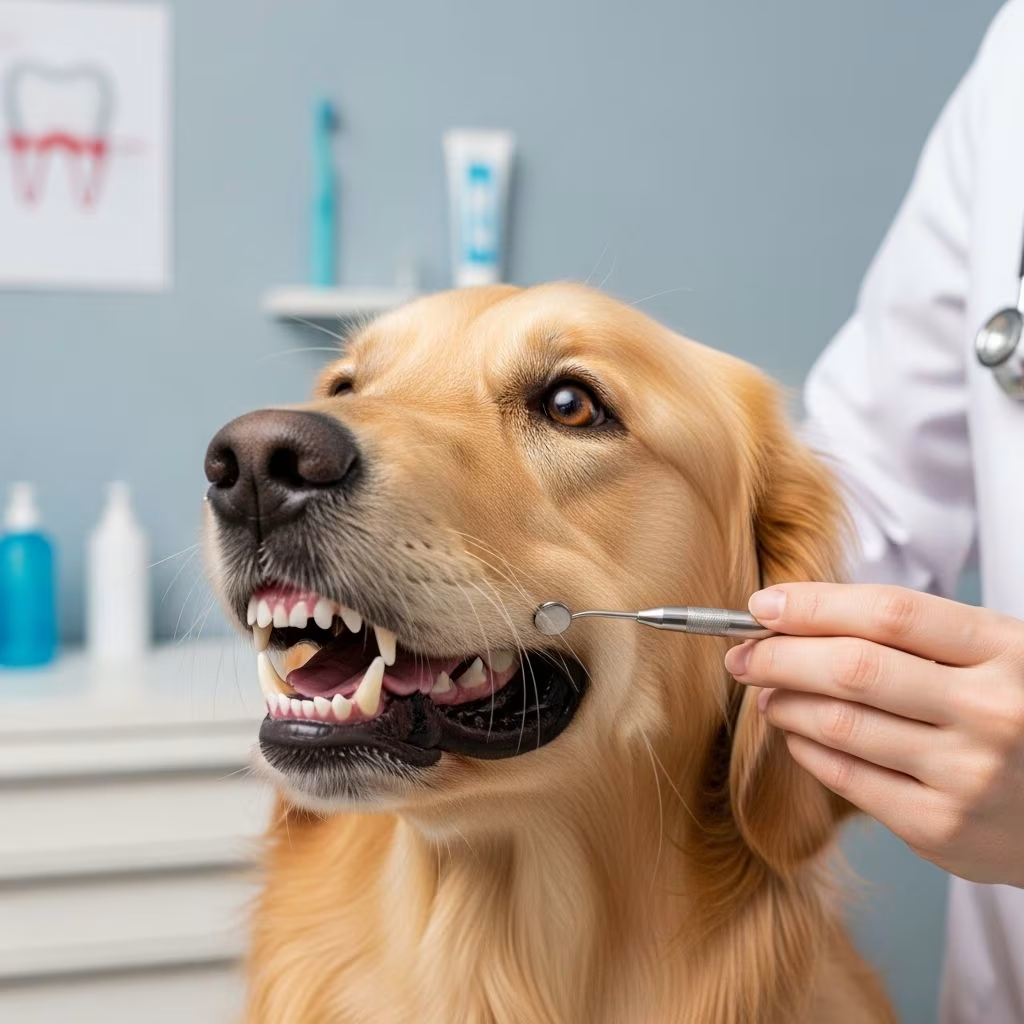
Dogs require regular dental maintenance to avoid widespread oral issues that impact their entire body. Professional cleanings, combined with home practices, form the cornerstone of preventing painful conditions and supporting longevity.
The Hidden Dangers of Neglected Oral Health in Dogs
Overlooking a dog’s dental needs leads to rapid progression of problems starting with plaque accumulation. This soft, bacterial film hardens into tartar within days, irritating gums and fostering infections. By age three, most dogs show signs of dental disease, making early intervention critical.
Periodontal disease dominates as the leading oral affliction, affecting tissues around teeth and causing inflammation, bone loss, and eventual tooth detachment. Bacteria from infected mouths enter the bloodstream, potentially harming the heart, kidneys, and liver through a process known as bacteremia.
- Painful inflammation: Gums swell and bleed, leading to chronic discomfort that dogs hide well.
- Tooth mobility: Supporting structures weaken, causing teeth to loosen and fall out prematurely.
- Systemic spread: Oral pathogens travel to distant organs, exacerbating conditions like endocarditis or nephritis.
These issues diminish appetite, energy levels, and quality of life, often shortening lifespan if untreated. Routine veterinary oversight addresses these threats effectively.
Recognizing Early Warning Signs of Dental Distress
Pet owners must stay vigilant for subtle indicators of brewing oral problems. Changes in behavior or appearance often signal the need for prompt veterinary evaluation.
| Sign | Description | Potential Cause |
|---|---|---|
| Foul breath | Persistent halitosis that worsens over time | Bacterial overgrowth from plaque and tartar |
| Excessive drooling | Increased saliva production or pawing at mouth | Gum irritation or abscess formation |
| Discolored teeth | Yellow-brown buildup on enamel | Tartar accumulation above gumline |
| Loose or fractured teeth | Visible gaps or chewing reluctance | Advanced periodontal breakdown |
| Facial swelling | Puffiness around jaw or cheeks | Root abscesses or infections |
Detecting these symptoms early allows for less invasive treatments. Regular home checks, including lifting lips to inspect gums and teeth, complement professional exams.
Why Professional Cleanings Outperform Home Efforts Alone
While daily brushing helps, it cannot eliminate subgingival tartar—the hidden buildup below the gumline responsible for most severe disease. Veterinary dental procedures under anesthesia provide comprehensive care unattainable at home.
The process begins with a full-mouth assessment using dental probes and radiographs to detect hidden fractures, abscesses, or bone loss. Scaling removes calculus from all surfaces, followed by polishing to seal microscopic pores against future adhesion. Fluoride applications or sealants may follow for added protection.
- Thorough scaling: Ultrasonic tools and hand instruments clear plaque from crowns and roots.
- Imaging diagnostics: X-rays reveal 50-70% of issues invisible externally.
- Extractions when needed: Removing irreparable teeth prevents pain and infection spread.
Post-cleaning, veterinarians advise tailored home regimens and schedule follow-ups, typically annually or biannually for high-risk breeds like small dogs or seniors.
Debunking Myths: The Truth About Anesthesia-Free Cleanings
Anesthesia-free dental “cleanings” offered by some groomers or technicians only scrape visible tartar, ignoring the problematic subgingival deposits. Veterinary organizations classify these as cosmetic only, lacking therapeutic value and potentially illegal without licensure.
Risks include incomplete cleaning leading to disease progression, stress-induced health events in uncooperative dogs, and mouth injuries from improper restraint. Full anesthesia enables safe, detailed work, with modern protocols minimizing complications via pre-op bloodwork and monitoring.
Owners seeking frequent maintenance should prioritize vet-supervised options, as anesthesia-free methods fail to prevent the very issues they claim to address.
Building a Robust At-Home Dental Routine
Daily habits bridge professional cleanings, reducing tartar by up to 70% when consistent. Start slow to acclimate your dog, using vet-recommended products.
- Brushing technique: Use enzymatic toothpaste (never human varieties) on a soft brush or finger cot, targeting outer surfaces 2-3 times weekly.
- Chew selections: Opt for VOHC-approved dental chews that mechanically scrape and contain plaque-fighting agents.
- Water additives: Chlorhexidine-based rinses inhibit bacterial growth between brushings.
- Dietary aids: Kibble formulated to scrub teeth during meals supports ongoing hygiene.
Train with positive reinforcement: Reward calm behavior during tooth inspections. Consistency yields fresher breath, whiter teeth, and fewer vet visits.
Frequency Guidelines by Age, Breed, and Risk Factors
Dental needs vary; small breeds like Chihuahuas and Dachshunds suffer crowded teeth prone to rapid buildup, while seniors face increased gum recession.
| Dog Profile | Recommended Cleaning Frequency | Key Risks |
|---|---|---|
| Puppies/Young Adults | Every 1-2 years | Early plaque habits |
| Small Breeds | Every 6-12 months | Crowding, rapid tartar |
| Seniors (7+ years) | Every 6 months | Recession, mobility loss |
| High-Risk (diet, dry mouth) | Every 6 months | Accelerated disease |
Consult your vet for personalized schedules based on exams. Early spay/neuter or certain medications may influence needs.
Long-Term Rewards of Committed Dental Wellness
Investing in oral health translates to pain-free chewing, sustained energy, and stronger immunity. Dogs with pristine mouths eat better, maintaining ideal weight and vitality. Studies link good dental hygiene to fewer systemic illnesses, enhancing lifespan by years.
Post-cleaning, many dogs exhibit brighter personalities, renewed playfulness, and normalized eating—visible proof of relief. This commitment fosters deeper owner-pet bonds through proactive care.
Frequently Asked Questions
How often should my dog get a professional dental cleaning?
Most benefit annually, but small breeds or those with issues may need it every six months. Vet assessments determine the ideal interval.
Is anesthesia safe for dog dental procedures?
Yes, with modern monitoring and pre-screening, risks are low and far outweighed by benefits of thorough cleaning.
Can I prevent dental disease entirely at home?
No single method eliminates need for pros, but brushing and chews significantly slow progression.
What if my dog resists tooth brushing?
Introduce gradually with treats; use flavored pastes and short sessions to build tolerance.
Does pet insurance cover dental cleanings?
Many plans include routine care; check policy details for wellness coverage.
References
- Why Dog Teeth Cleaning is Important for Your Pet’s Health — Chimacum Veterinary Clinic. 2023. https://chimacumvet.com/blog/dog-teeth-cleaning/
- 5 Reasons Why Dog Dental Care Is Important — PetMD. 2023. https://www.petmd.com/news/view/5-reasons-why-dog-dental-care-important-38003
- Why Dental Hygiene is Important For Dogs — Village Veterinary Hospital. 2023. https://vvhvet.com/blog/1212790-why-dental-hygiene-is-important-for-dogs_2
- Pet dental care — American Veterinary Medical Association (AVMA). 2025. https://www.avma.org/resources-tools/pet-owners/petcare/pet-dental-care
- Cleaning Your Dogs Teeth – Dog Dental Health — RSPCA. 2024. https://www.rspca.org.uk/adviceandwelfare/pets/dogs/health/teeth



