

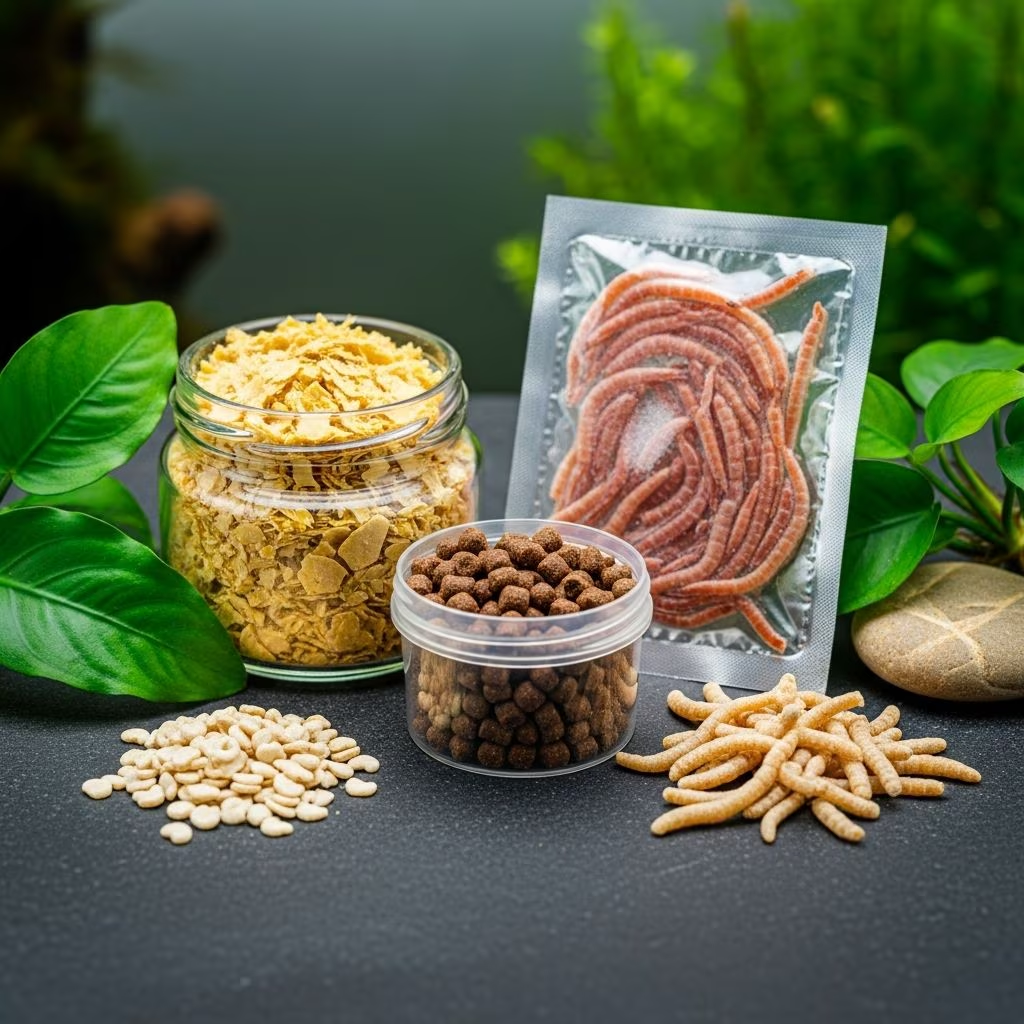
Proper nutrition forms the foundation of a successful freshwater aquarium. Understanding the unique dietary requirements of your fish ensures they exhibit bright colors, active behavior, and robust health while preventing common issues like poor water quality. This comprehensive guide explores dietary classifications, food selection, feeding routines, and advanced techniques tailored to various species and life stages.
Understanding Dietary Needs by Fish Type
Freshwater fish fall into three primary categories based on their natural feeding habits: herbivores, carnivores, and omnivores. Matching food to these preferences promotes optimal growth and vitality.
- Herbivores such as goldfish and certain angelfish derive energy from plant matter and algae. They benefit from spirulina-enriched flakes, algae discs, and blanched vegetables to simulate their wild grazing behavior.
- Carnivores like betta fish and many cichlids require high-protein sources including bloodworms, brine shrimp, and meaty pellets to support muscle development and aggression typical in predatory species.
- Omnivores, the most common group including tetras and guppies, thrive on balanced formulations combining plant and animal proteins for comprehensive nutrition.
Research from veterinary sources emphasizes variety to mimic natural diets, enhancing coloration and immunity.
Selecting the Ideal Staple Foods
A reliable base diet anchors your feeding regimen. High-quality flakes and pellets provide essential vitamins, minerals, and stable nutrition without rapid spoilage.
| Food Type | Best For | Key Benefits | Sinking/Floating |
|---|---|---|---|
| Flakes | Surface and mid-water feeders (e.g., tetras, danios) | Easy dispersal, broad nutrient profile | Floats initially |
| Slow-Sinking Pellets | Mid-water species (e.g., angelfish) | Nutrient-dense, targeted delivery | Slow sink |
| Sinking Pellets/Wafers | Bottom dwellers (e.g., plecos, catfish) | Prevents waste, night feeding compatible | Fast sink |
Choose products sized to your fish’s mouth; small crumbles suit fry and nano fish, while larger pellets feed predators. Soaking flakes accelerates sinking for deeper feeders.
Portion Control: The Key to Clean Water
Overfeeding tops the list of aquarium pitfalls, causing ammonia spikes, algae blooms, and obese fish. Veterinary guidelines recommend offering only what fish consume in 2-3 minutes.
- Start with 4-5 flakes or pellets per fish, observing consumption.
- Siphon uneaten remnants after 5 minutes to maintain pristine conditions.
- In new tanks, feed every other day initially to stabilize the nitrogen cycle.
Active species at warmer temperatures (above 78°F) metabolize faster, needing slight increases, but always prioritize underfeeding.
Customized Feeding Schedules for Life Stages
Adjust frequency and quantity based on age, activity, and tank conditions. Nature-inspired timing—morning and dusk—aligns with innate rhythms.
Adult Fish Routines
Once daily suffices for most adults after tank cycling. Activate lights 30-60 minutes prior to encourage feeding. Nocturnal bottom feeders like loaches receive sinking foods post-lights-out.
Fry and Juvenile Care
Rapidly growing fry demand 3-4 small meals daily, using powdered foods or infusoria to match tiny mouths. Transition juveniles to crushed flakes as they mature.
Species-Specific Adjustments
- High-metabolism swimmers (danios): Twice daily in moderation.
- Herbivores: Scatter veggies throughout the day for grazing.
- Predators: Larger, infrequent high-protein feeds.
Shy fish may require target feeding with turkey basters to ensure equitable nutrition.
Enhancing Diets with Supplements and Treats
Staples cover basics, but 20-30% variety boosts health. Introduce frozen, live, or fresh options 2-3 times weekly.
- Frozen/Freeze-Dried: Brine shrimp, daphnia, bloodworms deliver protein bursts for carnivores. Thaw and portion via syringe for control.
- Vegetables: Blanch zucchini, spinach, or peas for omnivores/herbivores; secure with clips.
- Live Foods: Worms or daphnia spark hunting instincts, ideal sparingly to avoid disease.
LiveAquaria charts confirm species-tailored supplements prevent deficiencies.
Addressing Bottom Feeder Challenges
Species like plecos and corydoras scavenge overlooked scraps, risking starvation amid competitors. Dedicate sinking wafers or tablets post-main feeding.
- Feed nocturnally to match habits.
- Use algae-based discs for plecos’ wood-fiber needs.
- Monitor for competition; supplement isolated areas.
Avoiding Pitfalls for Long-Term Success
Common errors undermine even well-intentioned care.
| Mistake | Consequences | Solution |
|---|---|---|
| Overfeeding | Ammonia toxicity, cloudy water | 2-3 minute rule, daily siphoning |
| Wrong Food Type | Malnutrition, faded colors | Match diet to species |
| Inconsistent Schedule | Stress, aggression | Fixed morning/dusk times |
| Ignoring Bottom Dwellers | Emaciation, lethargy | Sinking foods nightly |
Variety—staples 70%, treats 30%—fosters resilience.
Monitoring Health Through Feeding Response
Observe vigor: Enthusiastic feeding signals well-being; refusal indicates stress, illness, or improper diet. Adjust accordingly and consult vets for persistent issues.
Frequently Asked Questions
How often should I feed my freshwater fish?
Adults once daily; fry 3-4 times. Use the 2-3 minute consumption rule.
Can I feed fish every day?
Yes, post-cycling, but every other day suits beginners to avoid waste.
What if food sinks uneaten?
Remove immediately via net or siphon to prevent decay.
Are live foods safe?
Rinse thoroughly; limit to prevent parasites.
How do I feed picky eaters?
Target with basters; gradually introduce variety.
Building a Thriving Feeding Routine
Consistency yields results: balanced diets, precise portions, and observant tweaks create vibrant communities. Regular maintenance amplifies benefits, ensuring your freshwater haven flourishes.
References
- A Beginner’s Guide to Feeding Freshwater Aquarium Fish — Bubble Magus. 2023. https://bubble-magus.net/blogs/aqua-feeding-101/beginners-guide-feeding-freshwater-fish
- How to Properly Feed Your Fish — Aqueon. 2024-01-15. https://www.aqueon.com/articles/how-to-properly-feed-your-fish
- How to Feed your Fish — Chicago Exotics Animal Hospital. 2022-06-10. http://www.exoticpetvet.com/how-to-feed-your-fish.html
- Fish Food Recommendation Chart — LiveAquaria. 2025. https://www.liveaquaria.com/article/165/?aid=165



