

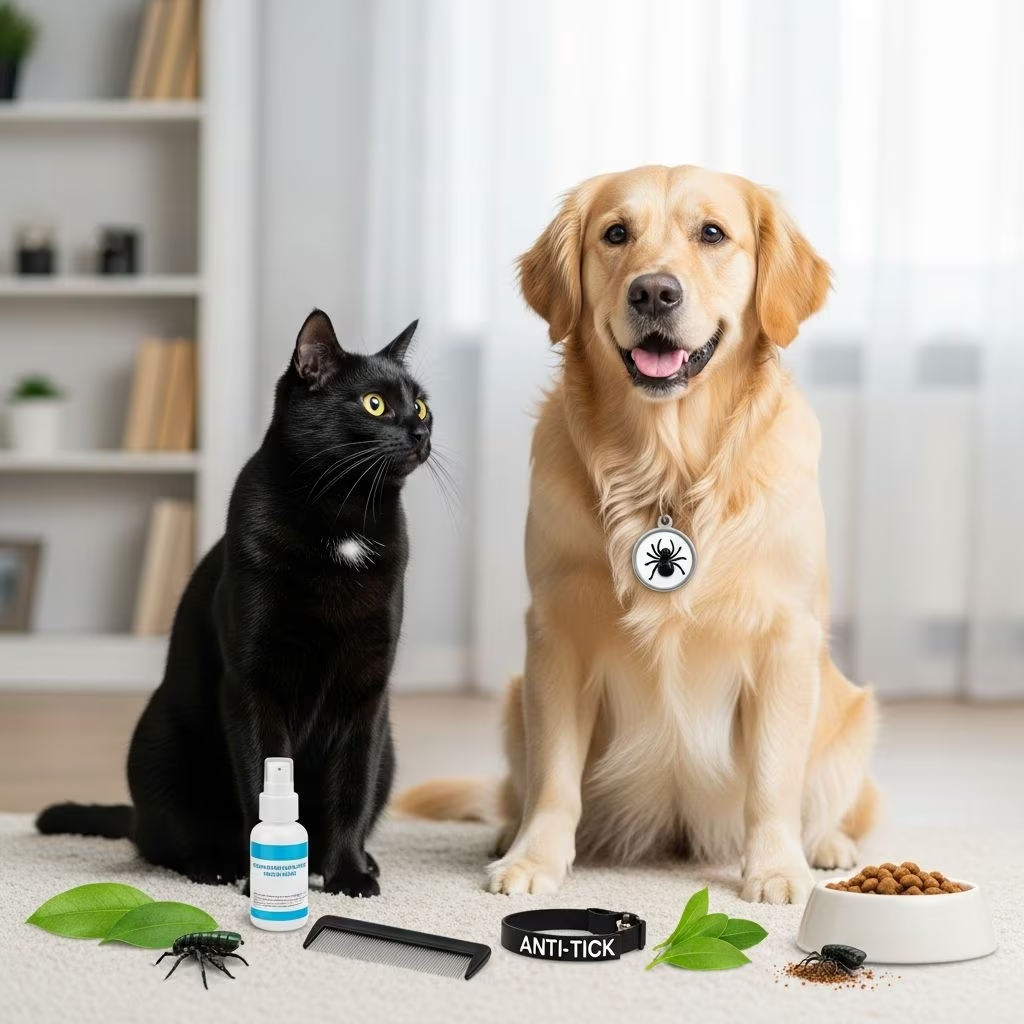
Fleas and ticks pose significant health risks to pets, transmitting diseases and causing discomfort. Effective prevention involves selecting appropriate medications tailored to your pet’s needs, considering factors like age, weight, and regional parasite prevalence.
Understanding the Dangers of Fleas and Ticks
Fleas can infest homes rapidly, with a single female laying up to 50 eggs daily, leading to allergic reactions, anemia in severe cases, and transmission of tapeworms. Ticks, meanwhile, carry pathogens like Lyme disease and Rocky Mountain spotted fever, which can affect both pets and humans. Year-round vigilance is crucial, especially in warmer climates where parasites thrive.
Preventive measures extend beyond pets to the environment, including regular cleaning and yard treatments, to break the life cycle of these pests.
Types of Flea and Tick Prevention Products
Medications fall into categories like topicals, orals, and collars, each with unique application methods and durations.
- Topical Treatments: Applied directly to the skin, these spread via oils, killing or repelling parasites on contact.
- Oral Medications: Chewables or tablets ingested monthly or quarterly, working systemically.
- Collars: Long-lasting options releasing active ingredients over months.
Key Active Ingredients Explained
Modern products use targeted chemicals affecting parasite nervous systems. Common classes include:
- Isoxazolines (e.g., fluralaner, afoxolaner, sarolaner, lotilaner): Rapidly kill fleas and ticks by overstimulating nerves.
- Neonicotinoids (e.g., imidacloprid, dinotefuran): Disrupt neurotransmitter function in insects.
- Phenylpyrazoles (e.g., fipronil): Block GABA receptors, causing paralysis.
- Pyrethroids/Permethrins: Affect sodium channels, leading to spasms and death; toxic to cats.
- Insect Growth Regulators (e.g., pyriproxyfen, (S)-methoprene): Prevent flea development from eggs to adults.
Combinations broaden protection against multiple parasites like heartworms or intestinal worms.
Popular Flea and Tick Products Compared
Choosing the right product depends on coverage needs, duration, and pet specifics. Below is a comparison table of leading options for dogs:
| Product | Form | Duration | Active Ingredients | Protects Against | Min Age/Weight |
|---|---|---|---|---|---|
| Bravecto | Chewable/Topical | 12 weeks | Fluralaner | Fleas, ticks, mange | 6 months |
| Frontline Plus | Topical | Monthly | Fipronil, (S)-methoprene | Fleas, ticks, lice | 8 weeks |
| K9 Advantix II | Topical | Monthly | Imidacloprid, permethrin, pyriproxyfen | Fleas, ticks, mosquitoes, flies | 7 weeks |
| Nexgard | Chewable | Monthly | Afoxolaner | Fleas, ticks, mange | 8 weeks/4 lbs |
| Simparica Trio | Chewable | Monthly | Sarolaner, moxidectin, pyrantel | Fleas, ticks, heartworms, worms | 8 weeks/2.8 lbs |
| Credelio | Chewable | Monthly | Lotilaner | Fleas, ticks | 8 weeks/4.4 lbs |
| Trifexis | Chewable | Monthly | Spinosad, milbemycin oxime | Fleas, heartworms, worms | 8 weeks/5 lbs |
Note: Cats require cat-specific products; permethrin-based ones like K9 Advantix II are toxic to felines.
Safety Considerations and Potential Side Effects
While generally safe, reactions occur. Isoxazolines carry warnings for dogs with seizure histories due to neurologic risks like tremors or ataxia. Common side effects include vomiting, diarrhea, or itching.
Follow age/weight minimums strictly to avoid harm. The FDA advises vet consultation for proper species matching and dosing.
- Monitor for 24-48 hours post-application: lethargy, redness, or excessive scratching warrants immediate vet contact.
- Avoid baths 48 hours before/after topicals for efficacy.
Application Best Practices
Proper use maximizes protection:
- Consult a Vet: Discuss lifestyle, travel, and health history.
- Weigh Accurately: Use correct size dosing.
- Topicals: Part fur at neck/shoulders, apply full dose, avoid rubbing.
- Orals: Give with food to reduce nausea.
- Collars: Fit snugly, not too tight.
Combine with environmental control: vacuum daily, wash bedding in hot water, and treat yards.
Year-Round Prevention Strategies
Parasite activity persists indoors during winter. Maintain monthly dosing regardless of season, adjusting for high-risk areas. Integrate heartworm preventives if multifunction products fit.
For multi-pet homes, use compatible products to prevent cross-contamination.
Addressing Common Myths
- Myth: Natural remedies suffice. Essential oils lack proven efficacy and can be toxic.
- Myth: Winter breaks are safe. Indoor fleas survive; consistent prevention is key.
- Myth: All products are interchangeable. Species, breed sensitivities vary.
Frequently Asked Questions (FAQs)
What if my pet reacts to a product?
Bathe with mild soap, contact vet immediately. Have product details ready.
Can I use dog products on cats?
No—permethrins are deadly to cats. Always use species-specific formulas.
How soon do products start working?
Most kill fleas in hours (e.g., Comfortis in 30 min), ticks in 12-48 hours.
Do I need prevention if indoors only?
Yes, fleas hitchhike indoors via visitors or wildlife.
What’s the cost range?
Monthly chewables: $20-60; topicals: $20-80 for 3-6 doses; collars: $50-70 for 8 months.
Choosing the Best Option for Your Pet
Evaluate based on convenience, broad-spectrum needs, and vet recommendations. Puppies under 8 weeks may need safer alternatives like manual removal until eligible. Regular vet check-ups ensure optimal protection against evolving regional threats.
For comprehensive care, pair medications with grooming routines and home sanitation to create a parasite-free zone.
References
- A Guide to Topical Flea Treatment for Dogs — Chewy. 2023. https://www.chewy.com/education/dog/flea-and-tick/topical-flea-treatment-dogs
- Flea and Tick Prevention for Dogs: A Complete Guide — PetWellClinic. 2023-03-15. https://www.petwellclinic.com/wp/2023/03/15/flea-and-tick-prevention-for-dogs-a-complete-guide/
- Flea and Tick Prevention — VCA Animal Hospitals. N/A. https://vcahospitals.com/know-your-pet/flea-and-tick-prevention
- The Complete Guide to Flea and Tick Prevention and Treatment for Dogs — PetMD. N/A. https://www.petmd.com/dog/general-health/flea-and-tick-prevention-and-treatment-dogs
- What Pet Owners Should Know about Flea and Tick Medications — Animal Medical Center of New York. 2022-12-14. https://www.amcny.org/blog/2022/12/14/what-pet-owners-should-know-about-flea-and-tick-medications/
- Safe Use of Flea and Tick Products in Pets — U.S. Food and Drug Administration (FDA). N/A. https://www.fda.gov/consumers/consumer-updates/safe-use-flea-and-tick-products-pets
- Flea and Tick Prevention — Cornell University College of Veterinary Medicine. N/A. https://www.vet.cornell.edu/departments-centers-and-institutes/riney-canine-health-center/canine-health-topics/flea-and-tick-prevention
- Safe Use of Flea and Tick Preventive Products — American Veterinary Medical Association (AVMA). N/A. https://www.avma.org/resources-tools/pet-owners/petcare/safe-use-flea-and-tick-preventive-products



