

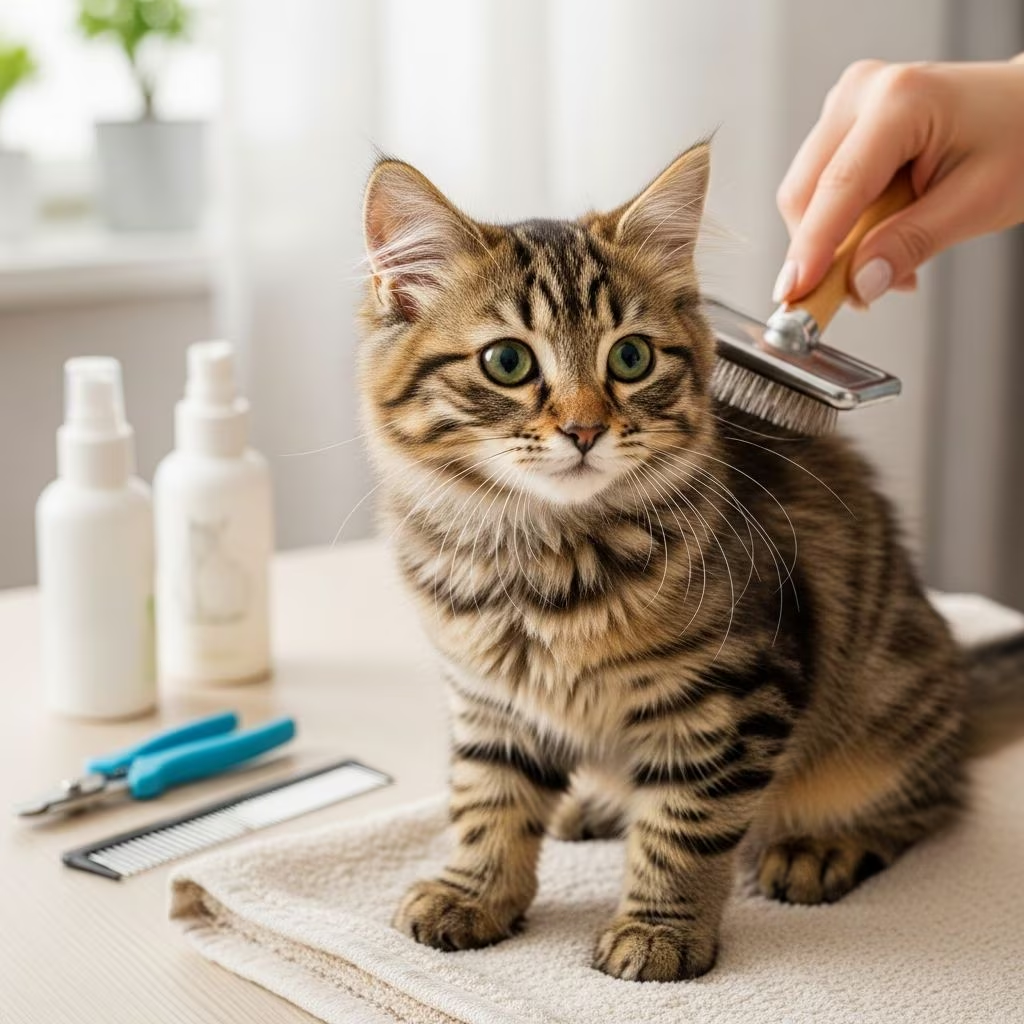
Establishing a grooming routine during your kitten’s early months sets the foundation for a lifetime of healthy skin, a lustrous coat, and positive associations with personal care. Unlike adult cats, young felines are naturally more adaptable to handling and new experiences, making the period between 8 and 16 weeks an ideal time to introduce grooming practices. This comprehensive guide explores the practical steps and techniques needed to keep your kitten clean, comfortable, and free from common coat and skin issues.
Understanding Your Kitten’s Grooming Foundation
Regular grooming serves multiple purposes beyond aesthetics. It removes dead hair and debris that accumulate in your kitten’s coat, preventing the formation of hairballs that can cause digestive distress. Grooming sessions also allow you to inspect your kitten’s skin for early signs of parasites, irritation, or other health concerns. When started early, grooming becomes less stressful for your cat and creates opportunities for meaningful bonding between you and your pet.
The specific grooming approach depends largely on your kitten’s coat type. Short-haired kittens require less intensive maintenance than their long-haired counterparts, but both benefit from consistent attention to vulnerable areas like behind the ears, under the chin, and around the paws, where mats and debris accumulation occur most frequently.
Introducing Your Kitten to Grooming Tools
Before beginning any grooming routine, allow your kitten to become familiar with the tools themselves. Let her play with the brush and comb, sniff them, and investigate without pressure. Start by gently stroking your kitten with your hands to help her relax and build trust. This preliminary phase is crucial for creating positive associations with grooming equipment.
When you’re ready to begin, select a comfortable location where you can sit with your kitten on your lap or at a stable grooming surface. Keep your voice calm and movements deliberate, as cats are sensitive to loud noises and sudden motions. Introducing grooming gradually—starting with short sessions and gradually extending them as your kitten becomes comfortable—prevents overwhelming her and builds tolerance over time.
Coat-Specific Brushing Techniques
Short-Haired Kitten Care
Short-haired kittens benefit from weekly brushing sessions using a soft-bristled brush or grooming glove. Begin by gently massaging the brush against the direction of your kitten’s coat to remove any dead hair, skin flakes, and surface debris. After this initial pass, use a soft brush to ease out any emerging tangles. This technique stimulates natural oils in the skin while maintaining coat health.
Short-haired cats naturally shed less than long-haired breeds and are less susceptible to mats, but consistent weekly maintenance still proves essential for reducing overall shedding and preventing hairballs. Weekly sessions typically take only 5-10 minutes but provide significant health benefits.
Long-Haired and Mid-Length Coat Care
Kittens with longer or denser coats require more frequent brushing—ideally several times per week or even daily. Use a slicker brush or de-shedding tool designed specifically for longer coats. Pay particular attention to problem areas like the armpits, belly, and spaces between the back legs where mats develop most readily.
For breeds with particularly dense coats, such as Norwegian Forest cats or Maine Coons, conditioning sprays designed for cats can help prevent mat formation and make brushing more comfortable. When detangling knots, use a gentle brushing motion rather than combing, as combs can cause discomfort and hair breakage in longer coats. Pluck brushes or those with natural bristles work more effectively than plastic varieties, which can create static electricity and startle your kitten.
The Art of Bathing Your Young Cat
While many kittens groom themselves effectively, bathing becomes necessary when she gets particularly dirty, develops skin conditions, or benefits from therapeutic treatments. Introduce bathing gradually to avoid creating lasting negative associations with water.
Step-by-Step Bathing Process
Begin by wetting your kitten with a sponge rather than running water, praising and reassuring her throughout the process. If she resists strongly, pause and try again several days later. This gradual introduction helps her acclimate at her own pace.
When your kitten is ready for a full bath, prepare lukewarm water that reaches approximately her shoulder height when she stands—shallow enough to prevent overwhelming her. Maintain a calm demeanor as you gently introduce her to the water. Cats perceive sudden movements and loud noises as threats, so speak softly and move deliberately throughout the bathing process.
Once she settles into the water, wet her body carefully while avoiding her eyes and ears. Apply a cat-specific shampoo and massage it gently into her coat, paying special attention to her tail, chest, and leg areas. Rinse thoroughly by pouring water over her back. For her head, use a damp sponge or your wet hand instead of pouring water, protecting her eyes and ears from water and shampoo.
Drying and Post-Bath Care
After bathing, immediately wrap your kitten in a fresh, warm towel. Gently pat her dry, starting with her stomach and progressing to her back, tail, and head. This process should be calming rather than vigorous, as rough handling can upset her after the bathing experience.
If you choose to use a hairdryer, ensure the temperature remains moderate—neither too hot nor too cold—and use a low noise setting to avoid startling your kitten. Never direct heat toward her head; instead, gently massage the head area with a dry towel. Most kittens prefer air-drying combined with towel-drying rather than mechanical drying, so allow extra drying time if your kitten seems stressed by the hairdryer.
Nail Trimming Fundamentals
Regular nail maintenance prevents overgrowth and reduces scratching damage to furniture and skin. Begin by selecting a quiet environment where your kitten feels calm—ideally when she’s already somewhat drowsy. Position her on your lap facing away from you.
Gently massage each paw for a few seconds before attempting to trim. This relaxation helps her tolerate the procedure. Once she’s settled, carefully press the pad of her paw so the nail extends outward. Using guillotine clippers designed for cats, trim only the white, translucent tip of the claw. Avoid cutting the quick—the fleshy pink section at the nail’s base—as this causes pain and bleeding.
Reward your kitten with treats immediately after successfully trimming each nail. This positive reinforcement encourages future cooperation. If you’re uncertain about nail trimming technique or your kitten’s anatomy, consult your veterinarian for guidance or a demonstration. Many vets offer quick nail trims if you prefer professional assistance.
Ear and Eye Maintenance
Regular inspection and cleaning of ears and eyes prevent infections and allow early detection of health issues. Using a damp cloth, gently wipe around your kitten’s eyes to remove any discharge or debris. Do this softly to avoid discomfort, especially around the delicate eye area.
For ear cleaning, inspect the ear canal for redness, discharge, or excessive buildup. If her ears appear dirty, use a damp cloth to gently wipe the visible portions of the ear. Avoid inserting anything into the ear canal itself. If you notice signs of infection, such as foul odor or excessive discharge, contact your veterinarian promptly.
Building Positive Grooming Associations
Creating a positive grooming experience requires patience and strategic use of rewards. Start grooming sessions when your kitten is naturally calm, such as after playtime or meals. Keep initial sessions brief—just a few minutes—and gradually extend duration as she becomes comfortable.
Use treats and verbal praise to reward calm behavior during handling. Offer her favorite toys or calming sprays if she becomes anxious. These distraction techniques help redirect her attention during grooming and build positive associations with the process. Consistency is crucial; regular grooming sessions establish a predictable routine that your kitten learns to expect and tolerate.
Grooming Checklist by Age and Development
| Age Range | Primary Focus | Frequency | Key Goals |
|---|---|---|---|
| 8-12 Weeks | Tool familiarization and gentle handling | 2-3 times weekly | Build comfort and trust with grooming equipment |
| 3-6 Months | Establish regular brushing routine | Weekly (short hair) to several times weekly (long hair) | Prevent mat formation and reduce shedding |
| 6+ Months | Complete grooming routine including bathing and nail care | As established for coat type plus monthly baths if needed | Maintain skin health and establish lifelong habits |
Common Grooming Challenges and Solutions
Resistance to Brushing
Some kittens initially resist brushing or develop anxiety around grooming tools. Address this by shortening sessions, using higher-value treats, and allowing longer breaks between grooming attempts. Never force interaction; instead, work at her pace and celebrate small victories like allowing you to touch her with the brush for just a few seconds.
Mat Formation
Despite regular brushing, mats occasionally develop in longer coats. Address emerging mats promptly using a dematting comb or detangling spray. For severe or tight mats, professional groomers have specialized tools and expertise to address them without causing skin irritation.
Fear of Water
Some kittens develop water aversion after early negative experiences. If your kitten is bath-resistant, minimize water-based grooming and focus on dry brushing and other care methods. Consult your veterinarian if bathing becomes medically necessary, as she can recommend calming strategies.
Nutritional Support for Coat Health
Grooming effectiveness improves when supported by proper nutrition. A balanced diet rich in omega fatty acids, proteins, and essential vitamins promotes healthy skin and coat quality, making grooming easier and more effective. Adequate hydration also supports skin health from within. Discuss your kitten’s nutritional needs with your veterinarian to ensure she receives appropriate nourishment for optimal coat condition.
Frequently Asked Questions
When should I start grooming my kitten?
Begin introducing grooming tools and gentle handling between 8 and 16 weeks of age. Early exposure increases the likelihood that your kitten will tolerate and eventually accept grooming throughout her life.
How often should I bathe my kitten?
Most kittens don’t require frequent bathing if they groom themselves regularly. Bathe only when necessary—such as when she gets dirty, has skin conditions, or receives therapeutic treatments. Long-haired cats may benefit from bathing every 4-6 weeks.
What’s the best brush type for my kitten’s coat?
Use soft-bristled brushes or grooming gloves for short-haired kittens. For long-haired kittens, choose slicker brushes or de-shedding tools. Avoid plastic combs, which can generate static electricity.
Is it normal for kittens to resist grooming?
Yes, resistance is common initially. Introduce grooming gradually, use treats and praise liberally, and keep sessions short. With patience and consistency, most kittens learn to accept and even enjoy grooming.
References
- The Basics of Kitten Grooming — Royal Canin AE. Accessed February 2026. https://www.royalcanin.com/ae/cats/kitten/the-basics-of-kitten-grooming
- Understanding Your Cat’s Grooming Needs: The Complete Guide — Jazz’s Wonderland. Accessed February 2026. https://www.jazzswonderland.com/blog/understanding-your-cats-grooming-needs-a-complete-guide
- Cat Grooming Tips — WHISKAS Canada. Accessed February 2026. https://www.whiskas.ca/en-ca/kitten/care/cat-grooming-tips
- Cat Grooming: A Comprehensive Checklist — PrettyLitter. Accessed February 2026. https://www.prettylitter.com/blog/cat-grooming-a-comprehensive-checklist
- Understanding Cat’s Grooming: A Seattle Cat Owner’s Guide — Seattle Canine Club. Accessed February 2026. https://seattlecanineclub.com/understanding-your-cats-grooming-needs-a-seattle-cat-owners-guide/
- Grooming Kittens: How to Build Trust and Tolerance Early — Roman’s Empire Grooming. Accessed February 2026. https://www.romansempiregrooming.com/introducing-kittens-to-grooming



