
Essential Goat Husbandry and Wellness Guide
Master the fundamentals of goat care, from nutrition and shelter to disease prevention and breeding for a thriving herd.
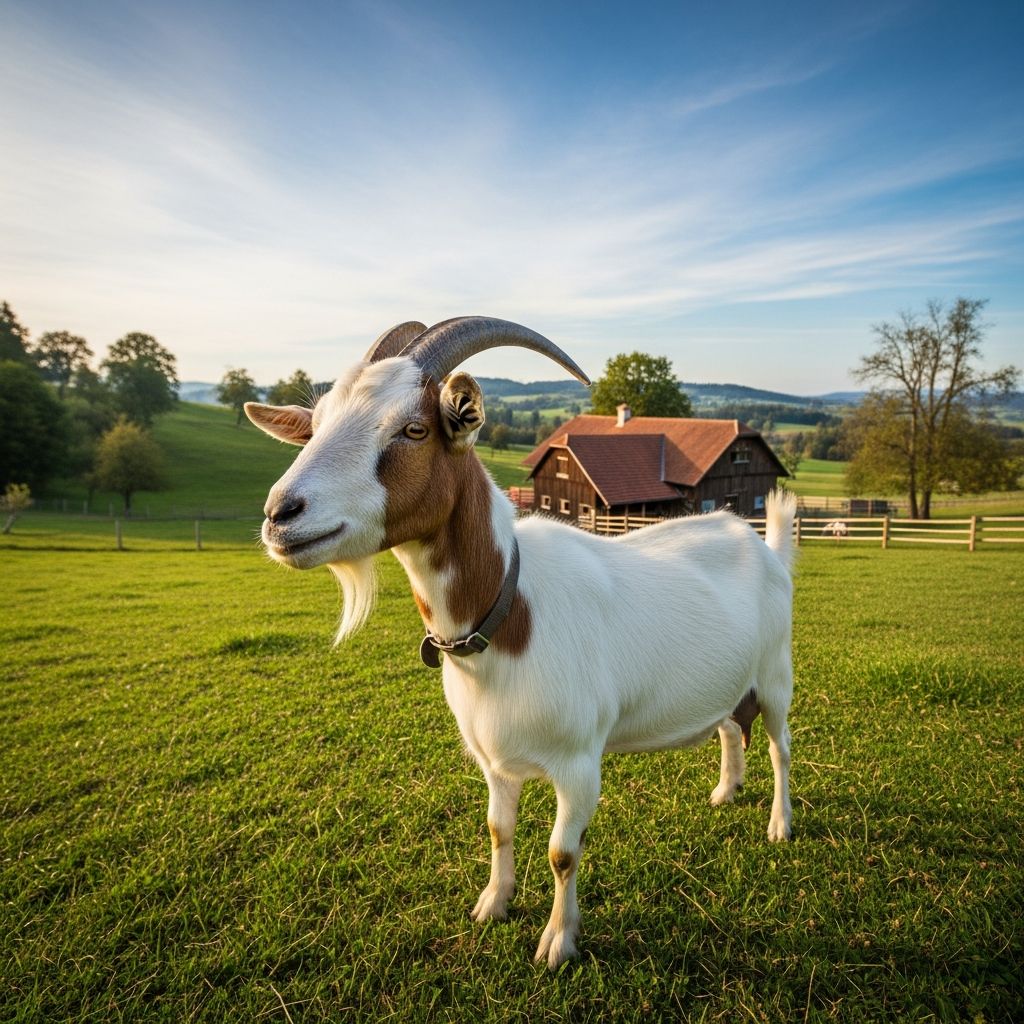
Goat farming demands a holistic approach to ensure animals thrive in various environments. This guide explores key practices for maintaining robust health, productivity, and longevity in goats through targeted nutrition, suitable living conditions, vigilant health monitoring, and strategic breeding management.
Building a Solid Nutritional Framework
Nutrition forms the cornerstone of goat vitality, influencing growth rates, milk output, and resistance to illnesses. Goats require a diet rich in fiber from forages, balanced with concentrates and supplements tailored to their life stage and production goals.
- Forage Basics: Prioritize access to diverse pastures including grasses and legumes for natural grazing. In off-seasons, provide legume-based hay to sustain nutrient intake without digestive upset.
- Concentrate Feeding: Introduce grains sparingly to growing kids, lactating females, or show animals to boost energy without risking obesity or acidosis.
- Mineral Supplementation: Offer free-choice mixes formulated for goats, emphasizing copper, selenium, and zinc to counteract common deficiencies that impair immunity and coat quality.
- Hydration Protocols: Ensure unlimited clean water, heated in cold months to prevent freezing, as dehydration hampers feed efficiency and milk yield.
Adequate feeding prevents issues like poor weight gain or weakened immunity. Regularly assess body condition scores—ideal goats exhibit a smooth transition from ribs to spine without visible protrusions.
Designing Optimal Housing and Enclosures
Shelter protects goats from weather extremes, predators, and stress, directly impacting welfare and disease rates. Effective setups balance space, ventilation, and hygiene.
| Component | Requirements | Benefits |
|---|---|---|
| Shelter Size | 15-20 sq ft per adult | Reduces crowding, aggression, and respiratory risks |
| Bedding | Deep pine shavings or straw | Absorbs moisture, insulates, supports hoof health |
| Ventilation | Open sides with windbreaks | Prevents ammonia buildup and pneumonia |
| Fencing | 4-5 ft woven wire, no-climb | Contains agile goats, deters escapes |
Maintain dryness by removing soiled bedding weekly. Elevated hay racks and feeders minimize waste and contamination, curbing parasite loads.
Routine Health Monitoring and Maintenance
Daily observations catch subtle changes early, allowing timely interventions. Establish protocols for physical exams, vital signs, and record-keeping.
- Visual Checks: Alert posture, bright eyes, glossy coat indicate wellness.
- Hoof Care: Trim every 4-6 weeks to prevent lameness; inspect for cracks or abscesses.
- Vital Signs: Normal temp 101.5-103.5°F, heart rate 70-80 bpm, respiration 12-20 bpm.
Weigh kids biweekly and adults quarterly to track growth. Log observations in a herd journal for trend analysis.
Parasite Control Strategies
Internal and external parasites sap productivity, causing anemia, weight loss, and death in severe cases. Integrated management combines hygiene, monitoring, and targeted treatments.
- FAMACHA Scoring: Eye membrane color assesses worm burdens; score 1-5, treat scores 4-5.
- Fecal Egg Counts: Test quarterly to guide deworming, rotating classes to delay resistance.
- Pasture Rotation: Rest paddocks 30-60 days to break life cycles.
- External Parasites: Dust baths and pour-ons control lice, mites; clean barns reduce fly breeding.
Avoid blanket deworming; focus on high-risk groups like lactating does and young stock.
Vaccination and Preventive Medicine
Vaccines shield against clostridial diseases, tetanus, and enterotoxemia prevalent in goats. Collaborate with veterinarians for region-specific plans.
- Core Vaccines: CD&T (Clostridium perfringens types C/D, tetanus) at 6-8 weeks, boosters annually.
- Optional: Pneumonia (Pasteurella/Mannheimia) in humid climates; rabies where endemic.
- Kids: Maternal antibodies wane by 6 weeks; prime then boost 3 weeks later.
Administer subcutaneously; monitor for reactions. Biosecurity—quarantine new arrivals 30 days—prevents outbreaks.
Reproductive Health and Kidding Preparation
Breeding success hinges on doe condition, buck selection, and kidding support. Aim for fall breeding in temperate zones for spring kids.
- Pre-Breeding: Body condition score 3-3.5/5; flush with energy 2 weeks prior.
- Pregnancy Care: Increase calcium/phosphorus last trimester; group by stage.
- Kidding Kit: Clean towels, iodine, colostrum replacer, obstetrical lube.
- Post-Kidding: Monitor for metritis, mastitis; ensure kids nurse within 2 hours.
Bucks need separate, enriched pens to maintain libido and prevent injuries.
Herd Records and Biosecurity Measures
Digital or paper logs track vaccinations, treatments, and pedigrees, aiding sales and compliance. Biosecurity limits pathogen introduction.
- Footbaths at entry points.
- Limit visitors; provide disposables.
- All-in-all-out for groups.
Annual vet audits refine protocols based on herd performance data.
Seasonal Care Adjustments
Tailor management to climate shifts for year-round resilience.
| Season | Key Actions |
|---|---|
| Spring | Fresh pasture intro, deworm checks, shearing if applicable |
| Summer | Shade, fly control, heat stress monitoring |
| Fall | Breeding prep, pneumonia vaccines, winter feed stockpile |
| Winter | Heated water, extra hay, wind blocks |
FAQs
What is the best diet for dairy goats?
70-80% forage, 20-30% grain during peak lactation, plus goat minerals. Adjust for production levels.
How often should I trim goat hooves?
Every 4-6 weeks, or monthly checks; more frequent on soft ground.
Are goats good for beginners?
Yes, with commitment to daily care, fencing, and vet partnerships.
What vaccines do goats need?
CD&T annually; consult vet for regionals like CL or CAE.
How to prevent coccidiosis in kids?
Clean water/feed, medicated feed, non-contaminated milk.
References
- Year-Round Goat Care: How to Take Care of Goats — Ellinger Boer Goats. 2023. https://ellingerboergoats.com/year-round-goat-care-how-to-take-care-of-goats/
- Goat Care 101: The Ultimate Guide to Shelter, Feeding, and General Health — Hayyy Farms. 2024-12-26. https://hayyyfarms.com/2024/12/26/goat-care-101-the-ultimate-guide-to-shelter-feeding-and-general-health/
- Techniques And Practices Necessary For Responsible Goat Care — Open Sanctuary Project. 2023. https://opensanctuary.org/techniques-and-practices-necessary-for-responsible-goat-care/
- Routine Health Care for Goats — Cornell University CALS. 2023. https://cals.cornell.edu/nys-4-h-animal-science-programs/livestock/goats/goat-fact-sheets/routine-health-care-for-goats
- Goat Care Practices — Washington State University Extension. 2023-05. https://wpcdn.web.wsu.edu/wp-extension/uploads/sites/2056/2023/05/Goat-Care-Practices.pdf
Similar Articles








Read full bio of Sneha Tete


