Undefined Gerbil Wellness Guide: Essential Care Tips
Comprehensive strategies for keeping gerbils thriving through proper nutrition, habitat setup, and vigilant health monitoring.
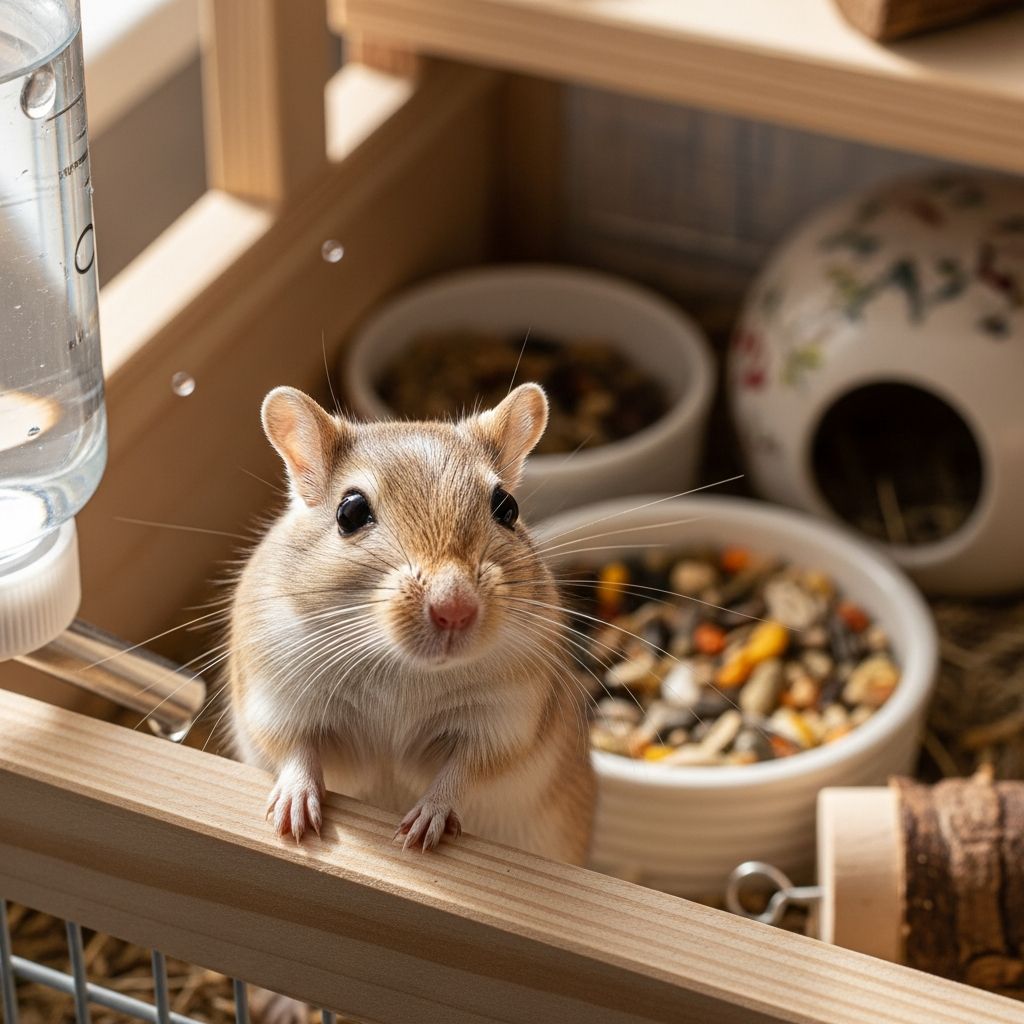
Gerbils make delightful, active companions when provided with attentive daily care. These small rodents thrive in environments that mimic their natural desert habitats, emphasizing deep burrowing substrates, social groupings, and nutrient-rich foods. Proper wellness routines not only extend their lifespan—often 3 to 5 years—but also prevent common issues like dental overgrowth and respiratory problems. This guide draws from veterinary insights to outline foundational practices for optimal gerbil vitality.
Creating the Perfect Living Space
A well-designed habitat is the cornerstone of gerbil wellness. Gerbils are natural diggers, requiring enclosures at minimum 20 gallons per pair, with secure lids to prevent escapes. Opt for glass tanks or deep plastic bins over wire cages, as these allow for extensive tunneling without injury risks.
- Substrate essentials: Use 6-8 inches of safe bedding like aspen shavings or paper-based products. Avoid pine or cedar, which release harmful aromatic oils that irritate respiratory systems.
- Enrichment features: Include nest boxes, cardboard tunnels, exercise wheels (solid surface to prevent tail entanglement), and chew toys made from untreated wood or rope.
- Social dynamics: House gerbils in same-sex pairs or groups from the same litter to reduce aggression. Single gerbils may develop stress-related behaviors.
Position the habitat in a quiet, draft-free area away from direct sunlight, with temperatures maintained between 65-75°F (18-24°C). Daily spot-cleaning removes waste, while full substrate changes occur every 2-4 weeks to curb bacterial growth.
Nutrition for Peak Performance
A balanced diet fuels gerbil energy and supports continuous tooth growth. Base 80-90% of meals on commercial lab blocks or pellets formulated for gerbils, ensuring complete vitamin and mineral profiles without excess seeds that lead to obesity.
| Food Type | Portion Guidelines | Benefits |
|---|---|---|
| Lab Blocks/Pellets | Unlimited access | Balanced nutrients, prevents selective feeding |
| Fresh Veggies (carrots, broccoli) | 1-2 tsp daily per gerbil | Hydration, fiber for digestion |
| Fruits (apple slices, limited) | Occasional, pea-sized | Treat-like variety, watch sugar intake |
| Hay/Alfalfa | Daily handful | Dental wear, gut motility |
| Protein Treats (mealworms) | 1-2 weekly | Energy boost, sparingly to avoid fat gain |
Provide fresh water daily via chew-proof bottles, rinsing thoroughly to eliminate biofilm. Introduce new foods gradually to avoid digestive upset. Gerbils hoard food instinctively, so check cheek pouches weekly for impacted material, which can cause starvation.
Daily Health Monitoring Checklist
Observant owners catch problems early. Perform quick visual and behavioral checks each day, noting deviations from normal patterns.
- Appearance indicators: Glossy fur, clear bright eyes, clean nose and rear end, straight non-elongated teeth, firm body condition.
- Behavior cues: Active exploration especially at dawn/dusk, smooth grooming, social play without fighting.
- Output assessment: Formed dark droppings, no diarrhea or blood; normal urine volume.
Red flags demand immediate vet attention: lethargy, hunched stance, appetite loss, fur ruffling, sneezing, lumps, tail skin loss, or seizures. Weigh gerbils bi-weekly; sudden drops signal malnutrition or illness.
Preventive Grooming and Hygiene Practices
Gerbils self-groom meticulously but benefit from owner-assisted hygiene. Offer weekly dust baths using chinchilla sand in shallow dishes—10-15 minutes prevents oil buildup and supports skin health.
Nail trimming is rarely needed due to substrate abrasion, but overgrown nails snag bedding. Use pet clippers cautiously, avoiding the quick. For dental maintenance, rotate chew items: lava rocks, pumice blocks, and safe branches promote even wear on ever-growing incisors.
Tail care is critical—never grasp here, as the fragile skin detaches easily, leading to infections. Check for ‘tail slip’ rings weekly. Bathing is unnecessary and stressful; spot-clean soiled fur with a damp cloth if needed.
Veterinary Care and Common Conditions
Annual exams by an exotic animal specialist assess weight, teeth, and overall condition. Bring habitat photos, diet samples, and fecal matter for comprehensive evaluation. Budget for emergencies; gerbils face risks like abscesses from fights, tumors, epilepsy, and ovarian cysts in females.
Frequent health threats:
- Dental malocclusion: Misaligned teeth from inadequate chewing cause drooling, weight loss. Solution: Frequent vet trims, diet adjustments.
- Abscesses/Tumors: Pus-filled lumps or growths require surgical drainage or removal.
- Respiratory issues: Wheezing from dusty bedding; improve ventilation.
- Epileptic seizures: Brief episodes often benign but monitor for frequency.
- GI stasis: From poor fiber; increase hay.
Vaccinations aren’t routine, but parasite checks and spaying intact females prevent reproductive cancers.
Safe Handling and Family Integration
Gentle interactions build trust. Scoop from below using cupped hands or transport boxes. Supervise children closely; wash hands post-handling to block zoonotics like Salmonella, though rare.
Introduce to other pets gradually via scent swapping, but most cats/dogs pose predation risks—secure enclosures always.
Frequently Asked Questions
Can gerbils live alone?
No, they are highly social. Solitary housing leads to depression; pair with compatible littermates.
How often should I clean the cage?
Spot clean daily, full refresh bi-weekly to monthly based on odor and soiling.
What if my gerbil loses fur?
Possible mites, allergies, or stress. Consult vet; improve diet and reduce overcrowding.
Do gerbils need exercise wheels?
Yes, solid wheels prevent tail injury and fulfill running instincts.
Are seeds safe for gerbils?
Limited; they encourage obesity. Stick to pellets as staple.
Long-Term Wellness Strategies
Beyond basics, track lineage for genetic predispositions like epilepsy. Rotate toys monthly to sustain mental stimulation, reducing stereotypic bar-biting. Seasonal adjustments: more veggies in dry months for hydration. Elderly gerbils (>2 years) need softer foods, extra warmth, and arthritis aids like ramps.
Community resources like exotic vet directories enhance care. Consistent routines yield resilient gerbils, rewarding owners with years of spirited companionship.
References
- Gerbil Care Guide — Little Critter Crew. Accessed 2026. https://littlecrittercrew.org/gerbil-care-guide/
- Gerbil Care Guide: Habitat, Diet, and Daily Care — PetMD. Accessed 2026. https://www.petmd.com/exotic/gerbil-care-sheet
- Routine Health Care of Gerbils — Merck Veterinary Manual. Accessed 2026. https://www.merckvetmanual.com/all-other-pets/gerbils/routine-health-care-of-gerbils
- Caring for Your Gerbil — Pet Advocacy Network. 2022-01. https://petadvocacy.org/wp-content/uploads/2022/01/Gerbil-Care-Sheet.pdf
- Caring for your Hamster or Gerbil — Oxbow Animal Health. 2024-03. https://oxbowanimalhealth.com/wp-content/uploads/2024/03/Hamster-Gerbil-Care-Guide-Feb-2024.pdf
Similar Articles








Read full bio of medha deb