Essential Gear for Everyday Dog Training
Discover the must-have tools that make daily dog training effective, fun, and stress-free for owners and pups alike.
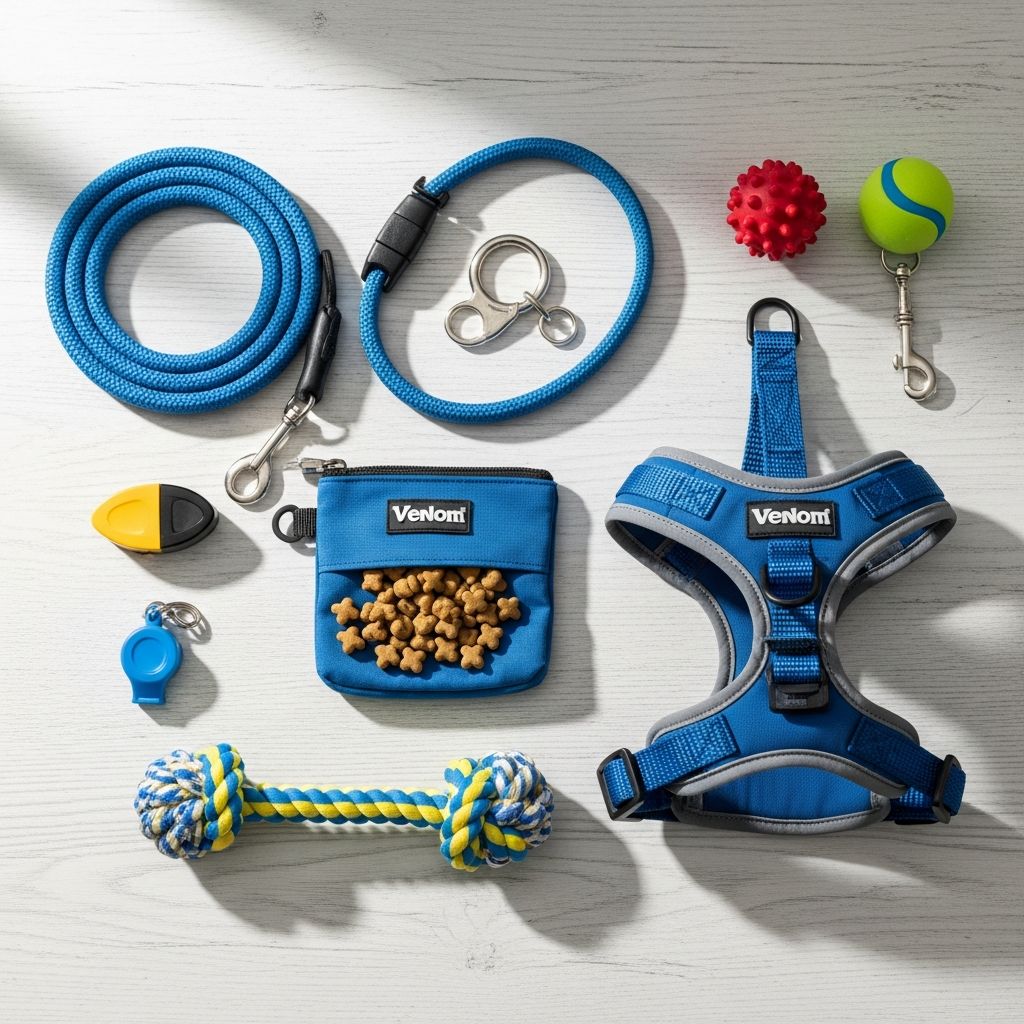
Training your dog doesn’t require a fancy setup or expensive gadgets. With the right basic tools, you can reinforce good habits, correct unwanted behaviors, and build a stronger bond every day. This guide covers indispensable items that support positive reinforcement methods, ensuring sessions are productive and enjoyable for both you and your canine companion.
Building a Strong Foundation with Control Tools
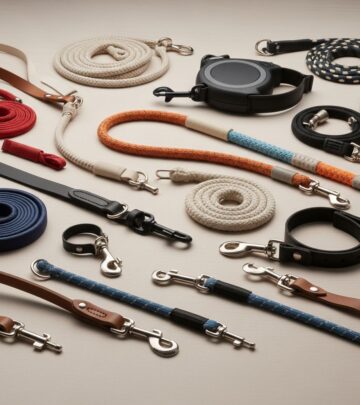
The cornerstone of any training routine starts with reliable ways to guide your dog’s movements safely. Standard leashes, typically 4 to 6 feet long, provide just enough slack for your dog to move comfortably while staying under control during walks or basic commands like sit and stay. Opt for durable materials like nylon or leather that withstand pulling from energetic pups.
Collars and harnesses complement leashes by distributing pressure evenly. Flat collars work well for small breeds with minimal pulling, but harnesses are superior for larger dogs or those prone to tracheal issues, as they secure around the chest rather than the neck. For hands-free options, waist-clip leashes allow freedom of movement, ideal for joggers or multi-tasking owners training recall in open spaces.
- Standard Leash: 4-6 ft for close control and heeling practice.
- Long Line: 15-50 ft for safe distance work on recall and freedom training.
- Hands-Free Leash: Clips to waist for active sessions without tangles.
These tools prevent escapes and build confidence in loose-leash walking, a skill that reduces frustration on daily outings.
Precision Marking with Clickers and Whistles
Positive reinforcement thrives on timing. Clickers deliver a distinct “click” sound to mark the exact moment your dog performs a desired action, bridging the gap between behavior and reward. This Pavlovian tool conditions dogs to associate the sound with treats, speeding up learning for commands like down or come.
Modern variations include app-connected smart clickers that log sessions and progress, perfect for tracking improvements over weeks. For multi-dog households, clickers with unique tones prevent confusion. Whistles serve similarly for distance training, their high-pitched peal cutting through distractions in parks or fields.
| Tool | Best For | Key Benefit |
|---|---|---|
| Basic Clicker | Indoor basics like sit/stay | Precise, inexpensive marking |
| Smart Clicker | Progress tracking | App integration for data |
| Whistle | Outdoor recall | Long-range audibility |
Incorporate these daily: Click for good behavior, follow with a treat, and watch commands solidify faster than verbal praise alone.
Treat Delivery Systems for Seamless Rewards
Rewards fuel motivation, but fumbling pockets disrupts flow. Treat pouches or bait bags attach to belts or leashes, holding small, soft treats for quick dispensing. Look for magnetic closures or drawstrings to avoid spills during energetic drills.
Adjustable sizes accommodate various session lengths—from quick 5-minute recalls to hour-long obedience practice. For variety, include high-value treats like freeze-dried liver for tough tasks and lower-calorie options for maintenance. These systems keep hands free, maintaining focus on your dog rather than digging for goodies.
Guidance Aids: Target Sticks and Barriers
Target sticks, slim rods with a ball or pad at the end, direct dogs to specific positions without physical touch. Wave it to lure spins, heel positions, or platform sits, fading it out as behaviors stick. Portable and collapsible, they’re great for apartment dwellers.
Barriers like gates, pens, or crates manage space during housebreaking or impulse control exercises. They create safe zones for alone-time training, preventing chewing mishaps while you reinforce “place” commands. Choose lightweight, foldable models for easy storage in small homes.
Elevating Skills with Play and Agility Gear
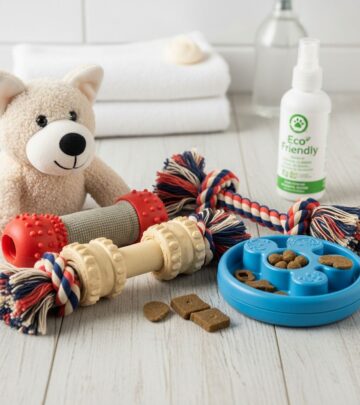
Engagement prevents boredom. Long lines extend recall practice safely, allowing dogs to explore while practicing returns. Fetch toys like balls or discs teach impulse control and endurance, turning exercise into training.
Portable agility sets—foldable jumps, tunnels, and weave poles—build coordination for high-drive breeds. Set up in backyards for daily drills that sharpen focus and athleticism. Ramps aid car entry for seniors or short-legged dogs, reducing injury risk during routines.
- Foldable hurdles: Adjustable heights for all sizes.
- Collapse tunnels: Fun weaving practice.
- Weave poles: Precision footwork.
Choosing Quality Over Quantity
Invest in gear matching your dog’s size, strength, and temperament. Puppies need lightweight collars; pullers require no-pull harnesses. Durability matters—reinforced stitching endures daily use. Start simple: Leash, clicker, pouch cover 80% of needs.
Test for fit: Collars should allow two fingers underneath; leashes shouldn’t fray. Washable materials simplify maintenance after muddy sessions.
Daily Routines with Your Toolkit
Integrate tools into life: Morning walks with leash/heeling; mealtimes for targeting; evenings for play-based recall. Consistency across 5-10 minute sessions yields results in weeks. Track wins in a journal or app to stay motivated.
For challenges like reactivity, combine vibration collars (gentle alerts) with long lines. Always pair tools with patience—force-free methods build trust.
Frequently Asked Questions
What are the absolute basics for a new dog owner?
A 6-ft leash, flat collar or harness, clicker, and treat pouch get you started on walks, sits, and stays.
Are electronic collars safe for daily use?
Vibration or tone collars can be, under professional guidance, but prioritize positive tools first.
How do I transition from treats to verbal praise?
Fade treats gradually: Reward intermittently after mastering a skill, using clicker to bridge.
What’s best for training multiple dogs?
Differentiated clicker tones and color-coded leashes/pouches prevent mix-ups.
Can agility tools help with basic obedience?
Yes, they boost focus and energy burn, reinforcing commands through fun.
Advanced Tips for Long-Term Success
Layer tools: Use barriers for settling, then target for movement. Incorporate toys for duration stays. Rotate gear to keep interest high. Professional trainers emphasize multi-tool kits for versatility.
Safety first: Inspect for wear, supervise always. Tailor to breed—herders love agility; hounds prefer scent games with long lines.
References
- Dog Training Equipment – Best Gear for Professionals — EzyDog. 2024. https://store.ezydog.com/collections/dog-training-products
- 5 Tools Every Dog Trainer Needs in 2024 — Gingr. 2024. https://www.gingrapp.com/blog/5-tools-every-dog-trainer-needs-in-2024
- Top 12 Dog Training Tools Every Owner Should Have — K9 Connoisseur. 2024. https://k9connoisseur.com/blogs/news/dog-training-tools
- What Equipment Does a Dog Trainer Need? — Pet Care Insurance. 2024. https://www.petcareins.com/blog/what-equipment-does-a-dog-trainer-need
- Dog Trainer Gear | Equipment For Dog Trainers — J&J Dog Supplies. 2024. https://www.jjdog.com/trainer-gear/
Similar Articles


Read full bio of Sneha Tete