
Essential Food Safety Principles for Home Kitchens
Master the fundamentals of safe food handling to protect your family from foodborne illness.
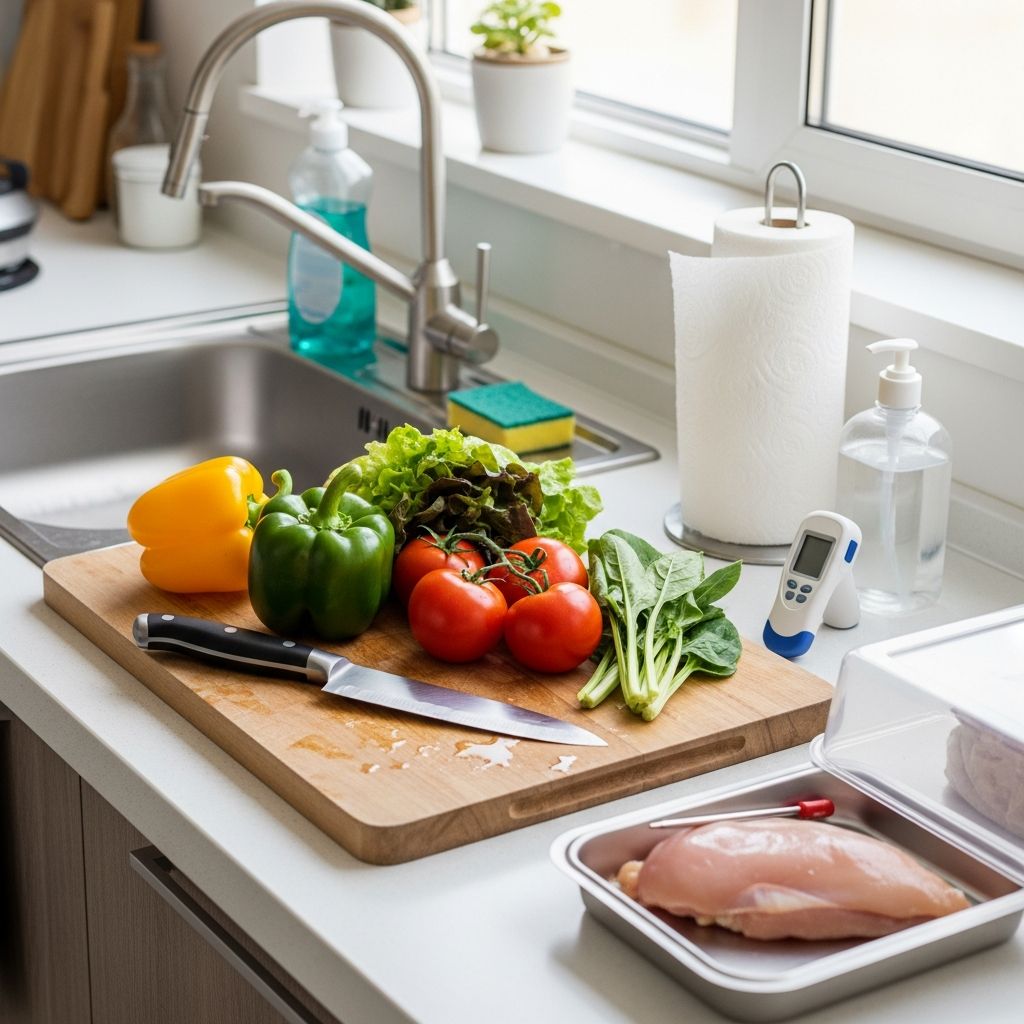
Foodborne illnesses affect millions of people annually, yet many cases are entirely preventable through proper food handling and preparation techniques. Whether you’re a novice cook or an experienced home chef, understanding and implementing fundamental food safety practices is crucial for protecting your family’s health. This guide explores the critical principles that should guide every meal preparation, from initial purchase to final consumption.
Why Food Safety Matters in Your Home
Harmful microorganisms, including bacteria, viruses, and parasites, can contaminate food at any point during production, transportation, storage, or preparation. These pathogens are often invisible, odorless, and tasteless, making them impossible to detect without proper food safety knowledge. The consequences of foodborne illness range from mild gastrointestinal discomfort to severe complications requiring hospitalization, particularly for vulnerable populations such as young children, elderly individuals, and those with compromised immune systems.
The good news is that implementing straightforward food safety practices significantly reduces the risk of contamination. By establishing habits around cleanliness, proper storage, appropriate cooking temperatures, and timely refrigeration, you create multiple barriers against harmful microorganisms. These practices are not complicated or time-consuming; rather, they represent simple modifications to your existing kitchen routine that yield substantial health benefits.
Foundation One: Maintaining Hygiene and Cleanliness
The first line of defense against foodborne illness involves rigorous attention to cleanliness throughout your kitchen environment. Bacteria and other pathogens can transfer from hands, surfaces, and utensils to food, making comprehensive cleaning essential. This principle extends beyond occasionally wiping down counters; it requires a systematic approach to personal hygiene and equipment sanitation.
Hand Washing Fundamentals
Your hands are primary vehicles for bacterial transmission. Microorganisms picked up throughout daily activities—at work, school, or public facilities—can easily contaminate food if hands are not properly cleaned before preparation. The proper hand washing technique involves several critical steps:
- Use warm running water to wet your hands completely
- Apply soap and create a lather across all surfaces
- Scrub for at least 20 seconds, paying special attention to areas between fingers, under nails, and wrist areas
- Rinse thoroughly under running water until all soap residue disappears
- Dry with a clean towel or air drying method
Hand washing must occur at specific times: before beginning food preparation, between handling different food items, after using the bathroom, after changing diapers, and after handling pets. These moments represent critical junctures where pathogen transmission becomes likely without proper intervention.
Surface and Equipment Sanitation
Kitchen surfaces, utensils, and equipment require consistent cleaning to prevent bacterial accumulation. After preparing each food item, thoroughly wash cutting boards, knives, countertops, and dishes with hot soapy water. This practice prevents residual bacteria from one ingredient from contaminating the next. Many home cooks underestimate the importance of this step, particularly when preparing multiple dishes in succession.
Cutting boards deserve particular attention, as they frequently contact raw proteins and vegetables. Designate separate cutting boards for different food categories: one exclusively for fresh produce and another specifically for raw meat, poultry, and seafood. This segregation prevents bacteria naturally present on raw proteins from transferring to foods that will be consumed raw.
Foundation Two: Preventing Cross-Contamination
Cross-contamination occurs when harmful bacteria transfer from one food item to another, either directly or through contaminated surfaces and equipment. Raw meat, poultry, seafood, and eggs carry naturally occurring bacteria that can cause serious illness if consumed. Preventing their spread throughout the kitchen environment is fundamental to food safety.
Strategic Storage and Shopping Practices
Cross-contamination begins at the grocery store. When selecting items, keep raw proteins physically separated from other foods in your shopping cart. Use separate bags if possible, ensuring that meat juices cannot drip onto produce, dairy, or ready-to-eat items. This separation continues at home when organizing your refrigerator.
Store raw meat, poultry, eggs, and seafood on lower shelves where they cannot drip onto foods below. Maintain this separation even when storing items side-by-side; use sealed containers for raw proteins to prevent any contact or liquid transfer. Ready-to-eat foods, fresh produce, and dairy products should occupy upper and middle shelves where they remain protected.
Equipment and Preparation Area Management
Never place cooked food on a plate that previously held raw meat, poultry, or seafood unless thoroughly washed with hot soapy water first. This simple rule prevents bacteria from raw proteins from contaminating finished dishes. Similarly, avoid reusing marinades that contacted raw foods unless brought to a rolling boil, a process that destroys pathogens.
When preparing raw ingredients and ready-to-eat items simultaneously, use separate countertop areas and equipment whenever possible. If space is limited, prepare raw proteins first, then thoroughly clean the entire workspace before preparing vegetables or other items that will be consumed without cooking.
Foundation Three: Achieving Safe Internal Temperatures
Cooking to appropriate internal temperatures represents the most reliable method for eliminating harmful bacteria. Visual cues—color, juiciness, and texture—provide no reliable indication of food safety. A meat product can appear fully cooked externally while harboring dangerous bacteria at its center. Food thermometers are essential tools that guarantee adequate cooking throughout.
Temperature Guidelines by Food Category
Different foods require different minimum internal temperatures to ensure pathogen destruction:
| Food Category | Minimum Internal Temperature | Measurement Location |
|---|---|---|
| Ground Meats (beef, pork, lamb) | 160°F | Thickest part, not touching bone |
| Whole Cuts (beef, pork, lamb steaks and roasts) | 145°F with 3-minute rest | Thickest part, not touching bone |
| All Poultry (whole, parts, ground) | 165°F | Innermost part of thigh and wing, thickest part of breast |
| Fish and Seafood | 145°F | Thickest part |
| Eggs (when cooking) | 160°F | Until yolk and white are firm |
| Leftovers and Casseroles | 165°F | Throughout the product |
Microwave Cooking Considerations
Microwave ovens present unique challenges because heat distribution is often uneven, potentially creating cold spots where bacteria survive. To ensure thorough cooking in a microwave, cover foods to trap steam, stir periodically to distribute heat, and rotate the dish multiple times during cooking. If your microwave lacks a rotating turntable, manually rotate the dish every few minutes. Allow foods to rest after cooking, as heat continues distributing during this standing period, further reducing bacterial survival risk.
Reheating Protocols
Leftover foods require careful reheating to destroy any bacteria that may have developed during storage. Heat all leftovers to 165°F throughout. Sauces, soups, and gravies should reach a rolling boil before consumption. This additional heating step eliminates pathogens that multiplied during refrigeration, making previously cooked foods safe to eat again.
Foundation Four: Refrigeration and Cold Storage
Temperature control represents one of the most effective mechanisms for preventing bacterial growth. Bacteria multiply most rapidly between 40°F and 140°F, a range known as the Temperature Danger Zone. By maintaining cold temperatures consistently, you significantly slow bacterial reproduction, extending food safety and shelf life.
Refrigerator Temperature Management
Maintain your refrigerator at 40°F or below, and your freezer at 0°F or below. Use an appliance thermometer to verify these temperatures regularly, as appliance dials can become inaccurate over time. Avoid overstuffing your refrigerator, as cold air must circulate freely to maintain consistent temperatures throughout. This circulation prevents warm zones where bacteria could proliferate.
Prompt Refrigeration Requirements
Perishable foods should never remain at room temperature for more than two hours. When ambient temperature exceeds 90°F—such as during outdoor events or summer gatherings—reduce this window to just one hour. Meat, poultry, eggs, seafood, cooked foods, and cut fresh fruits or vegetables all require immediate refrigeration after preparation or purchase.
This timing applies regardless of whether food appears fresh or smells normal. Harmful bacteria multiply exponentially during prolonged room-temperature exposure, often without producing any noticeable changes in appearance or odor. By refrigerating promptly, you arrest bacterial growth and maintain food safety.
Thawing Frozen Foods Safely
Never thaw frozen foods at room temperature, as bacteria on the surface multiply rapidly while the interior remains frozen. Instead, thaw in the refrigerator—a slow process requiring advance planning—under cold running water, or in the microwave using the defrost setting. If you use the microwave or cold water method, cook the food immediately after thawing.
Creating Your Home Food Safety System
Implementing these four foundations does not require special equipment or extensive knowledge. Rather, it involves establishing consistent habits that become automatic parts of your kitchen routine. Consider posting reminders in your kitchen, such as a checklist near your stove showing minimum cooking temperatures or a note by your sink listing critical hand-washing times.
Train other household members, particularly children, about proper food handling. Make food safety a shared responsibility rather than an individual burden. When everyone understands why these practices matter, compliance becomes easier, and the entire household benefits from reduced foodborne illness risk.
Frequently Asked Questions About Home Food Safety
How long can I safely leave food out before refrigerating?
Perishable foods should not remain at room temperature longer than two hours. When the temperature is 90°F or above, reduce this window to one hour. After this time window passes, bacteria have multiplied to potentially dangerous levels.
Can I reuse marinades from raw meat?
Only if you bring the marinade to a rolling boil first, which kills any bacteria present. However, boiling may affect the marinade’s flavor and texture. Using separate marinades for raw and cooked foods is a simpler approach.
Is color a reliable indicator that meat is fully cooked?
No. Color and texture provide unreliable safety indicators. A hamburger can be brown throughout but still contain harmful bacteria at its center. Use a food thermometer to verify that ground beef reaches 160°F internally.
What’s the best way to thaw frozen chicken?
Thaw in the refrigerator overnight, under cold running water, or in the microwave on the defrost setting. Never use room temperature, as bacteria multiply rapidly on the surface while the interior remains frozen. Cook immediately after thawing.
Should I wash raw chicken before cooking?
The FDA does not recommend washing raw poultry, as splashing spreads bacteria throughout your sink and surrounding surfaces. Cooking to 165°F internally eliminates pathogens, making washing unnecessary and potentially counterproductive.
References
- The Core Four Practices of Food Safety — Fight BAC!, FightBAC.org. Accessed 2026-02-24. https://fightbac.org/food-safety-basics/the-core-four-practices/
- Food Safety 101: Four Essential Practices for Safe Food at Home — Utah State University Extension. Accessed 2026-02-24. https://extension.usu.edu/nutrition/research/food-safety-101
- Safe Food Handling Practices: A Complete Guide — SafetyCulture. Accessed 2026-02-24. https://safetyculture.com/topics/food-handling
- Safe Food Handling — U.S. Food and Drug Administration (FDA). Accessed 2026-02-24. https://www.fda.gov/food/buy-store-serve-safe-food/safe-food-handling
- 4 Steps to Food Safety — FoodSafety.gov, U.S. Department of Agriculture. Accessed 2026-02-24. https://www.foodsafety.gov/keep-food-safe/4-steps-to-food-safety
- Food Safety — Centers for Disease Control and Prevention (CDC). Accessed 2026-02-24. https://www.cdc.gov/food-safety/index.html
Similar Articles








Read full bio of Sneha Tete


