
Essential Fish Care Guide: Complete Tank Checklist
Master the fundamentals of fish health with expert tips on water quality, feeding, maintenance, and disease prevention for thriving aquatic pets.
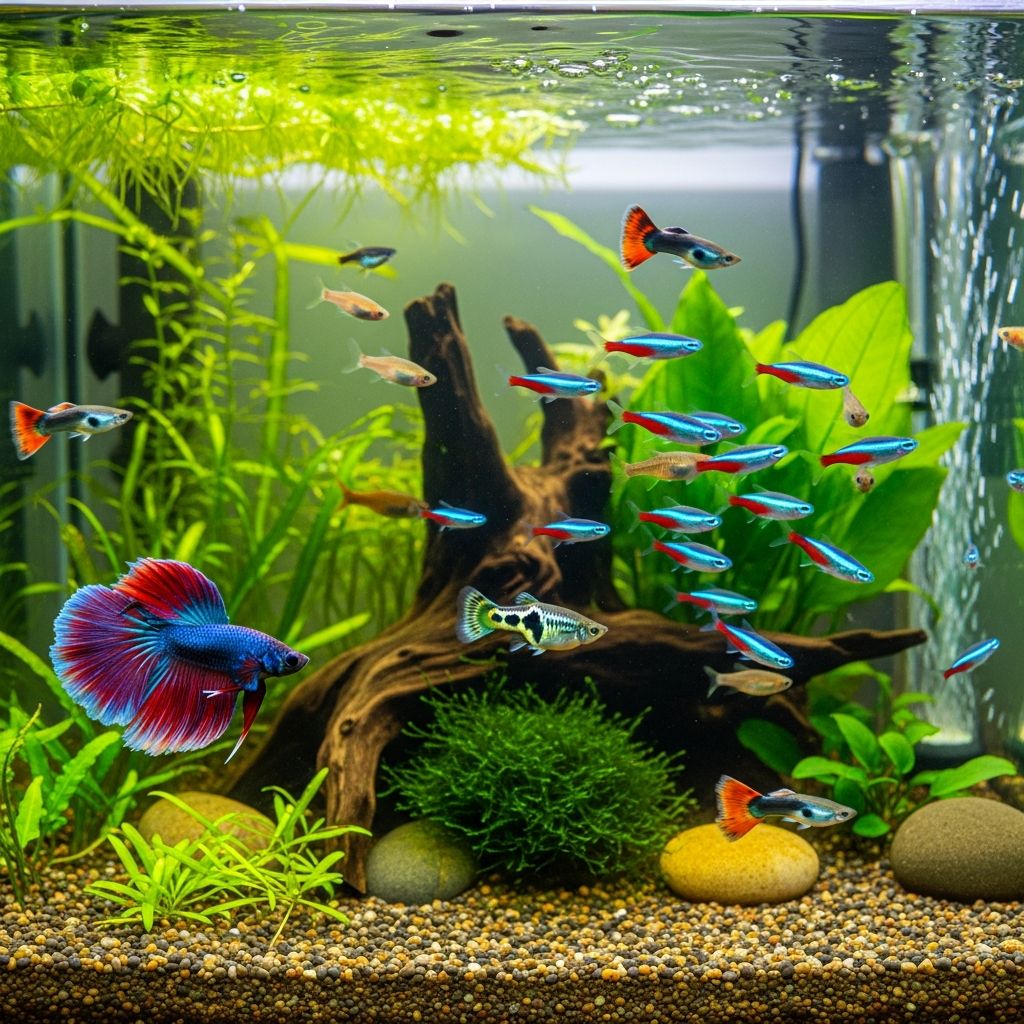
Keeping pet fish healthy requires a proactive approach centered on environmental stability, balanced feeding, and consistent upkeep. This guide outlines key practices to support vibrant aquatic life in home aquariums.
Foundations of a Thriving Aquarium Environment
The cornerstone of fish wellness lies in replicating their natural habitat through meticulous water parameter control. Fish respire through gills, making them highly sensitive to dissolved toxins and imbalances that humans might overlook.
- Ammonia and Nitrite Monitoring: These compounds from fish waste are lethal even at low levels. Use liquid test kits weekly to detect spikes early.
- Nitrate Control: Keep below 20-40 ppm via partial water replacements, as accumulation stresses immune systems.
- pH Stability: Match species needs—acidic for tetras (6.0-7.0), alkaline for African cichlids (7.5-8.5)—and avoid swings greater than 0.3 units daily.
Aquarium cycling establishes beneficial bacteria that convert ammonia to nitrite, then nitrate. New setups need 4-6 weeks before stocking; test persistently until readings stabilize at zero ammonia and nitrite.
Optimal Nutrition Strategies for Fish
Diet directly influences growth, coloration, and disease resistance. Overfeeding pollutes water, while underfeeding weakens fish.
| Fish Type | Primary Diet | Feeding Frequency | Supplements |
|---|---|---|---|
| Herbivores (e.g., plecos) | Algae wafers, blanched veggies | 2x daily, small amounts | Spirulina flakes |
| Carnivores (e.g., bettas) | Live/frozen brine shrimp, pellets | 1-2x daily | Vitamin soaks |
| Omnivores (e.g., guppies) | Flakes, varied proteins | 2x daily | Occasional fruits |
Feed only what fish consume in 2-3 minutes. Vary offerings weekly with thawed bloodworms or daphnia for enrichment. Store flakes in cool, dry spots and discard after 2 months for freshness.
Comprehensive Tank Maintenance Schedule
Regular interventions prevent waste buildup and oxygen depletion. Tailor frequency to tank size, stocking, and filtration strength.
- Daily: Remove visible debris, check equipment function, observe fish behavior for anomalies like flashing or lethargy.
- Weekly: 25-50% water change with dechlorinated, temperature-matched water; gravel vacuum to siphon solids.
- Bi-weekly: Scrape algae, rinse decorations in tank water to preserve bacteria.
- Monthly: Clean filter media gently in tank water; replace cartridges if clogged.
- Quarterly: Deep clean glass, inspect substrate for anaerobic pockets.
Filtration types—hang-on-back, canister, sponge— all demand upkeep. Overcleaning kills nitrifying bacteria, risking crashes; always use old water for rinsing.
Quarantine and Acclimation Protocols
New arrivals carry unseen pathogens. A 2-4 week quarantine in a bare 10-20 gallon tank mirrors main parameters minus decor.
- Drip acclimate over 1-2 hours to equalize osmoregulation stress.
- Monitor for symptoms; treat isolated issues without contaminating display.
- Gradually integrate post-quarantine if healthy.
Avoid mixing aggressive or incompatible species to minimize injury-induced infections.
Recognizing and Addressing Common Health Issues
Early detection via daily watches beats reactive cures. Stress from poor parameters amplifies vulnerabilities.
Parasitic Infestations
Ichthyophthirius (Ich) manifests as salt-like cysts, causing scratching and gill flaring. Triggered by temperature drops or ammonia. Raise heat to 82-86°F and medicate with malachite green or copper-based solutions in hospital tanks.
Velvet appears as golden dust with clamped fins and respiration issues. Similar prevention: stable conditions; treat analogously to Ich.
Bacterial and Fungal Conditions
Fin rot erodes margins with fraying, often from overcrowding or filth. Antibiotics like kanamycin restore after water polishing.
Columnaris mimics fungus with mouth fuzz and ulcers. Anti-fungals or antibiotics target it; prioritize pristine water.
Other Disorders
Dropsy swells bodies with pineconed scales from organ failure. Isolate, offer Epsom salts (1 tbsp/5 gal), but prognosis is guarded.
Ulcers from Aeromonas benefit from topical ointments or immersion baths in large systems.
Advanced Wellness Measures
Beyond basics, enhance resilience. Salt baths (0.3% for freshwater species) therapeutically for parasites or stress. Medicated feeds tackle internal parasites.
Vaccines suit commercial farms for bacterial ulcers in koi/goldfish via bath or injection, but unnecessary for hobbyists.
Annual vet checkups by aquatic specialists detect subclinical issues via gill biopsies or skin scrapes.
Frequently Asked Questions
How often should I change aquarium water?
Weekly 25-50% changes suffice for most setups; increase for heavy bioloads like goldfish.
What causes most fish deaths?
Water quality lapses, primarily ammonia/nitrite toxicity from uncycled tanks or neglect.
Can I use table salt in freshwater tanks?
Non-iodized aquarium salt at low doses (1 tsp/5 gal) aids osmoregulation therapeutically, not routinely.
Do fish need lights on 24/7?
8-12 hours mimics day/night; constant light stresses and promotes algae.
Is overfeeding harmful?
Yes, uneaten food decays, spiking ammonia and causing obesity-related swim issues.
Long-Term Success Tips
Stock gradually: 1 inch fish per gallon rule, accounting adult sizes. Research compatibilities via forums or vets. Log parameters in a journal for trends. Invest in quality test kits and auto-top-off for evaporation.
For planted tanks, select low-light species like java fern to avoid nutrient competition stressing fish.
References
- Dealing with Common Fish Health Problems: Prevention and Managing Stressors — Aquarium Adventure Columbus. 2023. https://www.aquariumadventurecolumbus.com/blog/dealing-with-common-fish-health-problems-prevention-and-managing-stressors
- Routine Health Care of Fish — MSD Veterinary Manual, Ruth Francis-Floyd, DVM, DACZM. 2024-01-15. https://www.msdvetmanual.com/all-other-pets/fish/routine-health-care-of-fish
- Tropical Freshwater Fish Care Guide — Bird Exotic Vet. 2023. https://www.birdexoticsvet.com/tropical-freshwater-fish
- How to Take Care of Fish — PetMD. 2024. https://www.petmd.com/fish/care/evr_fi_how-to-care-of-fish
Similar Articles








Read full bio of medha deb


