

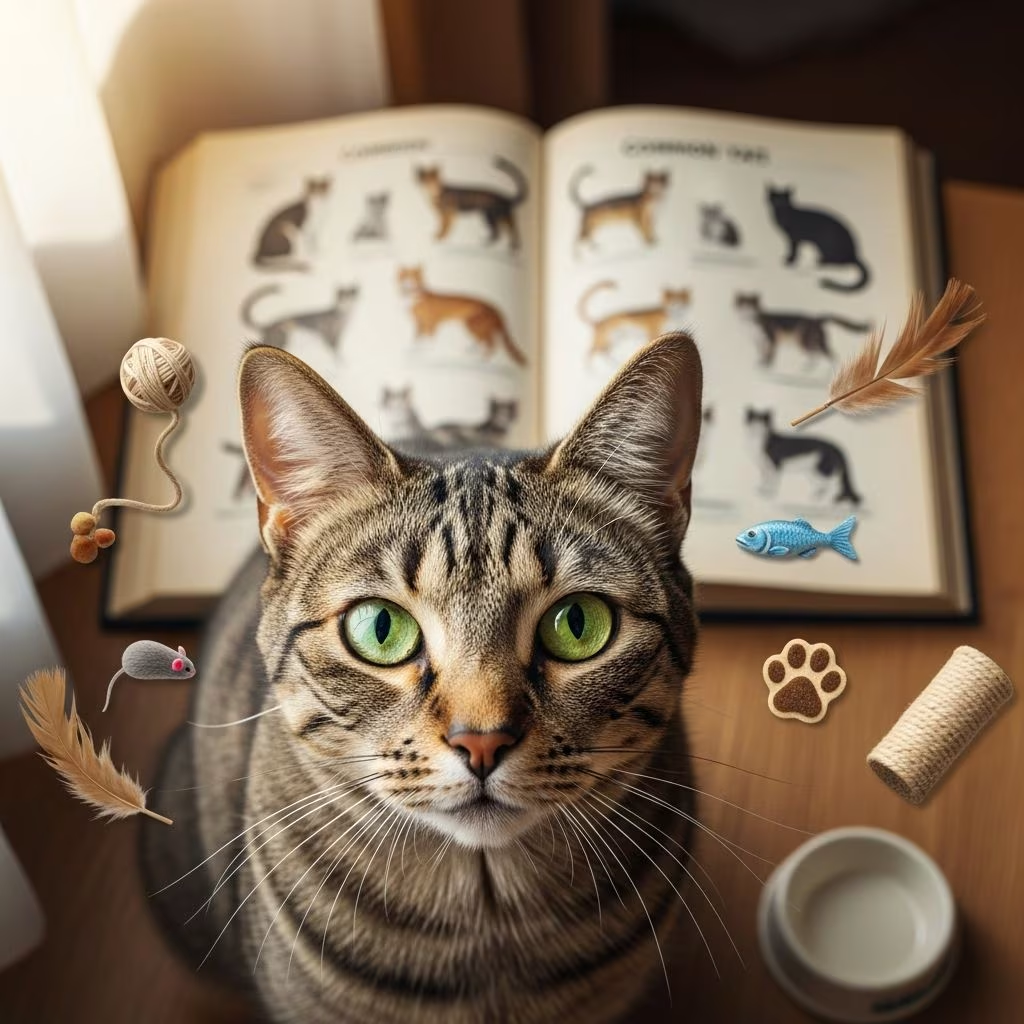
Understanding the specialized language of cat ownership empowers you to communicate effectively with veterinarians, breeders, and fellow enthusiasts. This guide explores critical terms related to cat appearance, physiology, conduct, wellness, and dietary needs, helping you navigate the world of felines with confidence.
Decoding Cat Coat Patterns and Colors
Cats display a stunning array of fur designs, each with distinct nomenclature that reflects genetics and breed standards. Recognizing these patterns aids in identifying breeds and appreciating genetic diversity.
- Brindle: A striking striped motif resembling tiger markings, featuring irregular, varying-width bands over any base hue. Common in mixed breeds and certain pedigrees, it overlays tabby or calico foundations for a bold effect.
- Tabby: The most prevalent pattern, characterized by bold stripes, swirls, or spots on a lighter ground, often with an ‘M’ on the forehead. Variants include classic, mackerel, spotted, and ticked.
- Calico: A tri-color blend of white with black and orange patches, linked to female-specific genetics due to X-chromosome inactivation. Dilute versions feature softer blue and cream tones.
- Tortoiseshell: A marbled mix of black and orange without predominant white, almost exclusively in females, known for spirited personalities in folklore.
- Points: Darker extremities (ears, face, paws, tail) contrasting a lighter body, as seen in Siamese and related breeds, intensified by temperature-sensitive pigmentation.
Cat Anatomy Essentials
Familiarity with feline body parts ensures precise descriptions during health checks. Cats possess unique skeletal and soft tissue features adapted for agility and predation.
| Term | Description | Function |
|---|---|---|
| Nictitating Membrane | Third eyelid, a translucent shield in the inner eye corner. | Protects and lubricates the eye during hunting or sleep. |
| Nose Leather | Furless skin around nostrils, often pigmented uniquely. | Sensory organ for scent detection; individual like fingerprints. |
| Whisker Pad | Fleshy mound housing vibrissae (whiskers). | Environmental sensors for navigation in low light. |
| Carpal Pads | Small pads on front wrists. | Prevent slipping during leaps; nicknamed ‘anti-skid’ pads. |
| Muzzle Break | Indentation between muzzle and cheeks. | Breed-specific trait affecting head shape aesthetics. |
These structures highlight cats’ evolutionary refinements for survival.
Behavioral Signals and Communication
Cats convey emotions through posture, vocals, and scents. Decoding these prevents mishaps and strengthens bonds.
- Flehmen Reaction: Curling upper lip to savor scents via vomeronasal organ, often after sniffing urine or pheromones.
- Stropping: Rubbing cheeks or flanks against objects to deposit scent glands, claiming territory.
- Pheromones: Volatile chemicals signaling reproduction, comfort, or stress; synthetic versions mimic maternal calming effects.
- Tail Positions: Vertical and quivering denotes greeting; thrashing signals irritation; tucked under indicates fear.
- Ear Language: Forward for curiosity, flattened for aggression or fright; swiveling tracks sounds.
Observing clusters of signals, rather than isolated cues, provides accurate reads on mood.
Health Conditions and Medical Terms
Spotting symptoms early relies on knowing clinical vocabulary. Prompt recognition can be lifesaving.
- Abscess: Pus-filled swelling from bites, common in outdoor fights; requires drainage and antibiotics.
- Alopecia: Hair loss, potentially from allergies, parasites, or stress-induced overgrooming.
- Pica: Compulsive ingestion of non-edibles like wool or plants, signaling nutritional gaps or anxiety.
- Monorchid: Congenital single testicle, relevant for breeding males; often undetected until neuter.
Regular vet exams catch issues like these before escalation.
Breeding and Showing Terminology
For enthusiasts entering pedigrees or competitions, registry lingo is indispensable.
- Stud: Intact male for breeding, aka tomcat.
- Spey: Desexed female, preventing reproduction.
- Champion: Title earned via show wins under multiple judges.
- AOV (Any Other Variety): Cat not matching standard colors but eligible for recognition.
- Cattery Name: Breeder prefix on pedigrees, denoting origin.
Nutrition and Physiology Fundamentals
Cats’ strict dietary profile demands precise feeding knowledge.
- Obligate Carnivore: Derives vital nutrients solely from animal tissue, unable to thrive on plants due to lacking enzymes.
- Taurine Deficiency: Amino acid essential for heart and eye health; absent in non-meat diets causes blindness or cardiomyopathy.
Commercial foods fortify these needs, but vigilance prevents imbalances.
Everyday Cat Ownership Slang
Beyond technical terms, casual phrases enrich community banter.
- Moggie: Non-pedigree domestic shorthair, the quintessential household cat.
- Clowder: Collective noun for a cat group, evoking wild pride imagery.
- Calling: Estrus yowls from females seeking mates.
FAQs: Common Cat Term Queries
What distinguishes brindle from tabby coats?
Brindle offers subtler, overlaid stripes on diverse bases, while tabby features defined, breed-standard markings.
Why do cats stropp against furniture?
This deposits facial pheromones, marking safe zones and communicating ownership.
Is every calico cat female?
Nearly all, due to X-linked color genes; rare male calicos often carry genetic anomalies like XXY.
What causes the flehmen grimace?
It channels odors to sensory organs for detailed analysis, aiding social and reproductive decisions.
Can indoor cats develop abscesses?
Yes, from scratches or dental issues; vigilance and play moderation help prevent.
Advanced Insights for Devoted Owners
Beyond basics, terms like ‘doming’ (rounded forehead in Persians) or ‘odd-eyed’ (heterochromia) delve into breed perfection. ‘Declawing’—surgical claw removal—is disqualified in shows and increasingly discouraged for welfare reasons, favoring soft-paw alternatives.
Genetic markers, such as those curling American Curl ears or rex coats, underscore selective breeding’s role in diversity. Bloodwork acronyms like CBC (complete blood count) monitor health baselines.
Integrating this lexicon transforms casual ownership into informed stewardship. Whether describing a whisker break to a groomer or interpreting a tail lash during play, fluency fosters harmony.
Word count: 1728 (excluding HTML tags).
References
- ACF Glossary of Feline Terms — Australian Cat Federation. 2024-07-01. https://www.acf.asn.au/notices/notices/Documents/ACFFelineTerminology%20-%20July2024.pdf
- Cat Phrases and Terminology — Rocky Mountain Persians. Accessed 2026. https://rockymountainpersians.com/cat-phrases-and-terminology/
- Cat Terminology — Covenant Cat Rescue. Accessed 2026. https://www.covenantcatrescue.org/resources/cat-terminology
- Feline Dictionary: Understanding Feline Body Language — dvm360 (Veterinary Proceedings). Accessed 2026. https://www.dvm360.com/view/feline-dictionary-understanding-feline-body-language-proceedings



