

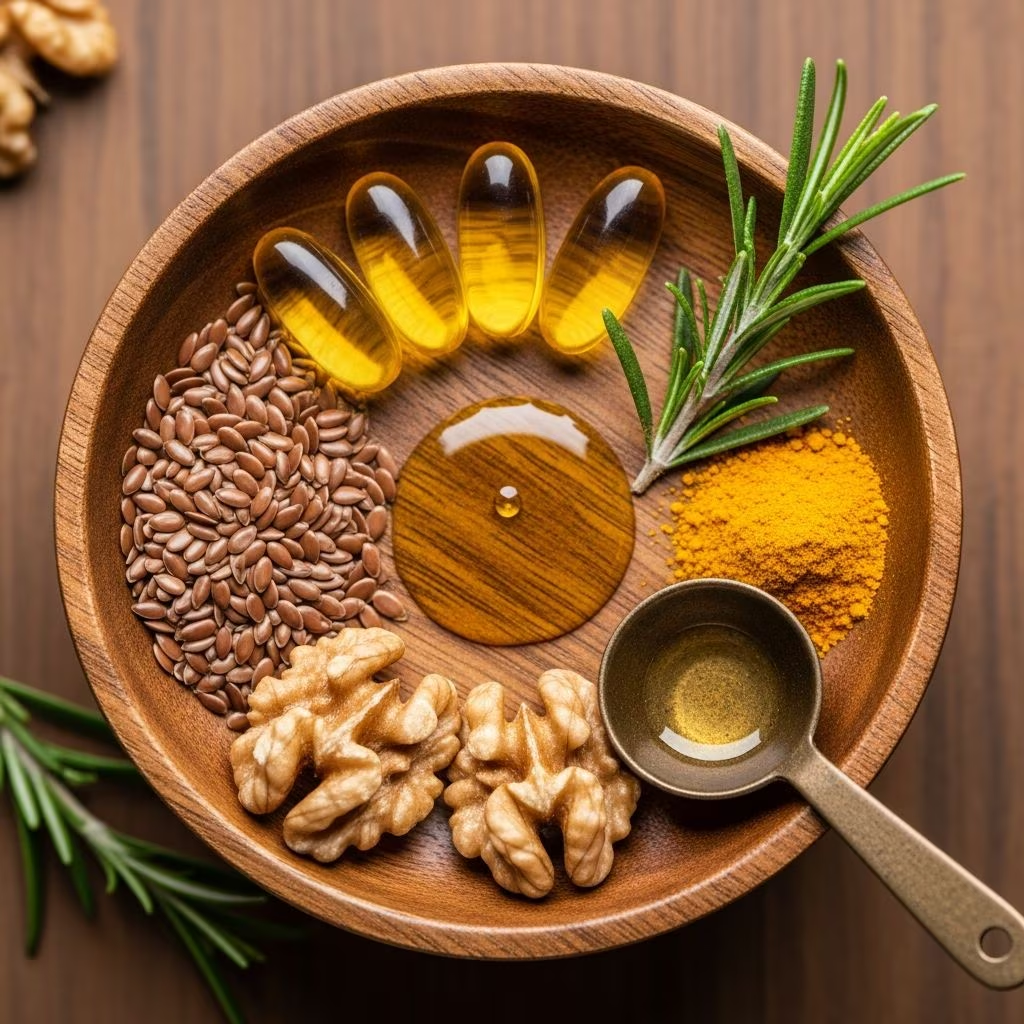
Dietary fats serve as a cornerstone of canine nutrition, delivering more than twice the energy of proteins or carbohydrates per gram while enabling key physiological processes. These nutrients are indispensable for absorbing fat-soluble vitamins, supplying vital fatty acids, and maintaining cellular integrity in dogs.
Why Dogs Depend on Fats Daily
Fats provide dogs with 9 kcal per gram, making them the most efficient energy source compared to the 4 kcal per gram from proteins and carbs. This density allows active dogs to meet high caloric demands without excessive food volume. Beyond calories, fats facilitate the uptake of vitamins A, D, E, and K in the intestines, ensuring these nutrients reach bodily tissues effectively. Dogs require at least 1-2% fat in their diet to optimize this absorption process.
Essential fatty acids, which dogs cannot synthesize sufficiently, must come from food. Omega-6 acids like linoleic acid (LA) support skin barrier function and coat luster, while omega-3s such as eicosapentaenoic acid (EPA), docosahexaenoic acid (DHA), and alpha-linolenic acid (ALA) combat inflammation and foster brain and eye development. These components integrate into cell membranes, influencing hormone synthesis—including cholesterol-derived steroids—and immune responses.
Breaking Down Fat Categories for Dogs
Canine diets feature three primary fat types: saturated, monounsaturated, and polyunsaturated (PUFAs). Saturated fats, stable and energy-rich, form from animal sources like beef tallow. Monounsaturated fats, such as oleic acid in olive or canola oil, offer moderate stability and heart-supportive properties. PUFAs, including omega-6 and omega-3, are highly bioactive but prone to oxidation, demanding careful handling.
| Fat Type | Key Examples | Primary Benefits | Common Sources |
|---|---|---|---|
| Saturated | Palmitic, Stearic | Energy, Stability | Animal fats, coconut oil |
| Monounsaturated | Oleic acid | Heart health, Absorption | Canola, sunflower oil |
| Polyunsaturated (Omega-6) | Linoleic (LA), Arachidonic (AA) | Skin/Coat, Growth | Corn, soybean oil |
| Polyunsaturated (Omega-3) | ALA, EPA, DHA | Anti-inflammatory, Brain/Eye | Fish oil, flaxseed |
This table summarizes fat classifications, highlighting their roles and origins to guide informed dietary choices.
Optimal Omega Ratios for Peak Performance
The balance between omega-6 and omega-3 fats profoundly impacts canine health. Experts recommend a ratio of 2:1 to 6:1 (omega-6:omega-3) to mitigate inflammation and enhance cognitive function. Modern commercial foods often skew toward 10:1 or higher due to prevalent vegetable oils, potentially leading to imbalances.
DHA stands out for puppies and seniors, supporting retinal health and neuronal growth. Studies affirm that balanced PUFA intake yields smarter, more resilient dogs with efficient organ function. Arachidonic acid (AA), an omega-6, aids eicosanoid production for inflammation modulation and skin integrity.
Sources of Healthy Fats in Dog Diets
Plant oils like soybean, corn, and flax supply LA and ALA, while animal fats provide AA. Marine sources—fish oil, krill, or fatty fish like sardines—deliver pre-formed EPA and DHA, superior to plant-based ALA conversion in dogs. AAFCO mandates minimums: 1.3% LA for growth diets, plus EPA+DHA for reproduction stages.
- Fish oils: Rich in EPA/DHA; ideal for anti-inflammatory effects.
- Vegetable oils: High omega-6; use sparingly to avoid imbalance.
- Animal fats: Provide AA and saturated fats for energy.
- Flaxseed: ALA source, but limited conversion efficiency.
Commercial kibbles often render fats during extrusion, potentially degrading delicate PUFAs unless stabilized with antioxidants.
Health Advantages Across Life Stages
Puppies and Growth
During development, fats drive rapid tissue formation and energy needs. DHA supplementation enhances visual acuity and learning capacity, with higher-fat formulas aiding weight gain without bulk.
Adults and Activity
Working or athletic dogs thrive on elevated fat for sustained power. Omega-3s reduce joint stress, while balanced fats maintain coat sheen and immune vigor.
Seniors and Wellness
Aging dogs benefit from moderated fats to prevent obesity, paired with omega-3s for cognitive preservation and arthritis relief. Lower-fat diets facilitate weight management while meeting essentials.
Tailoring Fats for Specific Conditions
Fats adapt to therapeutic needs. Higher-fat regimens suit underweight or lactating dogs, boosting caloric intake efficiently. Conversely, reduced-fat foods combat obesity, allowing greater volume intake sans excess calories.
For inflammation-related issues like osteoarthritis, allergies, or cardiac concerns, EPA/DHA supplements (0.2-1g daily for a 45-lb dog) offer adjunctive relief without over-supplementation risks. Dermatological benefits from LA and omega-3s include healthier skin barriers and reduced itching.
Challenges with Commercial Dog Foods
Processing heat and storage can oxidize PUFAs, diminishing their potency. Many formulas prioritize cost-effective oils, skewing omega ratios unfavorably. Fresh additions like sardines or fish oil capsules preserve bioactivity, but portion control prevents pancreatic strain or caloric overload.
Exceeding needs risks pancreatitis from sudden high-fat loads or obesity from unchecked calories. Always align with AAFCO standards before altering diets.
Practical Feeding Strategies
Assess labels for guaranteed fat analysis (e.g., 16-20% for adults). Introduce supplements gradually: 250-1000mg EPA/DHA for medium dogs, sourced from reputable fish/krill oils. Monitor stool quality, energy, and coat as indicators of balance.
- Rotate proteins/fats weekly for diversity.
- Store opened foods airtight, cool/dry.
- Consult vets for breed-specific needs (e.g., labs prone to obesity).
FAQs on Canine Dietary Fats
Can too much fat harm my dog?
Yes, excess can trigger pancreatitis or weight gain; stick to AAFCO minima/maxima and vet guidance.
Are fish oil supplements safe long-term?
In moderation (with antioxidants), yes; they support joints, skin, and heart without cholesterol risks in dogs.
What’s the best fat ratio for my puppy?
Aim for 5:1 omega-6:3 with ample DHA for brain/eye growth; check growth-stage formulas.
Do vegetarian diets suffice for fats?
Possible with ALA sources, but EPA/DHA from algae beats conversion limits.
How do I spot fat deficiency?
Watch for dull coat, flaky skin, poor wound healing, or lethargy; blood tests confirm.
Conclusion
Mastering dietary fats empowers dog owners to foster vibrant health across all ages. Prioritize balance, quality sources, and moderation for enduring vitality.
References
- Importance of Fats in Pet Food Nutrition — Hill’s Pet. Accessed 2026. https://www.hillspet.com/pet-care/nutrition-feeding/fats
- Beyond Energy: Five Functions of Dietary Fat — American Kennel Club. Accessed 2026. https://www.akc.org/expert-advice/dog-breeding/beyond-energy-five-functions-dietary-fat/
- Role of Dietary Fatty Acids in Dogs & Cats — Today’s Veterinary Practice. Accessed 2026. https://todaysveterinarypractice.com/nutrition/role-of-dietary-fatty-acids-in-dogs-cats/
- Fats for Dogs — PetMD. Accessed 2026. https://www.petmd.com/dog/nutrition/fats-for-dogs
- The Science of Pet Food: Role of Fat — GAPFA. Accessed 2026. https://www.gapfa.org/files/download/GAPFA_Factsheet_The_science_of_pet_food_Role_of_fat.pdf



