

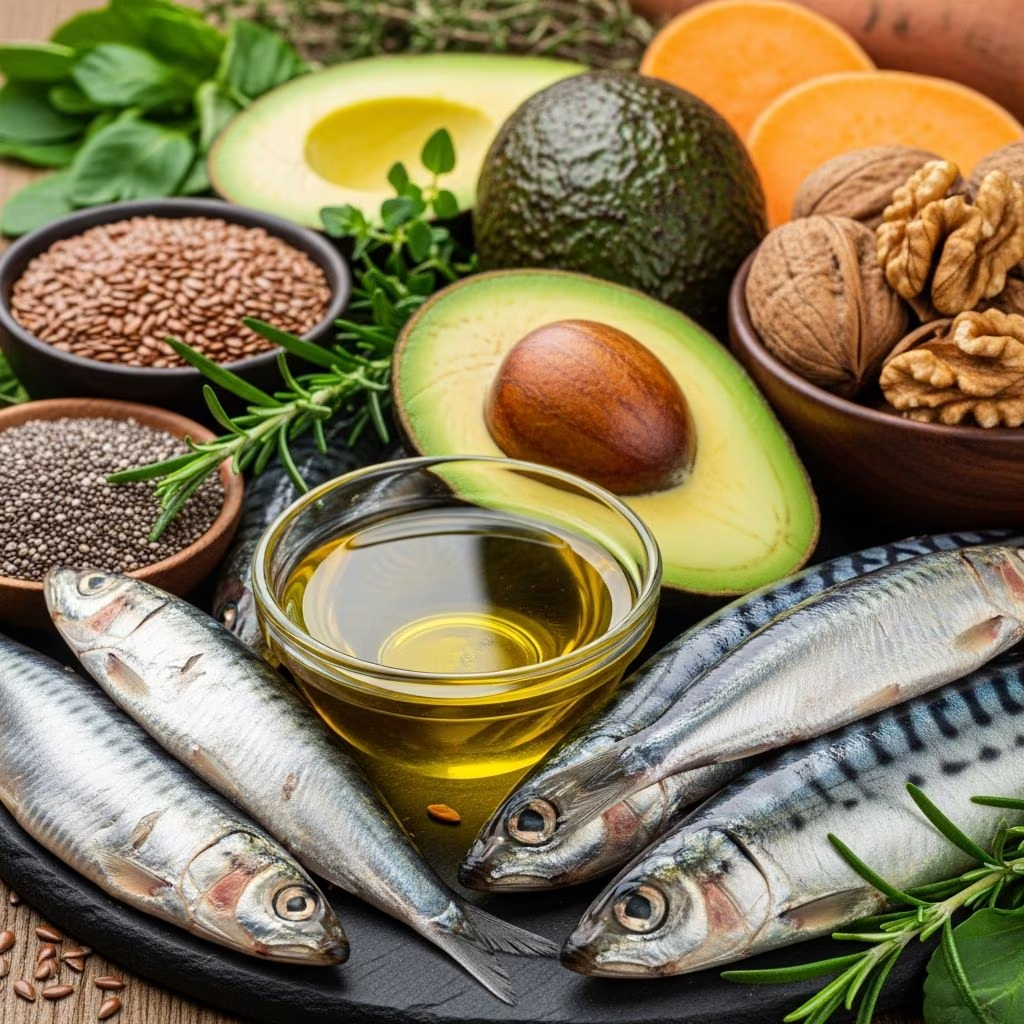
Dietary fats serve as a cornerstone of canine nutrition, delivering more than twice the energy per gram compared to proteins or carbohydrates, while enabling absorption of vital fat-soluble vitamins and providing indispensable fatty acids that dogs cannot produce on their own. These nutrients influence everything from daily energy levels to long-term organ function and disease prevention.
Why Dogs Depend on Fats Daily
Fats stand out in dog diets because they pack **9 calories per gram**, far surpassing the 4 calories from proteins or carbs, making them ideal for active or growing dogs needing dense energy without excessive food volume. Beyond calories, fats create a medium in the intestines that enhances uptake of vitamins A, D, E, and K, which are crucial for vision, bone health, antioxidant protection, and blood clotting—dogs require at least 1-2% fat in meals to ensure this process.
Essential fatty acids, particularly omega-6 (like linoleic acid) and omega-3 (like EPA and DHA), must come from food since canine bodies synthesize them insufficiently. These build cell membranes, produce hormones, and modulate inflammation, supporting skin integrity, coat shine, and immune responses.
- Energy efficiency: Perfect for working breeds or puppies, allowing smaller portions for the same caloric intake.
- Vitamin synergy: Fat micelles transport lipophilic vitamins, preventing deficiencies.
- Structural roles: Form phospholipids in brain and nerve cells, especially DHA for cognitive development.
Breaking Down Fat Types for Optimal Balance
Dog foods feature a mix of saturated, monounsaturated, and polyunsaturated fats (PUFAs), each with distinct roles. Saturated fats from animal sources offer stable energy, while PUFAs drive specialized functions but demand careful ratios to avoid imbalances.
| Fat Type | Sources | Key Benefits | Recommended Role |
|---|---|---|---|
| Saturated | Beef tallow, chicken fat | Energy storage, hormone precursors | Moderate amounts for stability |
| Monounsaturated | Canola oil, olive oil | Heart health, cell membrane fluidity | Balanced daily inclusion |
| Polyunsaturated (Omega-6) | Corn oil, soybean oil | Skin/coat health, eicosanoid production | Linoleic acid minimum per AAFCO |
| Polyunsaturated (Omega-3) | Fish oil, flaxseed | Anti-inflammatory, brain/eye support | Ideal 2:1 to 6:1 ratio with omega-6 |
PUFAs like arachidonic acid (AA, omega-6) from meats and EPA/DHA from fish are now AAFCO-recognized essentials for growth stages. An optimal omega-6 to omega-3 ratio of 2:1 to 6:1 promotes efficiency in cellular operations and intelligence, per nutritional consensus.
Fats Across Canine Life Stages
Puppies and lactating females thrive on higher fat levels (often 20%+ crude fat) for rapid growth and milk production, with DHA aiding retinal and neural maturation. Active adults, like herding or sporting dogs, benefit from elevated fats to sustain stamina without bulk.
Seniors or overweight dogs may fare better on lower-fat formulas (8-12% crude fat), which curb calories while maintaining essentials, aiding weight management. Therapeutic diets leverage fats too: high-fat for underweight recovery, low-fat for pancreatitis risks.
- Growth/reproduction: Minimum EPA+DHA per NRC/AAFCO for development.
- Maintenance: 5-15% fat, balanced omegas for vitality.
- Weight control: Reduced density prevents overeating calories.
Health Advantages of Well-Balanced Fats
Balanced fats extend beyond basics, influencing hormones via cholesterol (partly dietary), immune modulation, and inflammation control through eicosanoids from omegas. Omega-3s like EPA/DHA suppress pro-inflammatory pathways, benefiting joints in osteoarthritis, allergies, and even cardiac conditions.
Skin and coat gleam with omega-6 linoleic acid, while DHA sharpens cognition—studies link proper fats to smarter, more agile dogs. Higher-fat diets suit gestation or high-energy demands, boosting body condition efficiently.
Common Pitfalls in Commercial Dog Foods
Many kibbles prioritize shelf-stable fats like corn oil, skewing omega ratios toward excess omega-6, potentially fueling inflammation if omega-3s lag. Processing heat degrades fragile PUFAs, especially DHA, diminishing benefits despite labels. Always check guaranteed analysis for crude fat (minimums met) and named omega sources.
Overfeeding fats risks obesity or pancreatitis, as excesses deliver calories rapidly—stick to AAFCO-compliant foods without arbitrary triglyceride boosts.
Safe Ways to Enhance Fat Intake
AAFCO-approved foods cover basics, but targeted omega-3 boosts via fish oil can aid issues like dermatitis or arthritis (veterinarian-guided). For a 45-pound dog, 0.2-1g combined EPA+DHA daily suffices, paired with antioxidants to prevent oxidation.
Fresh options like sardines or krill oil capsules add DHA without odor overload. Plant ALA (flax) converts poorly to EPA/DHA in dogs, so prioritize marine sources. Monitor for loose stools signaling excess.
- Fish oil: Prime EPA/DHA delivery for inflammation.
- Small fatty fish: Whole-food DHA with minimal processing.
- Avoid excess: Balance prevents oxidative harm.
Decoding Labels and Choosing Wisely
Scan for “chicken fat” (stable), “fish oil” (omegas), and linoleic acid listings. Ratios aren’t mandated, so cross-reference with feeding trials (AAFCO statement). Fresh or frozen diets preserve PUFAs better than extruded kibble.
Consult vets for breed-specific needs—large breeds may need joint-supporting omegas, while short-nosed dogs watch pancreatitis risks.
Frequently Asked Questions
Can too much fat harm my dog?
Yes, excess leads to obesity or pancreatitis; follow portion guidelines and avoid high-fat treats.
What’s the best omega ratio for dogs?
Aim for 2:1 to 6:1 omega-6 to omega-3, emphasizing DHA for brain health.
Do all dog foods have enough essential fats?
AAFCO-compliant ones meet minimums, but optimal health often requires omega-3 enhancement.
Is fish oil safe long-term?
Yes, in moderation (e.g., 0.2-1g EPA+DHA/45lbs) with vet approval for therapeutic use.
How do fats affect senior dogs?
Balanced fats support cognition and joints; lower total fat aids weight control.
Integrating fats thoughtfully elevates canine wellness, from shiny coats to sharp minds. Prioritize quality sources and balance for lifelong vitality.
References
- Importance of Fats in Pet Food Nutrition — Hill’s Pet. Accessed 2026. https://www.hillspet.com/pet-care/nutrition-feeding/fats
- Beyond Energy: Five Functions of Dietary Fat — American Kennel Club. Accessed 2026. https://www.akc.org/expert-advice/dog-breeding/beyond-energy-five-functions-dietary-fat/
- Role of Dietary Fatty Acids in Dogs & Cats — Today’s Veterinary Practice. Accessed 2026. https://todaysveterinarypractice.com/nutrition/role-of-dietary-fatty-acids-in-dogs-cats/
- Fats for Dogs — PetMD. Accessed 2026. https://www.petmd.com/dog/nutrition/fats-for-dogs
- The Science of Pet Food: Role of Fat — GAPFA. Accessed 2026. https://www.gapfa.org/files/download/GAPFA_Factsheet_The_science_of_pet_food_Role_of_fat.pdf



