Essential Exercise Guide for Dogs
Discover tailored exercise plans to boost your dog's physical fitness, mental sharpness, and overall happiness every day.
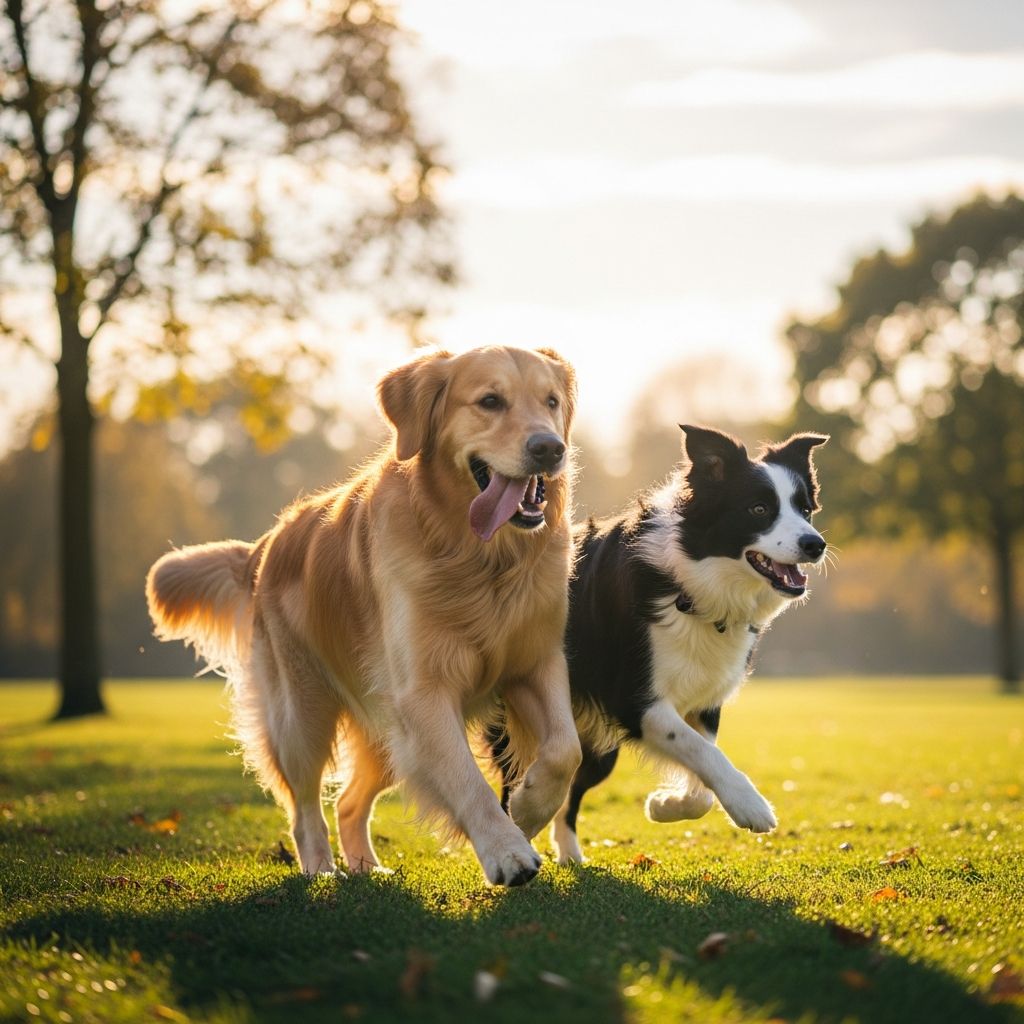
Regular physical activity is fundamental to a dog’s health, supporting everything from weight management to emotional stability. Tailoring exercise to your dog’s specific needs ensures they remain energetic, healthy, and content throughout their life.
Why Physical Activity Matters for Canines
Exercise goes beyond mere playtime; it forms the cornerstone of preventive care for dogs. Active dogs maintain ideal body weight by efficiently burning calories, which directly combats obesity—a prevalent concern linked to numerous health issues. Consistent movement strengthens cardiovascular systems, enhancing heart function and endurance. It also fortifies muscles and promotes joint flexibility, reducing the likelihood of arthritis and mobility problems in later years.
Mentally, physical exertion triggers endorphin release, fostering a sense of well-being and curbing anxiety or stress. Dogs deprived of adequate activity often exhibit behavioral challenges like excessive barking or destructive chewing, stemming from pent-up energy. Social outings during walks or play build confidence and sharpen cognitive skills through exposure to new environments.
Factors Influencing Exercise Requirements
No universal formula fits all dogs; requirements hinge on several variables. Breed plays a pivotal role—high-energy working dogs demand more vigorous sessions than laid-back companions. Age dictates intensity: puppies thrive on short, frequent bursts to match their developing bodies, while seniors benefit from low-impact routines to preserve joint health.
Health status is crucial; conditions like hip dysplasia or respiratory issues necessitate veterinary-guided plans to avoid strain. Size matters too—larger breeds may cover more ground in walks, but smaller ones need proportional activity to stay fit. Always observe your dog’s signals: enthusiasm indicates readiness, while lethargy or limping signals a need to scale back.
Daily Activity Benchmarks by Life Stage
| Life Stage | Recommended Duration | Example Activities | Key Considerations |
|---|---|---|---|
| Puppy (up to 1 year) | 5-30 minutes, multiple sessions | Short walks, gentle fetch, play chasing | Build stamina gradually; avoid overexertion on growing joints |
| Adult (1-7 years) | 30 minutes to 2 hours | Brisk walks, running, swimming, agility games | Match to breed energy; include mental challenges |
| Senior (7+ years) | 20-45 minutes, low-impact | Slow strolls, swimming, light fetch | Monitor for fatigue; focus on flexibility and balance |
These guidelines provide a starting point, adjustable per individual needs. For instance, most adults require at least one daily outing, with high-drive breeds needing twice that. Consistency trumps intensity—daily 20-minute walks outperform sporadic long hauls.
Creative Ways to Energize Your Dog
- Brisk Walking and Hiking: Ideal for cardiovascular gains and mental stimulation via scents and sights. Aim for varied terrains to engage senses fully.
- Swimming Sessions: Low-impact cardio perfect for joint-sensitive dogs; provides full-body workout without pavement stress.
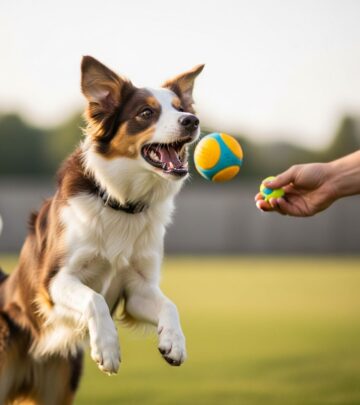
- Fetch and Frisbee: Builds speed, coordination, and obedience; use in safe, open areas.
- Agility Training: Tunnels, jumps, and weaves enhance focus and athleticism; start simple at home.
- Interactive Toys: Puzzle feeders or treat-dispensing balls combine mental and mild physical effort for indoor days.
- Dog Sports: Enroll in flyball, herding trials, or obedience classes for structured fun and socialization.
Incorporate variety to prevent boredom. Weather challenges? Indoor options like stair sprints or hallway tug-of-war suffice. Pair activities with training commands to dual-boost physical and cognitive health.
Health Gains from Consistent Routines
Beyond basics, regular exercise fortifies immunity, aiding disease resistance. It regulates digestion, preventing constipation through improved gut motility. For at-risk dogs, activity stabilizes blood sugar, mitigating diabetes risks, and supports healthy cholesterol profiles.
Behaviorally, fit dogs display calmer demeanors, better trainability, and stronger owner bonds. Owners benefit too—dog walking aligns with human fitness goals, promoting mutual wellness. Long-term, active lifestyles correlate with extended lifespans and superior quality of life.
Recognizing and Preventing Overexertion
Push too hard, and risks emerge: heatstroke, muscle strains, or joint injuries. Watch for heavy panting, reluctance to continue, or unusual stiffness post-activity. Hydrate frequently, especially in heat, and cool down gradually.
Puppies and brachycephalic breeds (e.g., Bulldogs) tire faster—shorten sessions accordingly. Post-exercise, check paws for cuts and provide rest. Consult vets for tailored limits, particularly with pre-existing conditions.
Building a Sustainable Fitness Plan
Start slow: assess current fitness via a baseline walk, then increment by 10% weekly. Track progress with a journal noting duration, behavior, and appetite. Involve family for accountability and shared joy.
Seasonal adjustments help: winter calls for indoor games; summer demands early-morning or evening slots. Group playdates offer socialization without solo effort. Apps or wearables for dogs monitor steps, ensuring goals met.
Frequently Asked Questions
How do I know if my dog gets enough exercise?
Signs include sound sleep, enthusiasm for play without hyperactivity, healthy weight, and relaxed home behavior. Lethargy or mischief suggests more is needed.
Can exercise help my overweight dog?
Absolutely—combine activity with diet for effective weight loss. Swimming excels for heavy pups to minimize joint load.
What if my dog hates walks?
Make them rewarding: use treats, toys, or varied routes. Gradually build positive associations; consult trainers for fear-based issues.
Is exercise safe for older dogs?
Yes, adapted routines preserve muscle and mobility. Vets can recommend joint supplements alongside gentle cardio.
How does weather affect exercise plans?
Extreme heat risks overheating—opt for AC-cooled indoor play. Cold? Layer coats and shorten outdoor time for small breeds.
Partnering with Professionals
Veterinarians offer breed-specific advice and health checks to customize plans. Trainers or canine fitness experts refine techniques for optimal results. Routine exams catch issues early, ensuring safe progression.
References
- How Does Exercise Impact a Dog’s Physical and Mental Health? — CAIN Hoy Veterinary Hospital. 2023. https://www.cainhoyvet.com/how-exercise-impacts-dogs-physical-mental-health/
- Dog walking – the health benefits — Better Health Channel (Victorian Government). 2023-10-02. https://www.betterhealth.vic.gov.au/health/healthyliving/dog-walking-the-health-benefits
- Healthy Exercise for Dogs — VCA Animal Hospitals. 2024. https://vcahospitals.com/know-your-pet/healthy-exercise-for-dogs
- Canine Fitness: Keeping Your Dog Active and Healthy — Express Vets Kennesaw. 2023. https://www.expressvetskennesaw.com/blog/canine-fitness-keeping-your-dog-active-and-healthy-express-vets-kennesaw
- No bones about it: Dogs are good for your health — Mayo Clinic Health System. 2023. https://www.mayoclinichealthsystem.org/hometown-health/speaking-of-health/dogs-are-good-for-your-health
- Exercise — Purdue University Canine Welfare Science. 2024. https://caninewelfare.centers.purdue.edu/behavior/exercise/
- How Much Exercise Does a Dog Need Every Day? — American Kennel Club (AKC). 2024-01-22. https://www.akc.org/expert-advice/health/how-much-exercise-does-dog-need/
Similar Articles








Read full bio of medha deb