
Essential Dog Warm-Up Routines
Boost your dog's performance and prevent injuries with these engaging warm-up activities designed for active pups.
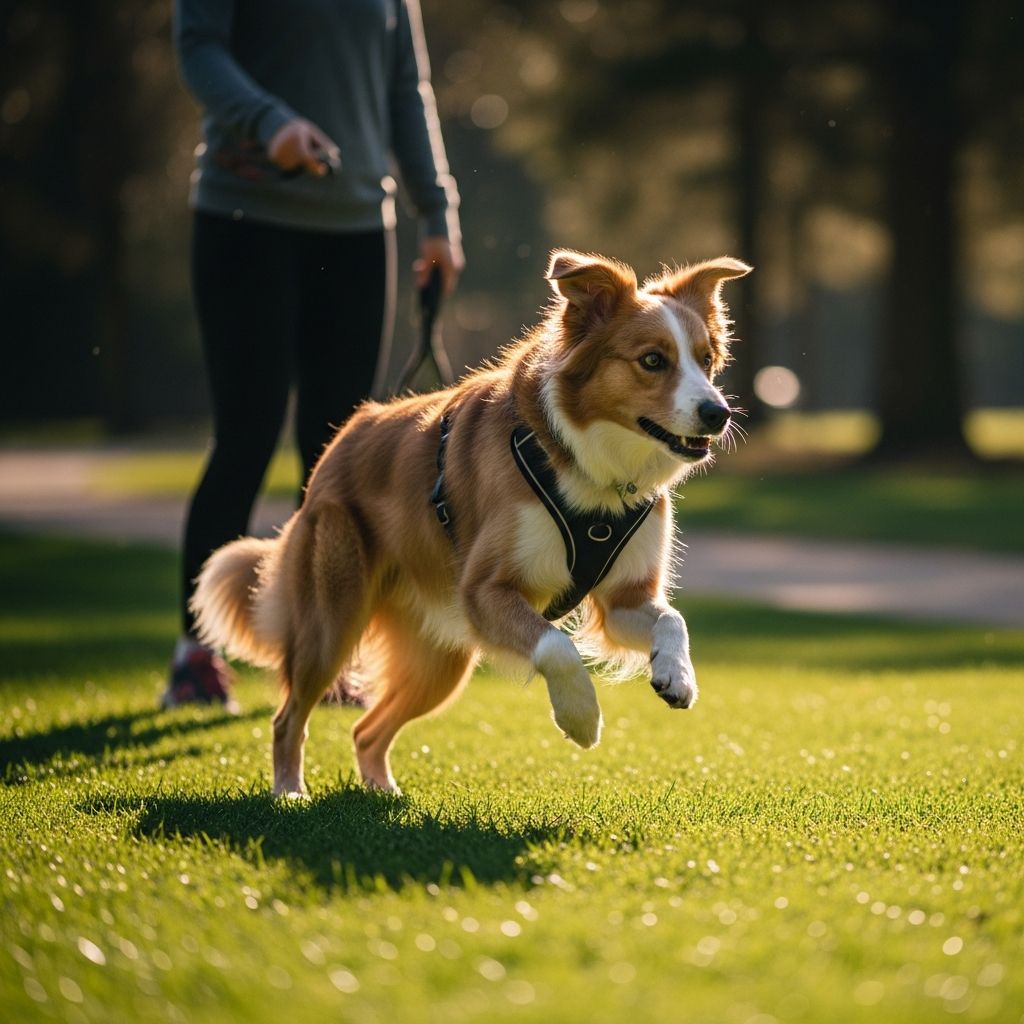
Preparing your dog for physical activity goes beyond a quick leash walk. Proper warm-ups elevate heart rate, increase blood flow to muscles, and enhance joint lubrication, reducing injury risk during runs, agility trials, or fetch sessions. Veterinary sports medicine experts emphasize that these routines prime canine bodies for peak performance, much like athletes in human sports.
Why Warm-Ups Matter for Canine Health
Dogs, especially athletic breeds, benefit from structured preparation. Active warm-ups trigger metabolic changes, shifting muscles to aerobic energy production within 120 seconds. This process raises core temperature and allows full range of motion, critical for high-output activities like agility where events last mere seconds. Studies on similar human sports highlight post-activation potential (PAP), where near-maximal efforts boost muscle power—translatable to dogs via jumps or sprints in warm-ups. Skipping this can lead to strains, as cold muscles lack elasticity.
Benefits include improved proprioception (body awareness), better focus on handlers, and injury prevention. Feel for swelling or heat in limbs pre- and post-activity to catch issues early. Always tailor routines to your dog’s age, breed, and fitness level; consult vets for seniors or those with conditions.
Building a Strong Cardio Foundation
Start every session with cardiovascular exercises to gradually ramp up intensity. These mimic natural movement patterns while engaging multiple muscle groups.
- Leash Walks to Trots: Begin with a 5-10 minute brisk walk, transitioning to trot. Vary directions with turns and circles to stretch both sides evenly. This boosts heart rate and circulates oxygenated blood.
- Long-Line Speed Play: On a long leash, encourage bursts of speed for 1-2 minutes, slowing periodically. Reward heeling to build handler connection.
- Circular Lunging: Have your dog trot circles around you, first at walk pace, then trot or canter. Ideal for confined spaces, this warms hips and shoulders symmetrically.
Aim for 10 minutes total at moderate intensity until breathing quickens and muscles feel pliable. Monitor for fatigue; puppies need shorter durations.
Dynamic Stretching for Flexibility
Follow cardio with active stretches that promote spinal mobility and limb extension without static holds, which can strain cold tissues. Use high-value treats or toys for motivation.
| Exercise | Target Areas | Reps/Duration |
|---|---|---|
| Play Bow | Spine extension, forelimbs | 3-5 holds, 2-5 seconds each |
| Treat-Reach Circles | Neck, shoulders, spine | 4-6 per side |
| Paws-Up on Stable Surface | Hips, core | 3-5 reaches |
- Play Bow: Lure into a bow position (front down, rear up) for spinal flexion. Hold briefly, release with praise. Engages core without neck hyperextension.
- Treat-Reach Circles (Cookie Stretches): With feet planted, guide nose around ribs to hip on both sides. Start shallow, building reach. Excellent for lateral spine work.
- Paws-Up Reaches: Encourage front paws on a low chair or step, then lure head up for treats. Stretches hips and builds balance.
Perform after cardio when muscles are warm. These borrow from equine rehab, proven safe for dogs.
Strength and Coordination Builders
Incorporate positional changes and directional work to activate stabilizers and proprioceptors. These double as obedience refreshers.
- Puppy Push-Ups: Cycle sit-stand-down repeatedly. Strengthens chest, shoulders, and core; great for all ages.
- Weaving Legs: Step through your legs side-to-side. Challenges balance and engages obliques.
- Spins and Pivots: Cue tight left/right circles (1 minute total). Warms rotators in hips and shoulders.
- Backup Drill: Walk into your dog to prompt backward steps; add verbal cue. Targets rear glutes and hamstrings.
- Side-Stepping: Similar to backup but laterally. Cue with body pressure or lures; warms abductors/adductors.
Do 3-5 sets of 5-10 reps each, rewarding every 2-3 moves. Keep sessions fun to maintain engagement.
Sport-Specific Preparations
Customize final phases for your dog’s pursuits. Mimic competition demands at low intensity.
- For Agility/Flyball: 4-5 low jumps (half height), weave simulations via leg weaves, brief tug bursts.
- For Running/Trail Work: Sidesteps (30 feet), low ground tugs, short sprints. Engages groin and stabilizers.
- For Detection/Obedience: Position changes (sit-stand-down), spins, targeting objects.
End with 1-2 event-pace efforts (e.g., 25% of full run). Avoid starting with jumps; build progressively.
Mastering the Cool-Down Phase
Post-activity cool-downs prevent stiffness by flushing lactic acid and stretching worked muscles. Mirror warm-up structure in reverse.
- 10-15 minute walk/trot to normalize heart rate.
- Repeat bows and cookie stretches (3 sets) for opposing muscle groups.
- Gentle massage: Rub limbs, check for heat/swelling.
Skip intense play; focus on relaxation. Hydrate well and monitor for limping.
Sample 10-Minute Warm-Up Routine
- 5-min walk-to-trot with turns.
- 1-min low tugs and side-steps.
- 2-min spins, push-ups, backups.
- Active stretches: bows, reaches (3 mins).
- Sport-specific: low jumps or sprints (2 mins).
Adjust for time constraints; consistency trumps perfection.
Frequently Asked Questions
How often should I warm up my dog?
Before every intense session: daily walks, weekly sports, or playdates. Puppies and seniors may need gentler versions.
Can puppies do these exercises?
Yes, modified lightly. Focus on fun movements; avoid jumps until growth plates close (around 1 year for most breeds).
What if my dog resists warm-ups?
Use highest-value rewards, keep sessions short (under 15 mins), and end on success. Build gradually.
Signs of over-warming or injury?
Panting excessively, reluctance, limping, or hot/swollen joints. Stop, cool down, vet if persists.
Best for which breeds?
All active dogs: herders, hounds, terriers. Sedentary pups start basic cardio/stretches.
Pro Tips for Success
- Environment: Quiet, flat surfaces; avoid slippery floors.
- Gear: Long lines, durable tugs, stable props.
- Progression: Increase intensity weekly as fitness improves.
- Handler Fitness: Warm up yourself to match your dog’s pace.
Integrate these into routines for healthier, happier dogs. Track improvements in speed, focus, and recovery.
References
- Going for a Run? 6 Warm-Up Exercises for You and Your Dog — Iron Doggy. Accessed 2026. https://irondoggy.com/blogs/news/run-6-warmup-exercises
- Warm-Ups & Cool Downs For Your Dog’s Exercise Routine — Canine Arthritis Resources & Education (CARE). Accessed 2026. https://caninearthritis.org/article/warm-ups-cooldowns-dogs/
- Preventing injury during dog sports — Warm up and cool down guide — One Mind Dogs. Accessed 2026. https://www.oneminddogs.com/blog/preventing-injury-during-dog-sports-warm-up-and-cool-down-guide/
- 9 Great Warm Up Games and Exercises for Your Dog — Whole Dog Journal. Accessed 2026. https://www.whole-dog-journal.com/training/tricks_games_sports/9-great-warm-up-games-and-exercises-for-your-dog/
- Canine Health Minute – Warmup Exercises for Your Dog — Cornell University (YouTube). 2026. https://www.youtube.com/watch?v=xHePjVc0CBY
- Easy Exercises for Canine Conditioning — American Kennel Club (AKC). Accessed 2026. https://www.akc.org/expert-advice/training/exercises-canine-conditioning/
Similar Articles








Read full bio of medha deb




