

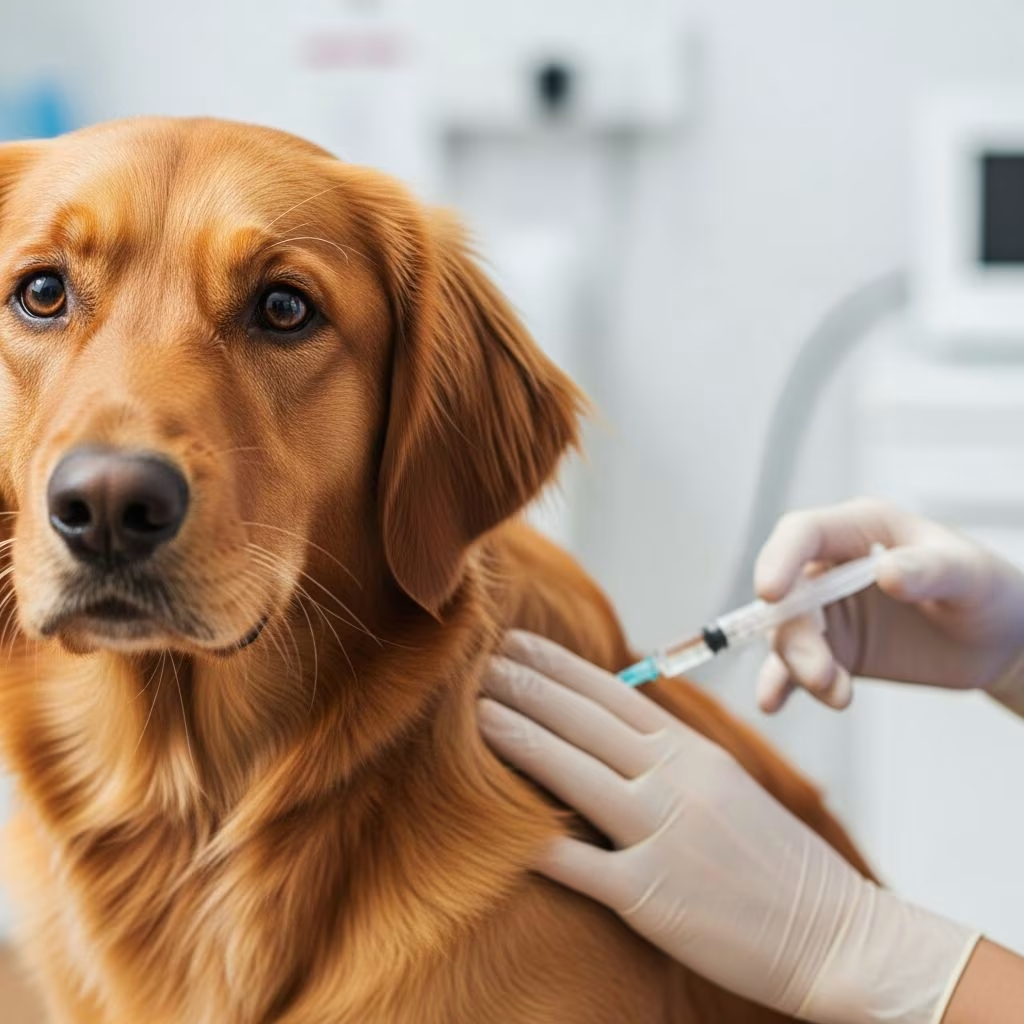
Protecting dogs from preventable diseases starts with a well-planned vaccination strategy. Core vaccines shield against life-threatening illnesses common to all canines, while additional shots address specific risks based on lifestyle. This guide outlines key vaccines, schedules, and best practices drawn from veterinary standards.
Understanding Core Versus Non-Core Vaccines
Dog vaccines fall into two main groups: core and non-core. Core vaccines are vital for every dog due to the high contagiousness and severity of the diseases they prevent, such as distemper, parvovirus, adenovirus, and rabies. Non-core, or lifestyle vaccines, depend on factors like boarding frequency, travel, or regional threats.
- Core vaccines: Recommended universally by bodies like the American Veterinary Medical Association (AVMA).
- Non-core vaccines: Tailored to exposure risks, e.g., boarding or hiking areas.
Key Core Vaccines and Their Importance
These foundational shots form the backbone of canine immunization. They are typically combined into multi-valent formulas like DHPP or DAPP for efficiency.
DHPP/DAPP Combination Vaccine
The DHPP vaccine targets four major threats: distemper, hepatitis (adenovirus), parainfluenza, and parvovirus. Canine distemper ravages the respiratory, gastrointestinal, and nervous systems, often proving fatal in unvaccinated dogs. Parvovirus causes bloody diarrhea and dehydration, especially deadly in puppies. Adenovirus leads to liver inflammation, while parainfluenza contributes to respiratory issues.
Rabies Vaccine
Rabies is a zoonotic virus attacking the central nervous system, nearly always fatal once symptoms appear. It is legally mandated in most regions, with initial doses at 12-16 weeks and boosters every 1-3 years.
Leptospirosis Vaccine
Leptospirosis spreads through contaminated water or urine from wildlife, causing kidney and liver failure. Often bundled as DHLPP, it is increasingly core due to urban wildlife prevalence.
Vaccination Schedules by Life Stage
Puppies require a series of shots as maternal antibodies wane around 6-16 weeks. Adults need boosters to sustain immunity.
Puppy Vaccination Timeline
| Age | Core Vaccines | Possible Non-Core |
|---|---|---|
| 6-8 weeks | DHPP/DAPP | Bordetella |
| 10-12 weeks | DHLPP | Lyme, Influenza |
| 14-16 weeks | DHLPP, Rabies (if required) | Lyme, Influenza |
Adult and Senior Dog Boosters
| Frequency | Core Vaccines | Non-Core (if applicable) |
|---|---|---|
| Annually | Rabies (1st booster), Leptospirosis | Bordetella, Influenza |
| Every 1-3 years | DHPP, Rabies (post-booster) | None standard |
Seniors may need titer tests to check immunity levels, potentially spacing boosters.
Non-Core Vaccines: When and Why
These protect against region-specific or activity-related risks.
- Bordetella (Kennel Cough): For dogs in kennels, dog parks, or grooming salons. Highly contagious respiratory infection.
- Canine Influenza: Guards against flu strains in outbreak areas or group settings.
- Lyme Disease: Essential in tick-heavy regions like the Northeast U.S.
Factors Influencing Vaccine Needs
Veterinarians customize plans based on age, breed, location, and lifestyle. High-risk dogs (e.g., frequent travelers) benefit from broader coverage. Always consult local laws for rabies compliance.
Potential Side Effects and Safety
Vaccines are rigorously tested, but mild reactions like lethargy or swelling occur in less than 1% of cases. Severe allergic responses are rare; monitor post-vaccination. Over-vaccination risks are minimized via protocols like AAHA guidelines.
Cost Considerations and Access
Core puppy series cost $75-200; adult boosters $20-50 per shot. Clinics and shelters offer low-cost options. Proof of vaccination is required for boarding.
Common Myths Debunked
- Myth: All vaccines are needed yearly. Fact: Many last 3 years; titers confirm.
- Myth: Natural exposure suffices. Fact: Diseases can kill before immunity builds.
Frequently Asked Questions (FAQs)
What are the must-have vaccines for my dog?
Core: DHPP, Rabies, Leptospirosis. Non-core depend on lifestyle.
Can I skip boosters if my dog seems healthy?
No, immunity wanes; regular vet checks are essential.
Are vaccines safe for puppies?
Yes, starting at 6 weeks builds protection safely.
How often does my adult dog need rabies shots?
Every 1-3 years per law and vaccine type.
What if my dog missed a shot?
Contact your vet promptly to restart or boost the series.
Steps to Keep Your Dog Vaccinated
- Start puppy shots at first vet visit.
- Follow the schedule diligently.
- Update records for travel/boarding.
- Annual wellness exams for tailoring.
- Discuss titers for minimal dosing.
Timely vaccinations prevent outbreaks and ensure herd immunity in communities.
References
- Puppy and Dog Vaccinations: A Schedule for Every Life Stage — PetMD. 2023. https://www.petmd.com/dog/care/dog-vaccinations-for-every-lifestage
- What Vaccines Does My Dog Need? A Quick Guide — Texas Council for Animal Protection. 2024. https://texasforthem.org/what-vaccines-does-my-dog-need/
- Vaccinations for dogs: What every dog owner should know — Banfield Pet Hospital. 2024. https://www.banfield.com/Services/dog-vaccinations
- Essential Dog Vaccine List — PBS Animal Health. 2023. https://www.pbsanimalhealth.com/blog/learning-center/b/essential-dog-vaccines-list/
- What Dog Vaccines Are Absolutely Necessary — Minnieville Animal Hospital. 2024. https://minnievilleah.com/blog/what-dog-vaccines-are-absolutely-necessary/
- Vaccinations — American Veterinary Medical Association (AVMA). 2025-02-01. https://www.avma.org/resources-tools/pet-owners/petcare/vaccinations



