
Essential Dog Training Principles
Master the core principles of dog training to build a stronger bond and achieve lasting obedience with your canine companion.
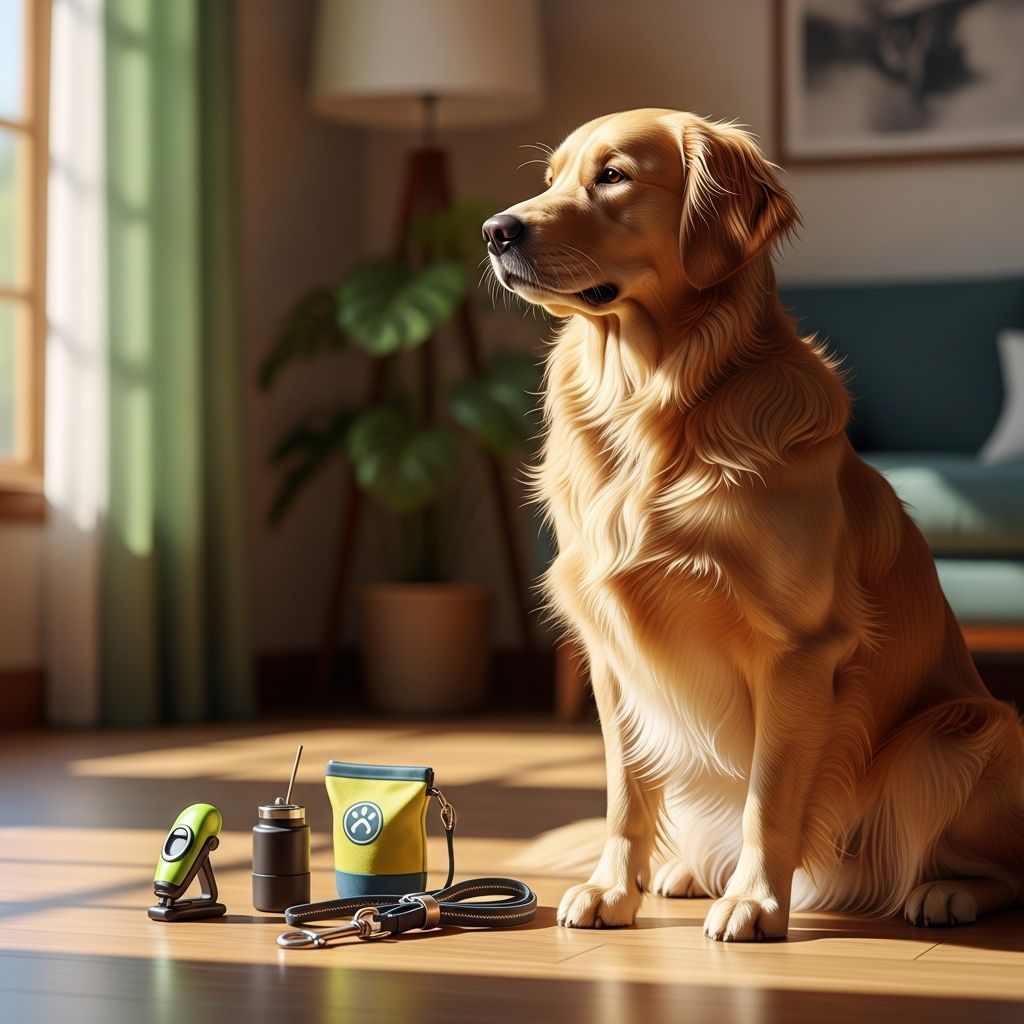
Effective dog training transforms chaotic puppies into well-mannered companions. By grasping foundational concepts, owners can guide their dogs toward reliable behaviors while deepening their mutual trust. This article explores critical elements drawn from established practices, emphasizing methods that promote learning without fear.
Understanding How Dogs Learn
Dogs acquire skills primarily through associative processes, linking actions to outcomes. Operant conditioning, pioneered by B.F. Skinner, underpins most modern techniques, where behaviors followed by rewards increase in frequency. Classical conditioning pairs neutral stimuli with meaningful events, helping dogs form positive associations.
Non-associative learning, such as habituation, allows dogs to adapt to repeated stimuli, reducing overreactions over time. Desensitization and counterconditioning further refine responses to triggers like loud noises or strangers. Recognizing these mechanisms enables trainers to select appropriate strategies for specific challenges.
The Role of Consistency in Building Habits
Consistency forms the bedrock of successful training. Dogs flourish in predictable environments where cues and responses remain uniform across sessions and handlers. Inconsistent signals confuse animals, slowing progress and fostering uncertainty.
To implement consistency:
- Use identical commands every time, such as ‘sit’ rather than alternating with ‘down please’.
- Maintain the same reward protocol, avoiding switches between treats and praise mid-session.
- Ensure all family members follow the established rules to prevent mixed messages.
Regular repetition in varied settings promotes generalization, where dogs apply learned behaviors universally. Begin in quiet spaces, then introduce distractions gradually for robust results.
Harnessing Positive Reinforcement for Lasting Change
Positive reinforcement rewards desired actions immediately, boosting their recurrence without instilling fear. Treats, toys, or verbal acclaim serve as motivators, creating enjoyable learning experiences. This method outperforms punishment, which can breed anxiety and erode trust.
Clicker training exemplifies this approach: a distinct click marks the exact moment of correct behavior, followed by a reward. Dogs quickly associate the sound with success, accelerating comprehension.
| Method | Benefits | Examples |
|---|---|---|
| Positive Reinforcement | Builds confidence, speeds learning | Treat for sitting, praise for recall |
| Punishment | Short-term suppression, risks fear | Yelling, leash jerks |
Variable reinforcement—randomly timing rewards—strengthens behaviors long-term, mimicking natural unpredictability.
Mastering Timing for Precise Associations
Timing dictates training efficacy; consequences must occur within 1.3 seconds of the behavior for dogs to connect them. Delayed rewards dilute associations, while premature ones reinforce errors.
Positive outcomes follow good actions instantly, like a treat upon heeling. Negative feedback, used sparingly, targets unwanted behaviors precisely. Trainers must observe closely, responding at pivotal moments to shape conduct effectively.
Boosting Motivation to Sustain Engagement
Motivation fuels participation. Identify your dog’s preferred rewards—food, play, or affection—and deploy them strategically. High-value treats excel in distracting environments, maintaining focus.
Short sessions prevent fatigue, ending on high notes to build anticipation. Rituals, like a specific toy signaling start time, enhance readiness. Monitor stress signals—yawning, lip licking—to adjust intensity, ensuring fun for both.
Developing Clear Communication Channels
Dogs rely on body language, tone, and expressions for understanding. Humans must mirror this clarity, using consistent gestures and vocal inflections. Learning canine cues—tail wags for joy, ears back for unease—prevents misinterpretations.
Direction involves guiding dogs toward alternatives to undesired habits, such as ‘sit’ to curb jumping. Fairness ensures expectations match the dog’s capabilities, avoiding frustration.
Building Confidence and Respect in Training
Confident handlers project calm authority, which dogs sense and mirror. Respect acknowledges the dog’s pace, celebrating incremental wins. This dynamic fosters mutual reliance, essential for advanced skills like off-leash reliability.
Socialization exposes pups to diverse stimuli early, curbing fear-based issues. Controlled interactions with people, dogs, and environments build adaptability.
Practical Strategies for Core Commands
Focus on fundamentals: sit, stay, come, heel. For sit, lure with a treat overhead, rewarding the natural drop. Recall starts in low-distraction zones, progressing outward. Heel requires patient leash work, rewarding proximity.
Practice daily in 5-10 minute bursts, varying locations for real-world proofing.
Overcoming Common Training Hurdles
Reactivity to distractions demands higher rewards and incremental exposure. Stubbornness often stems from unclear cues or low motivation—revisit basics. Puppy chewing benefits from redirection to toys, paired with praise.
Professional guidance aids complex cases, ensuring humane, efficient progress.
Long-Term Maintenance and Advancement
Once basics solidify, introduce complexity like distance stays or group classes. Variable schedules prevent reliance on constant treats. Lifelong practice sustains obedience amid life changes.
Track progress in a journal, noting successes and setbacks for refinement.
Frequently Asked Questions
How long does it take to train a dog?
Basics take weeks with daily practice; mastery requires months of consistency.
Can older dogs learn new tricks?
Yes, adults respond well to positive methods, though patience accommodates slower adaptation.
Should I use treats forever?
Phase to variable or non-food rewards gradually for independence.
What if my dog ignores commands?
Check timing, consistency, and motivation; return to simpler settings.
Is group training better than solo?
Groups enhance socialization; combine with home practice for best outcomes.
References
- Basic Dog Training Foundations — K-9 Companions. 2023. https://k-9companions.com/blog/basic-dog-training/
- The 4 Key Principles of Training Your Dog — dogpak. 2022. https://dogpak.com/blogs/articles/the-four-key-principles-of-training-your-dog
- Guide for Beginners: Basic Principles of Training Dogs — Freak on a Leash Dog Training. 2024. https://freakonaleashdogtraining.com/guide-for-beginners-basic-principles-of-training-dogs/
- Five Principles of Dog Training — Holiday Barn Pet Resorts. 2023. https://holidaybarn.com/blog/principles-dog-training/
- Dog Training Basics — FOUR PAWS International (.org). 2024. https://www.fourpawsusa.org/our-stories/publications-guides/dog-training-basics
- How To Train Your Dog? The Three Pillars of Dog Obedience Training — Dog Bone Hunter. 2021. https://dogbonehunter.com/journal/71/how-to-train-your-dog-the-three-pillars-of-dog-obedience-training
Similar Articles








Read full bio of Sneha Tete




