
Essential Dog Training Gear Guide
Discover must-have tools and equipment to make dog training effective, fun, and safe for beginners and pros alike.
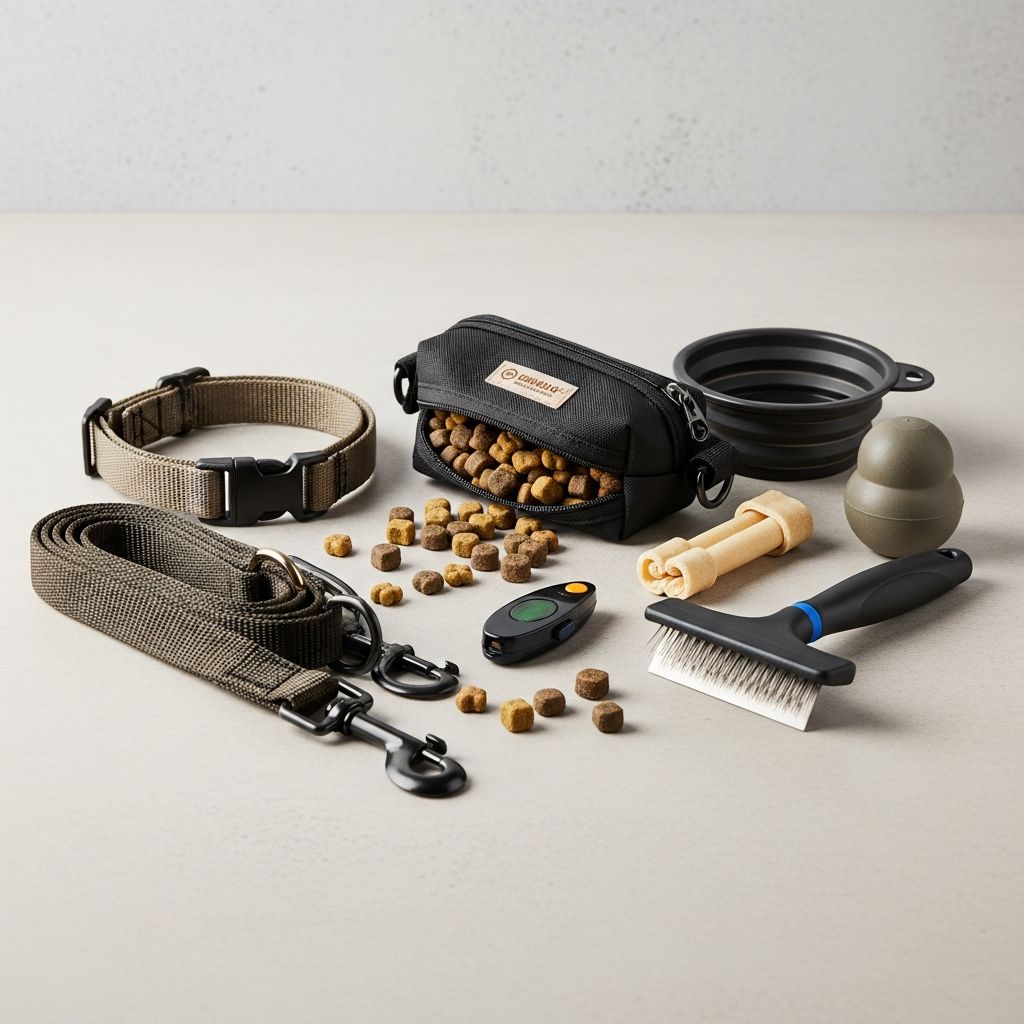
Training your dog requires the right combination of patience, consistency, and equipment. The best tools simplify commands, reinforce good behavior, and keep sessions engaging. This guide explores foundational items for basic obedience, advanced setups for agility and fitness, and practical accessories to enhance every session.
Building a Strong Foundation: Basic Obedience Essentials
Start with gear that supports core commands like sit, stay, and come. These items ensure safety and control while building trust between you and your dog.
- Comfortable Collars: Select a flat nylon collar matching your dog’s neck size—half-inch for small breeds, up to two inches for large ones. Quick-release buckles make handling easier for active pups.
- Standard Leashes: Opt for 4-6 foot lengths for optimal control during walks and reinforcement practice.
- Harness Options: Front-clip harnesses reduce pulling, ideal for strong pullers without straining the neck.
These basics prevent common issues like leash tangling or discomfort, setting the stage for reliable recall and loose-leash walking.
Reinforcement Tools for Positive Results
Positive reinforcement accelerates learning. Use these to mark and reward desired actions instantly.
| Tool | Purpose | Best For |
|---|---|---|
| Clicker | Precise sound marker for behaviors | All breeds, precision training |
| Treat Pouch | Quick access to rewards | Outdoor sessions, high-energy dogs |
| High-Value Treats | Motivation for tough tasks | Distractible or food-motivated pups |
A clicker provides clear feedback, faster than verbal praise alone. Pouches keep hands free, allowing seamless transitions between commands.
Leash and Walking Mastery Gear
Walking politely is a top priority. Specialized leashes and aids address pulling and build focus.
- Short training leashes (4 feet) for close control in crowded areas.
- Long lines (15-30 feet) for recall practice in open spaces.
- Adjustable hands-free options for runners or multi-taskers.
Combine with treats to teach heel position, turning chaotic walks into enjoyable routines.
Elevating Skills: Agility and Fitness Equipment
Once basics are solid, introduce dynamic tools for physical and mental stimulation. Agility boosts confidence and coordination.
Beginner Agility Sets
Compact indoor kits with tunnels, hurdles, and pause tables fit small spaces. Practice 15-20 minutes daily to mimic competition courses.
- Tunnels for speed drills.
- Weave poles (PVC for backyard durability).
- Jumps adjustable for size.
Fitness Platforms and Balance Tools
Stable platforms like Cato Boards or square targets teach foot placement and stability. Progress to wobble boards for core strength.
Stable before unstable: Master flat surfaces first to avoid injury and build proprioception—your dog’s sense of body position.
| Equipment | Skill Built | Setup Tip |
|---|---|---|
| Cato Board | Foot targeting, alignment | Use as ramp or prop at 45 degrees |
| Balance Disks | Core stability | Start on firm ground |
| Yoga Blocks/Wedges | Body awareness | Stack for height variation |
These tools enhance joint health and prevent boredom, crucial for high-energy breeds.
Comfort and Convenience Accessories
Supportive items make long sessions sustainable.
- Training Mats: Non-slip surfaces like microfiber or yoga mats for ‘place’ stays.
- Portable Water Bowls: Collapsible for hydration during outdoor work.
- Ramps: Foldable for car access or elevated platforms, easing strain on aging joints.
- Fetch Toys: Balls or discs for engagement and recall games.
Incorporate play to maintain enthusiasm, blending fun with discipline.
Competition-Ready Advanced Kit
For shows or trials, durable gear ensures peak performance.
- Muzzles for safe handling.
- High-quality collars for consistent cues.
- Bait bags for quick rewards.
Hydration and treats sustain focus amid distractions.
Training Session Best Practices
Maximize gear effectiveness with these strategies:
- Keep sessions short (5-15 minutes) to match attention spans.
- Vary locations to generalize skills.
- Track progress with a journal.
Pair tools with consistent cues for lasting results.
Frequently Asked Questions
What’s the best collar for training puppies?
A simple flat nylon with ID tags; avoid choke chains initially.
Do I need a clicker for basic training?
It’s highly effective for marking behaviors but verbal markers work too.
How do I choose agility equipment for small spaces?
Indoor kits with compact tunnels and adjustable jumps.
Are harnesses better than collars?
For pullers, yes—front-clip reduces pressure on the throat.
What treats motivate the most?
Soft, smelly ones like cheese or liver; size them small.
Safety First: Gear Selection Tips
Fit matters: Collars snug but finger-width loose; leashes tangle-free. Inspect regularly for wear. Consult vets for breed-specific needs.
References
- Guide Dogs for the Blind Puppy Raising Guidebook: Equipment and Supplies — Guide Dogs for the Blind. 2023. https://www.guidedogs.com/puppy-raising-guidebook/puppy-wellbeing-and-health/creating-a-safe-and-nurturing-home-environment/equipment-and-supplies
- Agility Equipment for Dogs: Beginner’s Guide to Training — Ultimate Pet Food. 2024. https://www.ultimatespetfood.com/agility-equipment-for-dogs-beginners-guide-to-training/
- Canine Fitness Equipment: Cheat Sheet — Canine Conditioning Coach. 2023. https://canineconditioningcoach.com/canine-fitness-equipment-cheat-sheet/
Similar Articles








Read full bio of Sneha Tete




