

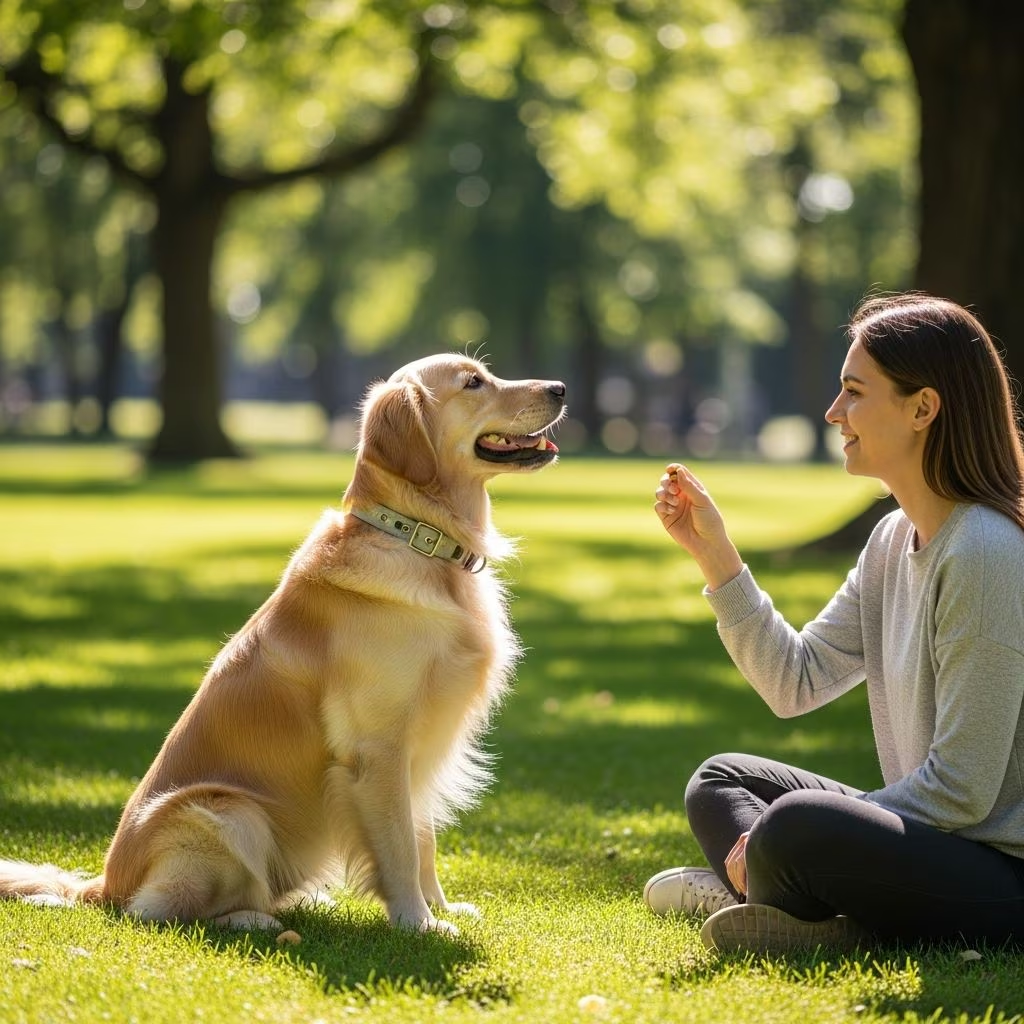
Dog training stands as a cornerstone of responsible pet ownership, offering multifaceted advantages that elevate the quality of life for both dogs and their human companions. Far beyond basic commands, it equips dogs to navigate the complexities of human environments while fostering mutual understanding and joy.
Transforming Everyday Behavior
One of the most immediate outcomes of consistent training is a marked improvement in a dog’s daily conduct. Dogs naturally exhibit instincts that can clash with household norms, such as excessive barking, furniture chewing, or uninvited jumping on visitors. Through structured sessions, pets discern acceptable actions from those that disrupt harmony, resulting in calmer living spaces.
Owners report fewer incidents of destructive habits, creating environments where families can relax without constant supervision. This shift not only preserves belongings but also minimizes frustration, allowing more time for positive interactions.
Boosting Safety for All
Safety emerges as a paramount gain from training, directly mitigating risks in dynamic settings. Commands like “sit,” “stay,” and “come” prove invaluable in averting mishaps, such as dashing into streets or engaging confrontational animals. With over 47,693 veterinarians in the U.S. addressing pet injuries—many preventable—training acts as a proactive shield.
In homes, it curtails door-dashing and boundary breaches, slashing injury potentials from falls or household hazards. Public outings become secure, as reliable recall prevents wanderings in parks or near traffic.
Fortifying the Owner-Pet Connection
Training sessions cultivate profound emotional ties, rooted in shared achievements and clear dialogue. Positive reinforcement—rewarding desired behaviors with treats or praise—builds trust, transforming routine drills into bonding rituals. Dogs perceive their owners as dependable guides, while humans gain insights into canine cues.
This synergy yields mutual respect, where dogs eagerly respond, and owners feel empowered. Milestones, from mastering fetch to doorbell composure, celebrate progress, weaving joy into daily life.
Enhancing Mental and Emotional Wellness
Dogs thrive on intellectual challenges; training delivers precisely that, warding off boredom-induced issues like digging or restlessness. New tricks and problem-solving tasks sharpen cognition, akin to puzzles for humans, promoting sharper, more content pets.
- Mental workouts prevent anxiety spikes during storms or fireworks.
- Desensitization techniques gradually expose dogs to stressors, fostering resilience.
- Confidence surges as successes accumulate, reducing fearfulness.
Anxious or shy dogs particularly flourish, gaining accomplishment senses that affirm their capabilities.
Mastering Social Dynamics
Socialization forms a training pillar, preparing dogs for diverse encounters. Group classes offer controlled arenas for mingling with peers and strangers, teaching etiquette like polite greetings and leash manners. This curbs aggression or panic around squirrels, passersby, or crowds.
Well-socialized dogs revel in outings—family trips, parks, or events—enhancing shared adventures. Owners enjoy stress-free interactions, from garden parties to jogs.
Embracing Lifelong Development
Training transcends puppyhood; it’s a perpetual journey suiting all ages. Adult dogs refine skills, seniors stay engaged, preventing cognitive decline. Lifelong commitment ensures adaptability, addressing evolving needs like mobility changes.
Owners evolve too, mastering communication to preempt issues, yielding obedient companions responsive anywhere—from vets to operas.
Practical Training Strategies
Success hinges on methods; positive reinforcement reigns supreme, leveraging rewards over punishment to boost confidence and eagerness.
| Method | Benefits | Examples |
|---|---|---|
| Positive Reinforcement | Builds trust, accelerates learning | Treats for sitting, praise for recalls |
| Desensitization | Reduces anxiety | Gradual noise exposure |
| Group Classes | Enhances socialization | Controlled play sessions |
| Consistency | Reinforces boundaries | Daily short drills |
Short, frequent sessions—5-10 minutes daily—maximize retention without fatigue. Tailor to breed traits; high-energy types like Border Collies crave agility, while laid-back breeds suit obedience.
Overcoming Common Hurdles
Challenges like short attention spans or regressions arise, but patience prevails. Track progress journals to celebrate wins, adjusting for plateaus. Professional trainers offer tailored guidance, especially for reactive dogs.
- Start young, but never delay—adults learn swiftly.
- Avoid mixed signals; family alignment is key.
- Integrate play for sustained engagement.
Real-World Applications
Trained dogs excel in vet visits, staying calm for exams, easing stress for all. Public venues welcome polite pets, expanding adventures. Home life streamlines with reliable routines, from mealtimes to bedtimes.
FAQs
Is dog training suitable for older dogs?
Absolutely. Dogs learn throughout life; seniors benefit from mental sharpness and joint-friendly exercises.
How often should training occur?
Daily 5-15 minute sessions yield best results, blending fun with focus.
What if my dog resists training?
Use high-value rewards and break tasks into micro-steps. Consult pros for underlying issues like anxiety.
Are group classes better than solo?
Groups excel in socialization; solo suits specific behaviors.
Does training prevent all problems?
It minimizes many, but consistency and environment matter. Pair with exercise and vet care.
In summary, investing in training reaps enduring rewards: safer, happier dogs and enriched companionships. Begin today for tomorrow’s triumphs.
References
- 7 Important Benefits of Dog Training — The Dog’s Spot. 2024-03-21. https://www.thedogsspot.com/blog/kansas-city-dog-blog/2024/3/21/5-important-benefits-to-training-your-dog
- 3 Benefits of Dog Training Services — Perrysburg Animal Hospital. N/A. https://www.perrysburganimalhospital.com/3-benefits-of-dog-training-services
- The Importance & Benefits of Dog Training — Scott Brand. N/A. https://www.scottbrand.com/en-us/tips-and-advice/pet-care/importance-and-benefits-dog-training
- The Importance of Training Your Dog — Loyal Companions Animal Hospital. N/A. https://loyal-companions.com/the-importance-of-training-your-dog/
- How Important is Dog Training? — Tufts University Cummings School of Veterinary Medicine. N/A. https://vet.tufts.edu/news-events/news/how-important-dog-training
- Five Benefits of Training Your Dog — Vet Wellness Center. 2024-01. https://vetwellnesscenter.com/wp-content/uploads/2024/01/Five-benefits-of-training-your-dog.pdf
- The Importance of Training Your Dog — AKC Pet Insurance. N/A. https://www.akcpetinsurance.com/blog/back-to-school-dog-training



