

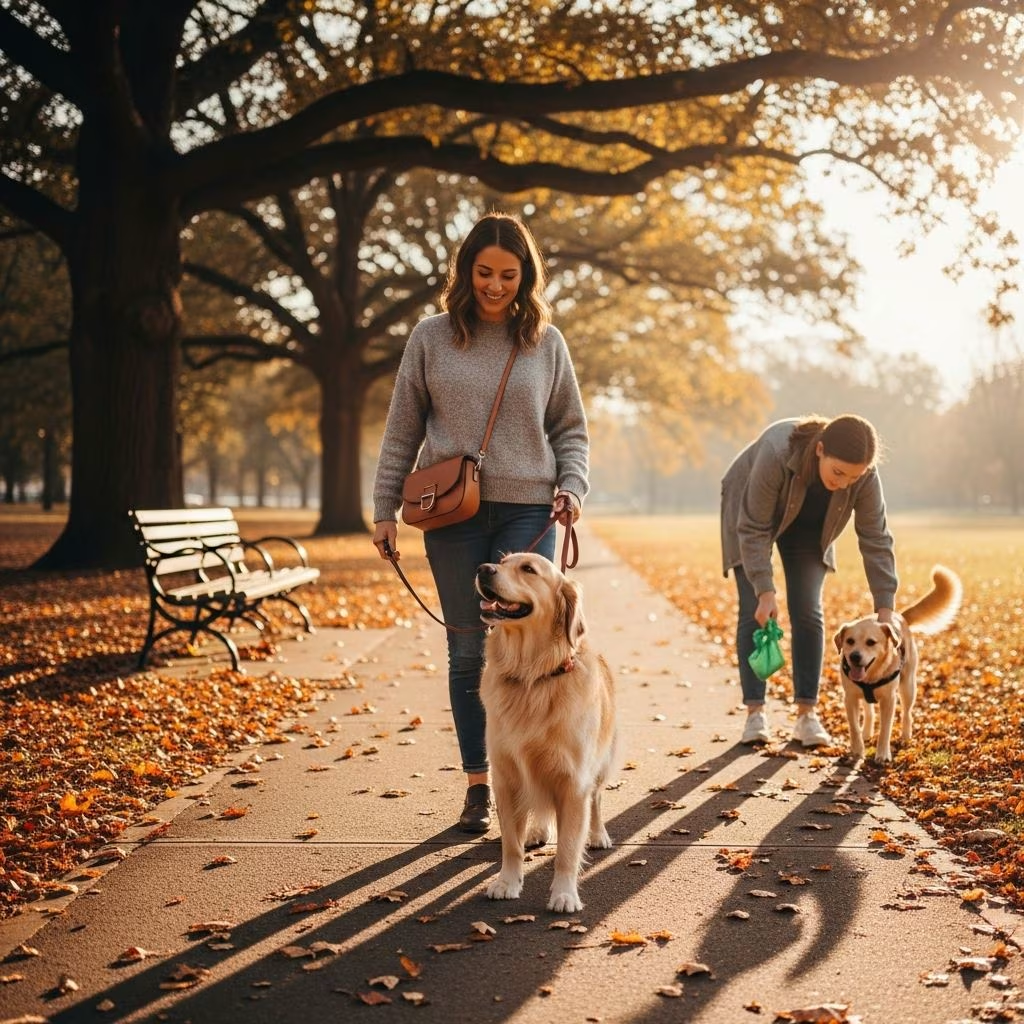
Responsible dog ownership extends beyond feeding and walks—it’s about respecting shared spaces and others’ comfort. Good etiquette ensures your dog is a joy, not a nuisance, strengthening community bonds while prioritizing safety for all.
Mastering Leash Discipline on Walks
Leashes are non-negotiable in most public areas, safeguarding your dog, passersby, and fellow pets. Local laws often mandate them, but etiquette demands more: maintain a firm grip to prevent lunging or tangling.
- Opt for a sturdy, short leash (4-6 feet) to keep control without restricting natural movement.
- Steer clear of retractable leashes in crowded zones—they extend too far and risk injury.
- Cross streets if your dog reacts strongly to others, granting everyone ample space.
During walks, position yourself between your dog and the curb or oncoming traffic. This simple habit models attentiveness and reduces hazards.
Cleaning Up: The Golden Rule of Waste Management
Failure to scoop poop tops complaints against dog owners. Carry multiple bags every outing—it’s a basic courtesy that preserves parks, sidewalks, and neighbors’ yards.
| Situation | Best Practice | Why It Matters |
|---|---|---|
| Public Parks | Bag and bin immediately | Prevents contamination and fines |
| Neighbor’s Lawn | Avoid or clean thoroughly | Respects property boundaries |
| Sidewalk | Double-bag if windy | Stops littering and odors |
If you forget, return promptly. Discourage marking on private items like tires or mailboxes by redirecting to grassy medians.
Polite Greetings: Consent First, Always
Not everyone adores dogs, especially unfamiliar ones. Always seek permission before allowing approaches—”May my dog say hello?” works wonders.
- Respect “no” without argument; fears, allergies, or past traumas may factor in.
- Train sits or downs for greetings to curb jumping, which endangers kids and seniors.
- For dog-to-dog meets, ensure both owners agree and keep leashes slack but controlled.
Phone distraction undermines safety—stay vigilant to intervene early.
Controlling Barking for Peaceful Neighborhoods
Barking signals alerts but turns disruptive when constant. Address it proactively to avoid neighbor friction.
Train a “quiet” command: reward silence post-bark. Management tactics include closed curtains for delivery sights and avoiding isolation outdoors, which amplifies boredom yaps.
- Indoor: Use white noise or toys to mask triggers.
- Outdoor: Supervise yard time; rotate enrichment to combat idleness.
- Chronic cases: Consult vets for anxiety roots or pros for behavior plans.
Home Visitor Protocols: Preparation is Key
Uninvited dog energy overwhelms guests. Prep ensures smooth visits.
- Exercise beforehand—a tired dog settles faster.
- Potty break right before arrival minimizes accidents.
- Crate or designate a “place” mat during meals to nix begging.
Inform visitors: ignore jumps, reward calm. Toys like stuffed Kongs occupy without intrusion.
Secure Containment: Yard and Home Safety
Fences beat freedom for containment. Check for escape routes like dig spots or jumps.
Never tether unsupervised—it’s stressful and risky. Rotate yard toys to sustain interest, curbing fence-fighting or endless woofs.
Training Foundations for Lasting Manners
Daily sessions (5-10 minutes) build reliability. Core commands: sit, stay, come, leave it.
- Positive reinforcement—treats, praise—outshines punishment.
- Groom regularly: spot health issues early, maintain neatness.
- Exercise 20-30 minutes daily; mix walks, fetch, puzzles for mental sharpness.
Well-trained dogs visit happily, reducing mishaps.
Off-Limits Zones: Respect Boundaries
Honor “no pets” signs—faking service status harms true needs.
Pre-call for house invites; allergies or phobias lurk. Public off-leash? Confirm designated areas only.
Daily Enrichment: Happy Dogs, Happy Neighbors
Boredom breeds trouble. Vary toys weekly, play sans roughhousing like tug.
Walks stimulate both body and mind—aim daily. Clean pups via baths and brushes prevent zoonotic spreads.
Frequently Asked Questions
What if my dog pulls on the leash?
Train with front-clip harnesses or head collars; stop walking on pulls, reward slack.
How do I stop yard digging?
Provide dig boxes with sand; supervise and redirect.
Is off-leash park play okay?
Only in fenced, rule-compliant areas; recall must be rock-solid.
What about multi-dog households?
Walk separately if reactive; equal attention prevents rivalry.
Reactive dog tips?
Counter-condition with distance; pros help for bites or fears.
Building Community Through Etiquette
Exemplary habits inspire reciprocity—chat with neighbors, share fence-line tips. Your vigilance elevates all pet parents.
References
- Dog Ownership Etiquette: How to Be a Good Dog Owner — American Kennel Club. 2023-05-15. https://www.akc.org/expert-advice/training/dog-ownership-etiquette/
- Neighborly Dog Ownership Etiquette — Ricki’s Pet Depot. 2022-08-10. https://rickispetdepot.com/blog/neighborly-dog-ownership-etiquette/
- Dog Owner Etiquette: The Do’s and Don’ts You Need to Know — ZippyPaws. 2021-09-01. https://zippypaws.com/2021/09/01/dog-owner-etiquette-the-dos-and-donts-you-need-to-know/
- Twelve Golden Rules of Dog Ownership — Pedigree. 2023-11-20. https://www.pedigree.com/dog-care-articles/twelve-golden-rules-dog-ownership
- Dog Etiquette Tips – Town Field and Park — University Park, MD. 2024-02-14. https://www.upmd.org/Blog.aspx?IID=280



