

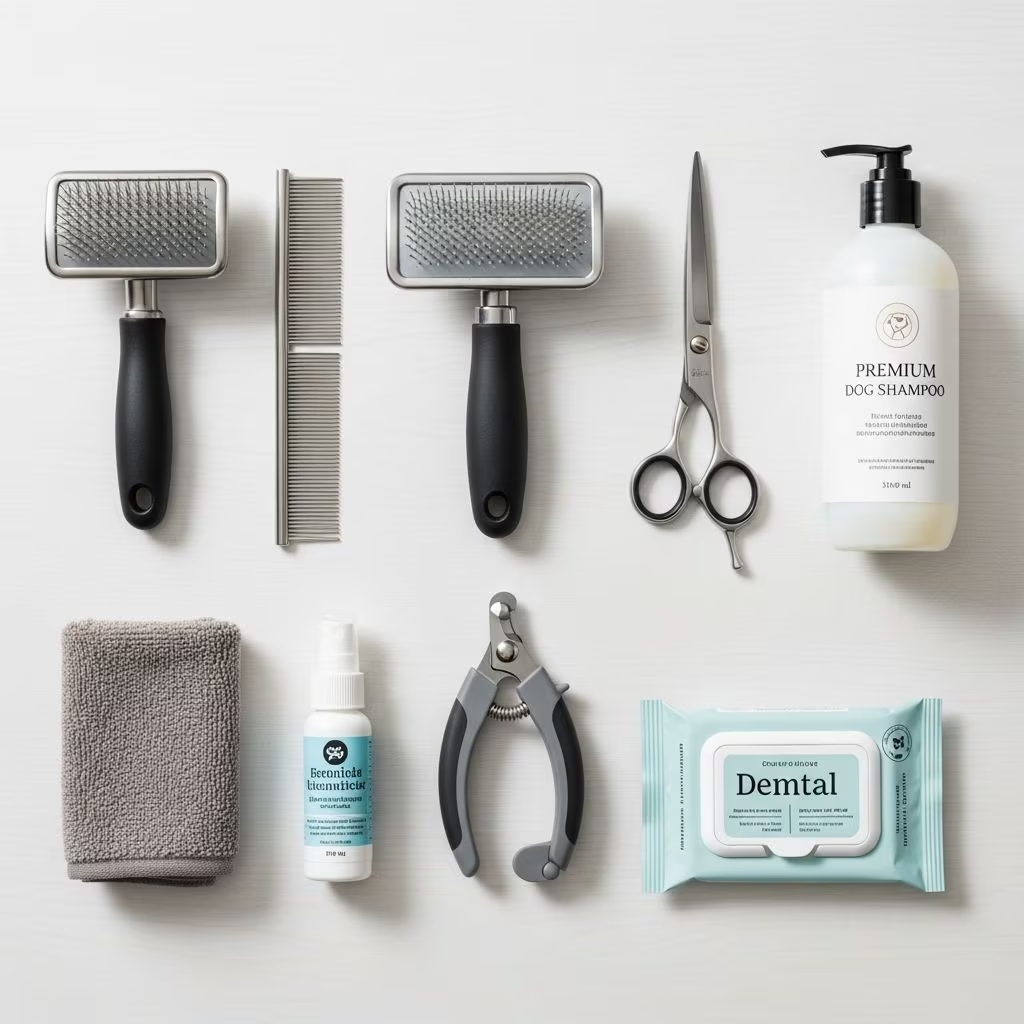
What’s better than a dog? A nicely groomed, fresh-smelling dog! At-home dog grooming sessions can be fast and fun if you have the right tools on hand. Grooming your dog at home not only saves money on professional grooming appointments but also strengthens the bond between you and your furry companion. Whether you have a long-haired breed, a short-coated pup, or a double-coated dog, having the proper supplies makes all the difference in keeping your pet looking and feeling their very best. Here are the top dog grooming supplies you need to keep most pups in excellent condition.
1. A High-Quality Dog Brush
A quality dog brush is one of the most important investments you can make for your pet’s grooming routine. Most dog brushes are a small investment, and if you don’t let them be used as chew toys, they might last for many years. When selecting a brush, look for one with smoothly finished teeth that won’t scratch or damage your dog’s skin or coat as you use it.
The type of brush you need depends on your dog’s coat type. If your dog falls into the “smooth-coated” category (think Pug, Greyhound, or Dalmatian), a rubber curry type brush, such as the Kong ZoomGroom brush, is an excellent option. This tool fits well in the hand and readily removes the short, shedding hair on smooth coats. For dogs with longer or more textured coats, a slicker brush is ideal for working through tangles and matted areas. Regular brushing not only keeps your dog’s coat healthy and shiny but also helps you spot any skin issues early on.
2. A Good Comb
A quality comb is an essential companion to your brush in your grooming arsenal. A steel pet comb, like those made by Andis, is designed for dogs of all sizes and removes tangles effectively. This comb is specifically designed to find trouble spots, such as small tangles or areas where dead hair is clumped up and hiding.
Here’s a pro grooming tip: Get your slicker brush out for those problem areas first, and then re-check with your comb to ensure you’ve removed all tangles. Be sure to comb from the skin to the tips of the hair and not just going over the top of the coat. This technique ensures you’re addressing mats and tangles at the root, preventing future matting and keeping your dog’s coat in pristine condition.
3. Coat Spray
Whether your dog has a smooth coat or long, flowing locks, a mist of coat spray before you begin to brush or comb is a smart grooming decision. A spritz of grooming spray will reduce static and help your grooming tools glide through your pet’s fur smoothly and easily. Coat spray is formulated to help you work through tangles and help prevent future ones while leaving a pleasant scent.
Grooming spray serves a dual purpose: it makes your grooming session more efficient and more comfortable for your dog. The lubricating properties of coat spray reduce the pulling and tugging that can cause discomfort during brushing, making grooming a more positive experience for your pet. Many formulas also contain conditioning agents that nourish the coat while you groom.
4. Bath Wipes for Quick Cleanups
Between full bath sessions, bath wipes are invaluable for quick cleanups. If your pet rolls on a dead bug, has goop in the corners of her eyes, muddy paws, or a questionable potty-area mess, bath wipes are great for spot cleaning without a full bath. Products like Nature’s Miracle deodorizing bath wipes are alcohol-free and formulated with a moisturizing conditioner to help keep your dog’s coat healthy and shiny.
Bath wipes are particularly useful for pet parents with busy schedules or dogs that don’t tolerate full baths well. They’re also great for maintaining freshness between grooming sessions and for quick cleanups after outdoor adventures. Keep a pack handy in your grooming supplies for convenience.
5. Dog Shampoo
If your dog no longer smells fresh, it’s time for a bath. A shampoo made specifically for pets, like Tropiclean’s gentle coconut shampoo, will help remove dirt without irritating your dog’s skin. Pet shampoos are formulated differently than human shampoos because they maintain the correct pH balance for canine skin.
Here’s a professional grooming tip: Pour a little dog shampoo in a cup or bowl and add a bit of warm water to dilute it. Then dip a cellulose kitchen sponge in the mix and wash your pet. The sponge enables you to get faces, paws, and private areas clean, and it helps you distribute the shampoo evenly over your pet’s entire body. This technique is especially useful for dogs that dislike having water poured directly on their heads.
6. Mild Dog Conditioner
Using a mild conditioner, like Tropiclean’s kiwi conditioner, after shampooing is an important step many pet owners overlook. Conditioner will help replace the natural oils that the shampoo removed from your dog’s skin. It is also formulated to smooth the cuticles of the hair shafts, leaving your dog’s coat smooth and shiny. In conjunction with good brushing and combing, conditioners can significantly help prevent tangled coats.
Be sure to rinse your pet completely after applying both shampoo and conditioner. Any residual product left on the skin can cause irritation and may attract dirt. A thorough rinse ensures your dog’s coat is clean, conditioned, and ready for drying.
7. Drying Supplies
After the bath, proper drying is crucial for maintaining your dog’s coat health and preventing matting. Microfiber dog towels and mitts will help you get your pet dry quickly and efficiently. When using dog towels, pat and squeeze the coat rather than rubbing, which can cause tangles to form and damage the hair shaft.
For those who want to invest in additional drying equipment, a high-velocity dog dryer, such as the MetroVac’s AirForce Commander two-speed dryer, will help dry your pet quickly and effectively. This type of dryer is especially well-suited for double-coated breeds, such as Shetland Sheepdogs, German Shepherds, and Pomeranians. It helps blow any dead undercoat out as it dries the dog and has enough power to make Poodle and Bichon coats achieve maximum fluffiness. High-velocity dryers are a worthwhile investment if you have a breed prone to matting.
8. Dog Nail Clippers
Maintaining your dog’s nails is a critical part of their overall health and grooming routine. If you want to take on the task of trimming your dog’s claws at home, plier-type trimmers are the safest choice. They are designed to be comfortable to hold and feature sharp blades for a clean, neat cut that won’t splinter or crack the nail.
It’s wise to have styptic powder, like Remedy+Recovery’s styptic powder, on hand in case a nail is accidentally trimmed too closely. If that happens, press a little powder on the nail tip and the bleeding will stop quickly. Styptic powder is an inexpensive insurance policy that every dog owner should have in their grooming kit. Regular nail trimming prevents painful nail overgrowth, reduces the risk of ingrown nails, and keeps your dog’s paws healthy.
Building Your Complete At-Home Grooming Kit
Creating a comprehensive grooming kit doesn’t require an overwhelming investment. Start with these eight essential items and build from there based on your dog’s specific needs. Consider your dog’s breed, coat type, and any specific skin or coat conditions when selecting products. A complete grooming kit gives you everything needed to maintain your dog’s appearance and hygiene between professional grooming appointments.
Storage is also important. Consider investing in a large storage box with a handle for easy storage and transportation of your grooming supplies. This keeps everything organized and accessible when you need it. Many pet parents find that dedicating a specific area or container to grooming supplies helps maintain a routine and ensures supplies are always on hand.
Tips for Successful At-Home Dog Grooming
Before you begin grooming, take time to familiarize yourself with the proper techniques. Watch instructional videos, read guides specific to your dog’s breed, and don’t hesitate to ask your veterinarian or professional groomer for advice. Start with short grooming sessions to help your dog become comfortable with the process. Make grooming a positive experience by using treats, praise, and a calm, patient demeanor.
Consider the environment where you’ll groom your dog. A well-lit, comfortable space with good drainage for bathing is ideal. Non-slip mats help prevent your dog from sliding during grooming, which reduces anxiety and makes the process safer for both you and your pet. If you’re planning to groom frequently, investing in a grooming table can make the process more comfortable for both you and your dog.
Frequently Asked Questions
Q: How often should I groom my dog at home?
A: Grooming frequency depends on your dog’s breed and coat type. Dogs with long coats typically need grooming 4-8 weeks, while short-coated dogs may only need grooming every 8-12 weeks. Regular brushing should be done weekly or more frequently to prevent matting and reduce shedding.
Q: Can I use human shampoo on my dog?
A: No, you should always use dog-specific shampoo. Human shampoo has a different pH balance than dog shampoo and can irritate your dog’s skin, cause itching, and disrupt the natural oils that protect their coat.
Q: What should I do if I accidentally cut my dog’s nail too short?
A: If you accidentally cut the quick and your dog’s nail bleeds, apply styptic powder immediately to stop the bleeding. Hold gentle pressure on the nail with the powder for a few seconds. If bleeding doesn’t stop after 5-10 minutes, contact your veterinarian.
Q: How do I know which brush to use for my dog’s coat type?
A: For smooth-coated dogs, use a rubber curry brush. For long-haired or double-coated dogs, use a slicker brush and comb combination. Ask your veterinarian or a professional groomer which tools work best for your specific breed.
Q: Is it necessary to use conditioner after shampooing?
A: Yes, conditioner is important as it replenishes natural oils removed by shampoo, reduces tangling, and keeps your dog’s coat shiny and healthy. It’s especially important for long-haired breeds prone to matting.
Q: Can I use a regular hair dryer on my dog?
A: Regular human hair dryers can get too hot and may frighten your dog. If you choose to use a dryer, invest in one designed specifically for dogs that operates at a safer temperature and noise level.
References
- 8 Essential Dog Grooming Supplies for At-Home Grooming — Chewy. 2024. https://www.chewy.com/education/dog/grooming/8-essential-dog-grooming-supplies-for-at-home-grooming
- Essential Dog Grooming Supplies Checklist — Animal Behavior College. https://www.animalbehaviorcollege.com/blog/animal-career-advice/grooming/dog-grooming-supplies/
- 7 Dog Grooming Essentials Every Pet Owner Needs — Wahl USA. https://wahlusa.com/expert-advice/grooming-pets/7-dog-grooming-essentials-every-pet-owner-needs



