

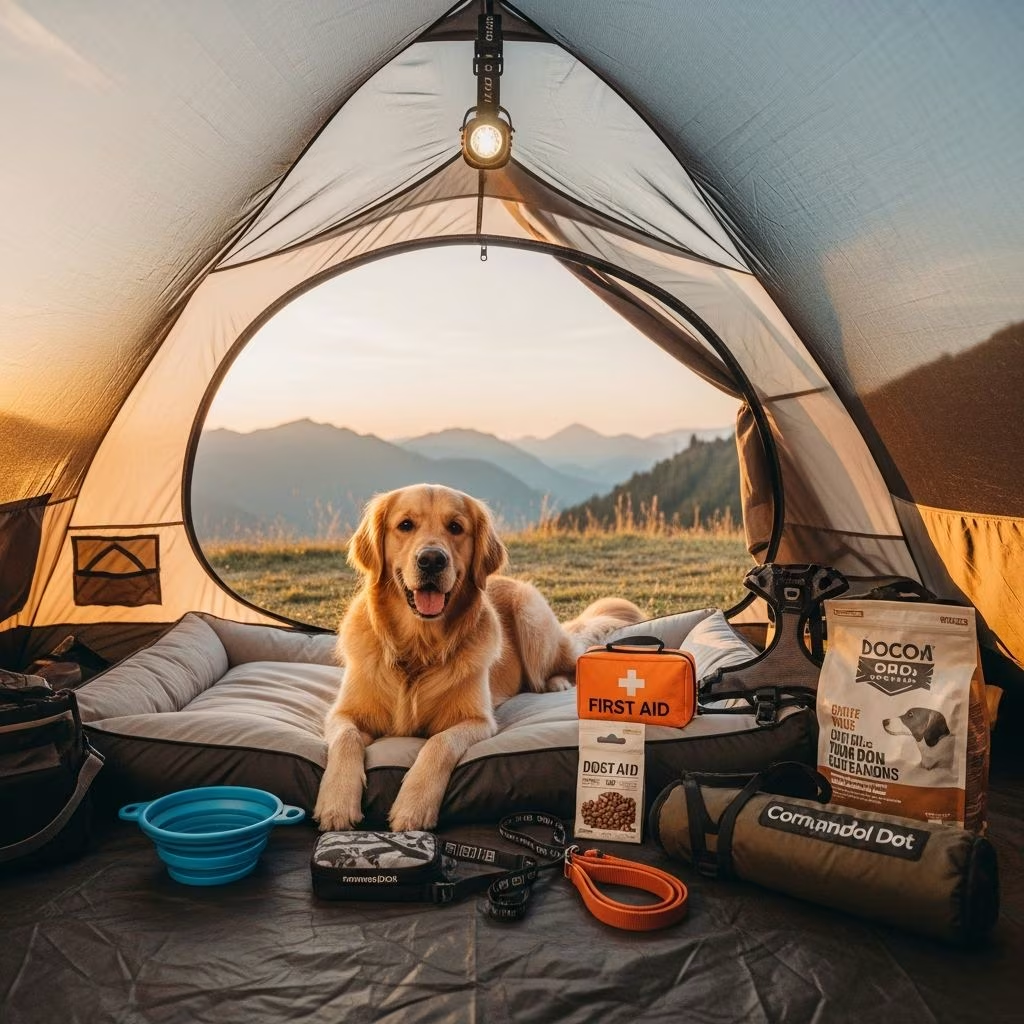
Essential Dog Camping Gear: Your Complete Outdoor Adventure Guide
Camping with your dog can be one of the most rewarding experiences you’ll share together, but proper preparation is essential to ensure safety, comfort, and enjoyment for both you and your furry companion. Whether you’re planning a weekend getaway to a nearby campground or embarking on a multi-day backcountry expedition, having the right gear makes all the difference. This comprehensive guide covers everything you need to know about selecting and packing dog camping gear for a successful outdoor adventure.
Essential Dog Camping Gear Must-Haves
Before you hit the trail, you’ll need to gather the fundamentals that every camping dog requires. These essentials form the foundation of a safe and comfortable camping experience.
Food and Water Supplies
Proper nutrition and hydration are non-negotiable when camping with your dog. Pack enough dog food for your entire trip, plus extra in case your adventure extends longer than planned. Bring collapsible food and water bowls to save space in your pack, and consider investing in a specialized dog food storage container that keeps kibble fresh and protected from moisture and pests. Always bring more water than you think you’ll need, as outdoor activities increase your dog’s hydration needs. High-quality water bowls that don’t tip easily will prevent spills at camp and ensure your dog stays hydrated throughout the day.
Leashes, Collars, and Harnesses
A reliable leash is absolutely critical for camping safety. Choose a leash made from durable, weather-resistant materials that can withstand outdoor conditions. A standard 6-foot leash works well for most situations, but consider bringing a longer leash for camping trips where your dog might need more freedom to explore safely. A well-fitting harness distributes pressure evenly across your dog’s body and is particularly valuable during hiking or when navigating technical terrain. For dogs that tend to pull, a front-clip harness offers better control. Look for harnesses with handles, which are invaluable for helping your dog over difficult sections of terrain or assisting them if they slip. A comfortable, secure collar with an ID tag ensures your dog can be identified if they wander off, and attaching a reflective or LED tag increases visibility during dawn, dusk, or nighttime activities.
Sleeping and Bedding Gear
Just like humans, dogs lose significant body heat through contact with cold ground. A quality sleeping mat or bed elevates your dog and provides insulation from the cold, damp earth. Inflatable dog mats designed for outdoor use offer durability against sharp claws and provide comfortable cushioning. Pair the mat with a lightweight, water-resistant dog sleeping bag specifically designed for camping. These specialized sleeping bags feature drawstrings and zippers to keep your dog warm and cozy on chilly nights. If your tent is large enough, allowing your dog to sleep inside provides security and warmth, though you may need to upgrade to a tent one person-size larger than your group to accommodate your pup comfortably. Avoid ultralight tents with delicate mesh, as dog claws can easily tear the material.
First Aid and Medical Supplies
A comprehensive dog first aid kit is essential for any camping trip. Include bandages, antibiotic ointment, tweezers for tick removal, pain relievers approved by your veterinarian, and any prescription medications your dog requires. Pack vet records and medical information in a waterproof container, and bring documentation of current vaccinations. Include a recent photo of your dog in case they become lost, making it easier for others to help identify them. Consider packing specialized items like booties to protect paws from sharp rocks, broken glass, or hot surfaces, and include duct tape for emergency wound coverage or gear repairs.
Waste Management
Always pack plenty of dog waste bags to leave no trace at your campsite. Responsible pet ownership means cleaning up after your dog immediately and disposing of waste properly. This protects the environment, keeps the campground clean for other visitors, and prevents the spread of parasites and disease. Many campgrounds require proof that you’ve cleaned up after your pet, so bring more bags than you anticipate needing.
Recommended Dog Camping Gear
While not absolutely essential, these items significantly enhance your dog’s comfort and safety during camping trips.
Grooming and Comfort Items
A dog brush helps maintain your dog’s coat and removes debris, mats, and parasites picked up during outdoor activities. A lightweight dog rain jacket provides protection during unexpected weather, keeping your dog dry and warm when temperatures drop or rain threatens. Extra towels are invaluable for drying your dog after water activities or wet weather exposure. A dog brush also helps identify ticks and parasites before they become problematic.
Advanced Leash and Harness Options
Upgrade your standard leash and harness for enhanced functionality and safety. Climbing rope leashes with locking carabiners offer durability and multi-purpose use, serving purposes from securing gear to assisting dogs over steep terrain. Swimming-specific leashes feature anti-rust clips and float on water, making them easier to grab if your dog swims. Reflective or LED harnesses increase visibility in low-light conditions, helping you spot your dog at dusk, dawn, or during nighttime activities. These upgrades make camping more enjoyable and safer for your dog.
Doggy Daypack and Gear Bags
A dog daypack allows your dog to carry supplies, distributing weight across their body and giving them a sense of purpose during hikes. Choose a well-fitting pack with adequate support and comfortable padding. Organize all your dog’s gear in a dedicated bag or backpack to keep everything accessible and prevent items from becoming lost or damaged. Waterproof dry bags protect medications, documents, and other essentials from moisture.
Protection Gear and Accessories
Emergency booties protect your dog’s paws during challenging conditions or if your dog sustains a minor injury. While they may seem optional, they’ve saved countless dogs from uncomfortable or dangerous situations. Paw protectants and wax balms offer an alternative to booties, protecting paws from road salt, ice accumulation, and sharp surfaces. Consider bringing at least one pair of emergency booties on any serious camping trip.
Food Storage and Bear Country Preparation
If you’re camping in bear or critter country, proper food storage becomes critical. Invest in a bear-proof container or bag specifically designed to prevent wildlife access to your supplies. These heavy-duty bags, often made from critter-proof materials, protect your food and your dog’s food from bears and other animals. Store all scented items including dog food, treats, and medications in these containers, away from your sleeping area. This prevents attracting dangerous wildlife and ensures your campsite remains open and accessible for future camping groups. Combine bear-proof storage with waterproof dry bags for maximum protection.
Tent Considerations for Camping with Dogs
Your tent choice matters significantly when camping with dogs. A standard tent may need to be one person-size larger than your group to accommodate your dog comfortably and safely. A tent with a three-season or four-season rating provides better insulation than ultralight models. Most importantly, avoid ultralight tents with fragile mesh, as dog claws can easily tear the delicate material. Snaggier zippers on lighter tents can also create problems during emergencies or quick bathroom breaks. A durable tent designed to withstand active use offers better value and reliability when camping with dogs.
Safety and Identification Gear
Light-up collars or LED beacons are invaluable for keeping track of your dog during low-light conditions. Even if your dog is leashed at camp, these devices make it easier to spot them quickly and prevent accidents. Reflective collars and tags provide visibility during dawn and dusk activities. An attachable ID tag with your contact information ensures that if your dog wanders off, other campers or park rangers can contact you immediately. Microchipping your dog before your trip provides an additional layer of protection, as microchips are permanent identification that a veterinarian can scan if your dog becomes lost.
Packing and Organization Tips
Organization prevents items from becoming lost or forgotten. Use separate bags or dry bags for different categories of gear: food and water supplies, medical items, clothing and protection gear, and toys. Label bags clearly so you can quickly locate what you need. Waterproof containers protect medications and important documents from moisture and damage. Keep a checklist of all items you’re bringing and check items off as you pack to avoid forgetting essentials. Take photos of your packed bags to remember where items are located and help you repack efficiently when breaking camp.
Weather-Specific Gear Considerations
Different seasons require different gear. During warm months, prioritize shade protection, extra water, and paw protection from hot surfaces. Spring and fall trips require lightweight jackets for temperature fluctuations. Winter camping demands insulated sleeping bags, booties for ice and snow protection, and protective coats. Always check the weather forecast before your trip and adjust your gear accordingly. Layering options give you flexibility to respond to changing conditions throughout your camping adventure.
Multi-Day Trip Essentials
Extended camping trips require additional planning. Pack extra food beyond what you anticipate using, as outdoor activities may increase your dog’s appetite. Bring additional waste bags for longer trips, and plan bathroom breaks into your daily schedule. Include extra medications if your dog takes prescriptions. Pack more first aid supplies, as the likelihood of minor injuries increases over multiple days. Consider portable dog toilets or designated bathroom areas to minimize environmental impact and keep your campsite clean.
Frequently Asked Questions
Q: What’s the most important item to bring when camping with my dog?
A: While several items are critical, a well-stocked first aid kit is arguably the most important. It prepares you for injuries, parasites, and health issues that might arise during your camping trip. Fresh water ranks equally high, as dehydration poses serious risks during outdoor activities.
Q: Do I need a special tent for camping with dogs?
A: You don’t necessarily need a specialized tent, but you should size your tent appropriately for your group plus your dog. Avoid ultralight tents with delicate mesh that dog claws can tear. Choose a durable tent that can withstand active use and provides adequate space for everyone to sleep comfortably.
Q: How do I keep my dog warm during cold weather camping?
A: Use an elevated sleeping mat to insulate your dog from the cold ground, pair it with a water-resistant dog sleeping bag, and consider a protective dog jacket for evening and early morning hours. Layers provide flexibility as temperatures change throughout the day. Allow your dog to sleep inside your tent when possible for additional warmth and security.
Q: What should I do if my dog gets injured while camping?
A: Use your first aid kit to treat minor injuries immediately. Clean wounds, apply antibiotic ointment, and wrap with bandages as needed. For serious injuries, locate the nearest veterinary clinic and seek professional care. This is why carrying vet records and knowing your dog’s medical history is essential.
Q: Are collapsible food and water bowls really necessary?
A: While standard bowls work, collapsible bowls save considerable space and weight in your pack. They pack down to minimal size and typically cost very little more than standard bowls, making them a practical choice for camping trips where space is limited.
Q: Should I bring booties for my dog’s camping trip?
A: Booties are optional but highly recommended, especially for longer trips, technical terrain, or if your dog has sensitive paws. At minimum, pack emergency booties for safety. They protect against sharp rocks, broken glass, hot surfaces, ice, and parasites, potentially saving your dog from injury or discomfort.
Q: How can I keep my dog safe from wildlife while camping?
A: Keep your dog on a leash at all times, unless you’re in a completely enclosed area. Use a bear-proof food container for all food and scented items. Keep your dog close during dawn and dusk when wildlife is most active. Consider a light-up collar or LED beacon for visibility. Never allow your dog to eat unfamiliar food or investigate suspicious animals.
Q: What’s the best way to pack all my dog’s camping gear?
A: Use waterproof dry bags to organize gear by category. Keep frequently used items accessible at the top of your pack. Use a checklist to track everything you’re bringing and check items off as you pack. Label bags clearly. Taking photos of packed bags helps you remember what’s where and allows efficient repacking when leaving camp.
References
- The Ultimate Guide To Camping With Your Dog – KOA — KOA (Kampgrounds of America). Retrieved November 2025. https://koa.com/blog/tips-from-camping-with-dogs/
- Camping with Your Dog 101 — Wilderdog. Retrieved November 2025. https://www.wilderdog.com/blogs/weeklywoof/camping-101
- Our Best and Tested Gear for Camping with Dogs — The Dog Walks Me. 2021. https://www.thedogwalksme.com/2021/01/17/our-best-camping-gear-for-dogs/
- Checklist for Camping With Your Dog — OllyDog Camping Gear. Retrieved November 2025. https://ollydog.com/blogs/ollyblog/camping-with-dogs-checklist
- How To Camp With Your Dog: What to Pack + Tips — Reckless Roaming. Retrieved November 2025. https://recklessroaming.com/camping-with-your-dog/
- Camping Checklist for Bringing Along Pets — Mountain House. Retrieved November 2025. https://mountainhouse.com/blogs/camping/camping-checklist-for-bringing-along-pets



