
Essential DIY Dog First Aid Kit Guide
Build your own comprehensive dog first aid kit with must-have items to handle emergencies confidently and keep your pet safe anytime, anywhere.
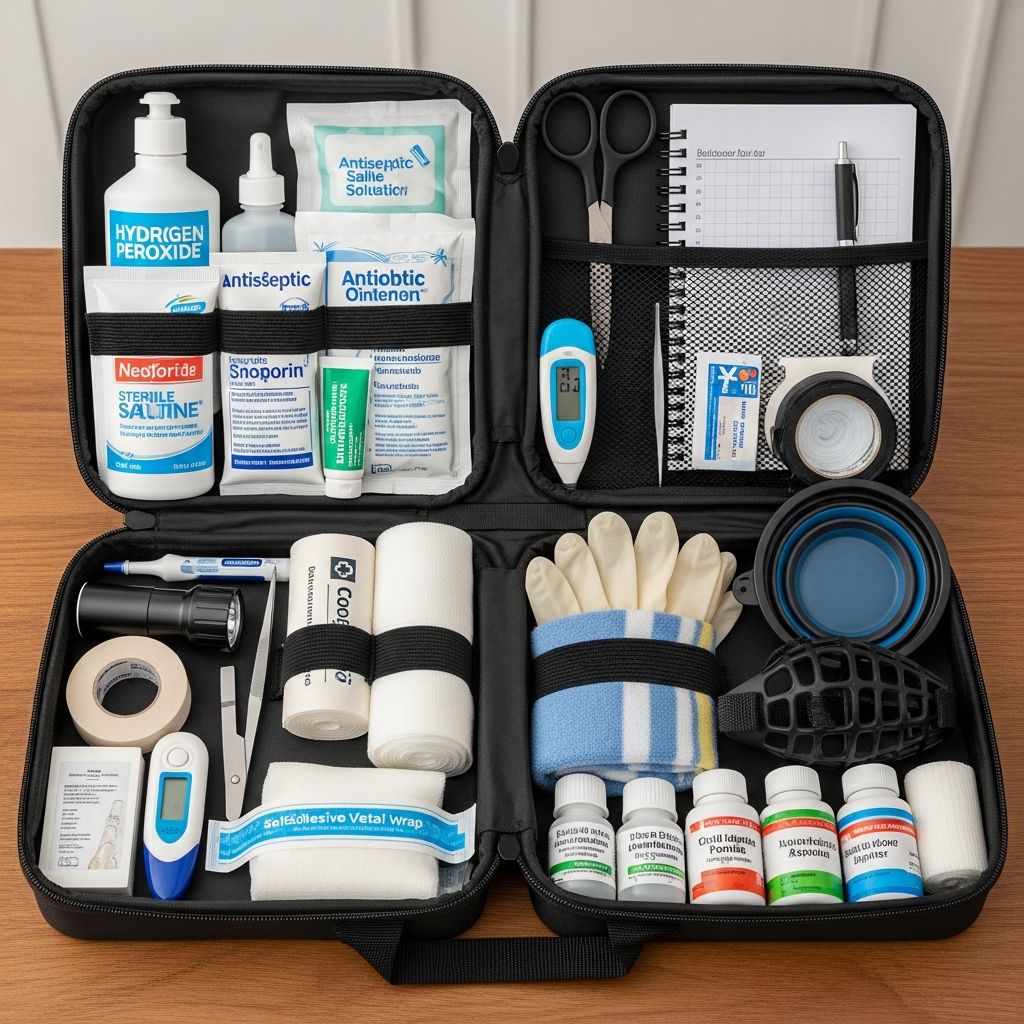
Preparing a dedicated first aid kit for your dog can make all the difference in managing unexpected injuries or illnesses. Whether you’re hiking in the woods, traveling by car, or relaxing at home, having the right tools on hand allows you to provide immediate care while seeking professional veterinary help. This guide outlines a complete list of indispensable items, explains their uses, and offers practical assembly tips to ensure you’re ready for any situation.
Why Every Dog Owner Needs a Custom First Aid Kit
Dogs explore the world with boundless energy, often leading to scrapes, cuts, allergic reactions, or other mishaps. A well-stocked kit bridges the gap between an incident and vet care, potentially preventing minor issues from escalating. According to veterinary recommendations, kits should be portable, regularly checked for expiration, and tailored to your dog’s size, breed, and health needs. Start with a waterproof container like a tackle box or backpack for easy transport and organization.
Core Bandaging and Wound Care Supplies
Wounds are among the most common dog emergencies, from paw cuts to bite injuries. Stock these fundamentals to clean, protect, and dress injuries effectively.
- Gauze Pads and Rolls: Use 2×2-inch and 4×4-inch sterile pads for absorbing blood and covering wounds. Rolled gauze secures dressings without sticking to the injury.
- Self-Adhering Wraps: Vet wrap or cohesive bandages like CoFlex stick to themselves but not fur or skin, ideal for limbs and torsos.
- Adhesive Tape and Elastikon: Secure outer layers with stretchy, sticky tape that conforms to body shapes.
- Antibiotic Ointment: Apply thinly to prevent infection after cleaning; choose pet-safe formulas.
For best results, layer bandages snugly but not tightly—check circulation by ensuring toes remain warm and pink. Replace every few hours or if soiled.
Cleaning and Disinfecting Essentials
Clean wounds promptly to avoid contamination. Include these for safe irrigation and antisepsis.
- Sterile Saline or Eye Wash: Flush debris from eyes, ears, or cuts; available in pods or bottles.
- Antiseptic Wipes or Mild Soap: Gently clean around wounds without harsh chemicals like alcohol, which stings and delays healing.
- Hydrogen Peroxide (3%): Use sparingly for initial bubbling to lift dirt, then rinse thoroughly—excess can harm tissue.
- Cotton Swabs and Pads: Precision application for ointments or small areas.
Always pat dry before bandaging to promote healing. For deep punctures, avoid home cleaning and head to a vet immediately.
Tools for Precision Handling
Specialized tools ensure safe manipulation of injuries without causing further harm.
| Tool | Purpose | Tips |
|---|---|---|
| Blunt-Tipped Scissors | Cut tape, gauze; trim fur around wounds | Curved blades prevent accidental pokes |
| Tweezers or Tick Remover | Extract splinters, ticks, thorns | Grasp close to skin; disinfect after |
| Nail Clippers and Styptic Powder | Trim broken nails; stop nail bleeding | Dip clippers in antiseptic between uses |
| Eye Dropper or Syringe | Flush eyes/wounds; administer liquids | No-needle plastic for safety |
These items fit compactly and multitask effectively during crises.
Safety and Restraint Gear
Injured dogs may bite out of fear or pain, so prioritize control measures.
- Muzzle or Elizabethan Collar: Prevents self-injury or licking wounds; basket-style allows panting.
- Slip Leash and Spare Collar: Secure a panicked dog without collars slipping off.
- Disposable Gloves: Nitrile preferred for allergy-free protection from fluids.
- Large Towel or Blanket: Wrap for restraint, warmth, or sling support for limps.
Practice fitting these on your dog during calm times to build familiarity.
Medications and Temperature Management
- Benadryl (Diphenhydramine): For allergic reactions or insect stings; dose at 1mg/lb, consult vet first.
- Instant Cold/Hot Packs: Reduce swelling (cold) or combat hypothermia (warm); wrap in cloth.
- Pet Thermometer (Rectal): Monitor temperature (normal 100-102.5°F); lubricate tip.
- Epsom Salts: Soak paws for swelling or abscesses.
Never give human pain meds like ibuprofen—toxic to dogs. Include 3-5 days of your dog’s regular meds and probiotics for gut upset.
Nutrition and Documentation
Sustained emergencies require sustenance and records.
- Food and Water Supply: 3-5 days’ worth in waterproof bags.
- Treats: Reward calm behavior during treatment.
- Emergency Contacts Card: Vet, poison control (ASPCA: 888-426-4435), owner info.
- Health History Sheet: Meds, allergies, vaccine dates.
Laminate cards for durability. Digital backups on phone are wise too.
Building and Maintaining Your Kit
Assemble in a labeled, portable case. Check bimonthly: restock expirables, test tools. Customize for adventures—add tick prevention for trails. Cost: $50-100 for basics. Store in car, home, and travel bag.
Train via pet first aid classes from Red Cross or AVMA resources. Practice scenarios like mock wounds to build confidence.
Common Scenarios and Kit Usage
Bleeding Paw: Clean, apply styptic if nail, bandage, monitor.
Snake Bite: Immobilize, cold pack, rush to vet—no tourniquet.
Heatstroke: Cool with wet towels, offer ice water slowly.
Recognize limits: heavy bleeding, seizures, unconsciousness demand immediate vet ER.
Frequently Asked Questions
What if my dog eats something toxic?
Don’t induce vomiting unless vet instructs—use hydrogen peroxide if directed (1 tsp/10lbs). Call poison hotline immediately.
How often should I update the kit?
Every 6 months; replace meds, wipes, batteries in thermometer.
Is a store-bought kit enough?
Good start, but customize with dog-specific items like nail tools.
Can I use human first aid on dogs?
Some overlap (gauze, scissors), but avoid human meds; pet formulations safer.
What for travel?
Compact version with multiples for group hikes.
Advanced Tips for Proactive Owners
Incorporate natural aids like organic eye cleansers for irritations or hydrogels for hot spots. For breeds prone to issues (e.g., short-nosed for breathing), add extra airway tools. Pair with microchip info and pet insurance details in kit.
Empower yourself with knowledge: apps like Pet First Aid offer step-by-step guidance. Regular vet checkups reduce emergency needs but don’t replace preparedness.
References
- Dog First Aid Kit: 21 Must-Have Items for the Best Kit — ToeGrips. 2023. https://toegrips.com/dog-first-aid-kit/
- Dog First Aid Kit | 50 Essential Items & Pet First Aid Guide — Kurgo. 2024. https://www.kurgo.com/dog-first-aid-kit
- Emergencies and First Aid in Dogs — Blue Cross. 2023. https://www.bluecross.org.uk/advice/dog/basic-first-aid-for-dogs
- 16 Must-Haves In Your Dog’s First Aid Kit — Tomlinson’s Feed. 2024. https://tomlinsons.com/blogs/articles/16-must-haves-in-your-pets-first-aid-kit
- 10 Must-Have Items for Your Pet First-Aid Kit — PetMD. 2023-05-15. https://www.petmd.com/general-health/must-have-items-for-pet-first-aid-kit
- First aid tips for pet owners — American Veterinary Medical Association (AVMA). 2024. https://www.avma.org/resources-tools/pet-owners/emergencycare/first-aid-tips-pet-owners
- First Aid Kit for Pets — American Red Cross. 2022. https://www.redcross.org/content/dam/redcross/atg/PDF_s/Preparedness___Disaster_Recovery/Disaster_Preparedness/Home_Fire/First_Aid_Kit_for_Pets.pdf
Similar Articles








Read full bio of Sneha Tete




