

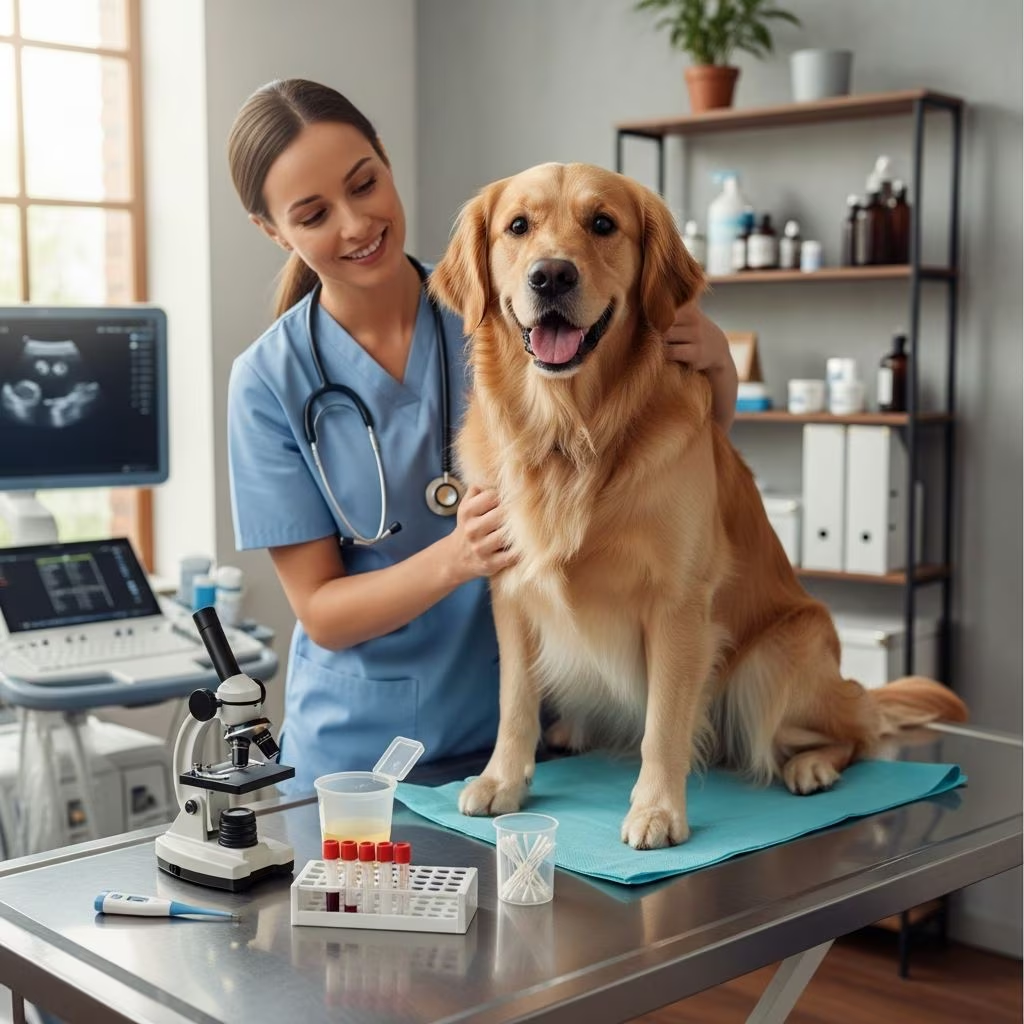
Diagnostic testing forms the backbone of modern veterinary care for dogs, allowing veterinarians to identify hidden health problems before they escalate. These tests range from simple blood draws to sophisticated imaging, providing critical data on organ function, infections, and structural abnormalities. By understanding these tools, dog owners can make informed decisions about preventive care and timely interventions.
Why Diagnostic Testing Matters for Canine Health
Routine and targeted diagnostics enable early detection of conditions like kidney disease, diabetes, or heart issues, which often show no obvious symptoms initially. For instance, senior dogs benefit from annual screenings to monitor age-related decline, while breeds prone to specific ailments, such as Golden Retrievers with cancer risks or Dachshunds with spinal problems, require tailored evaluations. These tests not only confirm diagnoses but also guide treatment plans, improving outcomes and quality of life.
Proactive testing reduces emergency visits and healthcare costs over time. Veterinarians recommend wellness panels for puppies, adults, and seniors, adjusting frequency based on lifestyle, travel history, and genetics.
Fundamental Blood Tests: The Starting Point
Blood analysis is the most frequently used diagnostic tool, offering a snapshot of overall health. A **complete blood count (CBC)** measures red and white blood cells, platelets, and hemoglobin, revealing anemia, infections, or clotting disorders.
The **biochemistry panel** assesses liver, kidney, and pancreatic function, electrolyte balance, proteins, and glucose levels. Elevated enzymes might indicate organ stress, while abnormal glucose could signal diabetes.
- Thyroid screening: Crucial for breeds like Huskies, detecting hypothyroidism that causes lethargy and weight gain.
- Heartworm antigen test: A quick blood draw to identify parasitic infections prevalent in mosquito-heavy areas.
Samples are drawn via venipuncture, often during routine exams, with results available in hours from in-house labs.
Urinalysis: Insights into Urinary and Kidney Health
Urine testing evaluates kidney efficiency, detects infections, crystals, or diabetes through specific gravity, pH, proteins, glucose, and sediment analysis. Owners can collect free-catch samples, though vets may use cystocentesis for accuracy.
Common findings include:
- Bacteria or white blood cells signaling UTIs.
- Crystals hinting at stone formation.
- Protein loss indicating glomerular disease.
For seniors or symptomatic dogs (increased thirst, accidents), this pairs with bloodwork for a full renal profile.
Fecal Exams: Guarding Against Parasites
Stool analysis screens for intestinal worms, giardia, and other parasites via microscopic examination or antigen tests. Fresh samples, collected at home, allow early intervention before diarrhea or weight loss appears.
Puppies and dogs in parks or kennels need quarterly checks, as dewormers alone miss some pathogens.
Imaging Technologies: Visualizing the Interior
Non-invasive imaging reveals structural issues invisible to blood tests.
X-Rays (Radiography)
X-rays excel at diagnosing fractures, arthritis, lung diseases, and tumors. Sedation ensures stillness for clear images of bones, chest, and abdomen. Portable units make this accessible in most clinics.
Ultrasound Scans
Using sound waves, ultrasound provides real-time views of soft tissues like heart, liver, kidneys, and pregnancies. No radiation involved, it’s ideal for fluid detection or masses.
Comparison of Imaging Options:
| Test | Best For | Invasiveness | Sedation Needed? |
|---|---|---|---|
| X-Ray | Bones, lungs, heart size | Low | Sometimes |
| Ultrasound | Organs, fluid, fetuses | Low | Rarely |
| CT Scan | Detailed slices of chest, spine, head | Moderate | Usually |
Advanced Options: CT, MRI, and ECG
**CT scans** offer cross-sectional views for complex cases like nasal tumors or spinal injuries, combining precision with speed. **MRI** uses magnets for unparalleled soft tissue detail, especially neurological issues, though costlier and requiring anesthesia.
An **electrocardiogram (ECG)** graphs heart rhythms via chest electrodes, spotting arrhythmias non-invasively. Essential for breeds like Boxers prone to cardiomyopathy.
Specialized Tests for Targeted Concerns
**Biopsy or cytology** involves sampling lumps or fluids for cancer checks under microscopy. **Blood pressure measurement** screens hypertension affecting kidneys and eyes in older dogs. Allergy panels identify skin irritants via blood or intradermal tests.
When to Schedule Diagnostic Tests
Wellness Schedule:
- Puppies: 3-4 times first year for vaccines, parasites.
- Adults (1-7 years): Annually, plus heartworm.
- Seniors (7+): Biannually, including blood pressure, imaging if needed.
Seek immediate tests for vomiting, limping, coughing, or appetite changes.
Understanding Results and Next Steps
Vets interpret results against breed/age norms, explaining ranges and trends. Normal panels establish baselines; abnormals prompt retests or specialists. Owners should track changes over time.
Cost Considerations and Insurance
Basics like bloodwork cost $100-300; advanced imaging $500-2000+. Pet insurance often covers diagnostics, emphasizing prevention.
Frequently Asked Questions (FAQs)
What are the most routine tests for dogs?
Bloodwork (CBC, chemistry), urinalysis, fecal exams, and heartworm tests form the core annual wellness panel.
How often do healthy dogs need blood tests?
Once yearly for adults; more for seniors or at-risk breeds.
Is sedation always required for imaging?
No, but often for X-rays, CT, or MRI to ensure quality images.
Can I collect samples at home?
Yes for urine and fecal; blood requires professional draws.
Do all clinics offer MRI or CT?
No, referrals to specialists are common for these.
Empowering Owners for Better Outcomes
Knowledge of diagnostics equips you to advocate for your dog. Discuss breed risks and symptoms with your vet to customize plans. Early detection through these tests can extend life and enhance joy.
References
- Types of Diagnostic Tests for Pets — Ygnacio Animal Hospital. 2024-04-15. https://www.ygnacioanimalhospital.com/site/blog/2024/04/15/types-diagnostic-tests-pets
- Common Diagnostic Tests Used in Pet Care Clinics — Mission Road Animal Clinic. N/A. https://www.missionroadanimalclinic.com/common-diagnostic-tests-in-pet-care-clinics/
- Types of Diagnostic Tests for Pets — Dells Animal Hospital. 2024-01-31. https://www.dellsanimalhospital.net/site/blog/2024/01/31/types-diagnostic-tests-pets
- How Diagnostic Lab Testing Helps Your Pet Feel Better Faster — Pet Method DFW. N/A. https://www.petmethoddfw.com/blog/how-diagnostic-lab-testing-helps-your-pet-feel-better-faster
- Types of Diagnostic Tests for Dogs & Cats — Berkeley Dog and Cat. 2023-12-15. https://www.berkeleydogandcat.com/site/blog/2023/12/15/pet-diagnost-test
- Dog Health: What Tests Your Vet Should Run and When — PetMD. N/A. https://www.petmd.com/dog/care/veterinary-tests-for-dogs



