
Essential Cat Wound Care Guide
Master step-by-step first aid for your cat's injuries, from stopping bleeds to preventing infections and knowing when vets are essential.
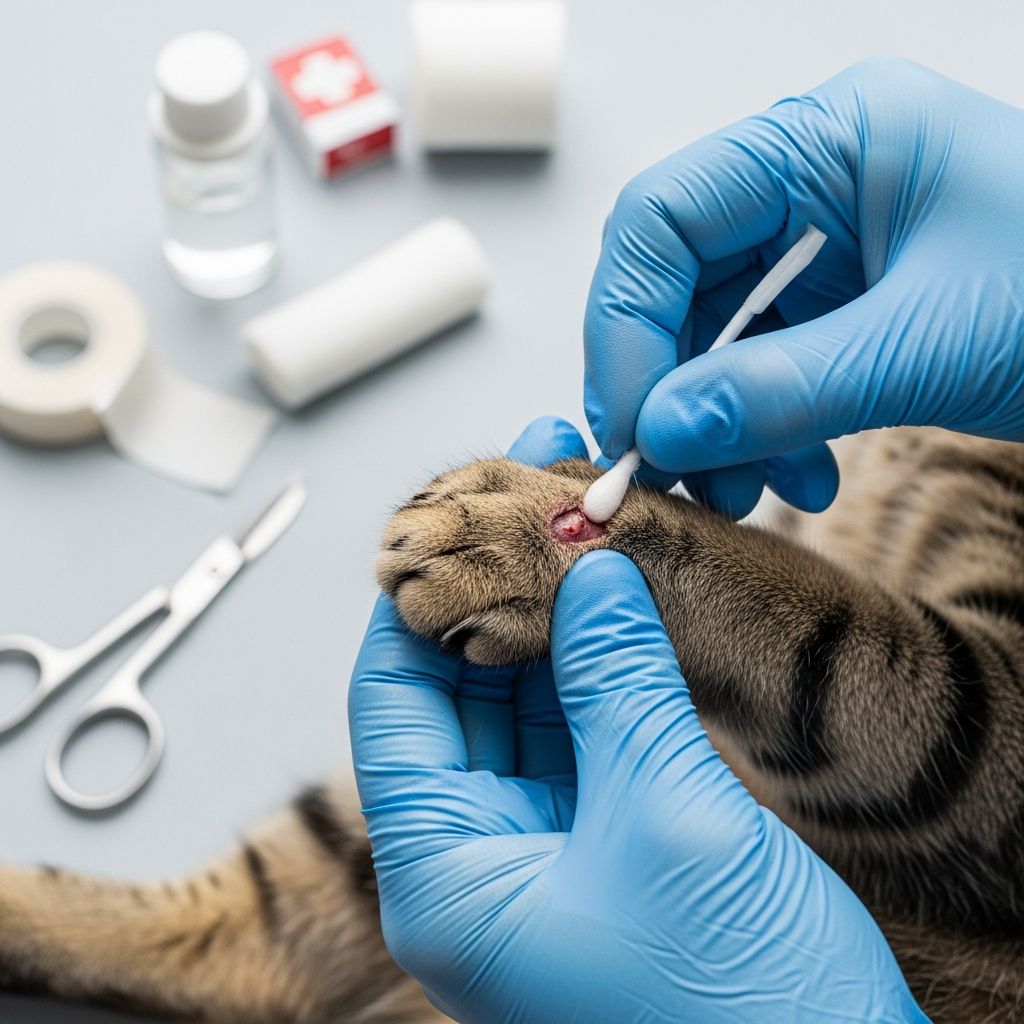
Cats often sustain injuries from fights, falls, or scratches, requiring prompt home care to promote healing and avoid complications. Proper techniques can prevent infections and support recovery effectively.
Understanding Common Feline Injuries
Feline wounds vary widely, from superficial scratches to deep punctures prone to abscesses due to bacteria from bites. Outdoor cats face higher risks from territorial scuffles, while indoor ones might get hurt by sharp objects or accidents.
Bite wounds are particularly dangerous because cats’ sharp teeth create small entry points that trap saliva and dirt, leading to rapid infections. Abrasions and lacerations demand immediate attention to minimize scarring and pain.
Assembling Your Cat First Aid Kit
Prepare a dedicated kit for quick response. Essential items include:
- Sterile saline solution or syringes for flushing
- Clean cloths, sterile gauze, and non-stick pads
- Antimicrobial gels safe for cats, like hydrogel sprays
- Clippers for fur trimming
- Self-adhering bandages (e.g., CoFlex), rolled gauze, and padding
- Recovery cone (e-collar)
- Medical gloves and lubricant for clipping
Stock these from veterinary suppliers to ensure quality.
Initial Response: Controlling Bleeding
The priority is staunching blood flow. Apply firm pressure with sterile gauze or a clean cloth for 5-15 minutes, depending on wound depth. Elevate the area if possible without causing stress.
If bleeding persists beyond 10-15 minutes or soaks through multiple layers, rush to an emergency vet—arterial damage may be involved. Avoid tourniquets unless instructed by professionals.
Step-by-Step Wound Cleaning Process
Once bleeding stops, gently clear debris. Clip surrounding fur using lubricant to prevent contamination, then flush with saline or mild iodine solution via syringe. Pat dry without rubbing.
Avoid hydrogen peroxide, alcohol, or essential oils—these damage healthy tissue and delay healing. For minor wounds, this home flush reduces bacteria significantly.
Applying Protective Antimicrobial Treatments
After cleaning, apply cat-safe antimicrobial hydrogel directly to the site. These products create a barrier against bacteria, hydrate tissue, and accelerate cell regrowth without stinging.
Spray on clean wounds or dressings; reapply during bandage changes. This step is crucial for bite wounds, which infect quickly.
Mastering Bandage Application Techniques
Bandages protect and absorb exudate. Use a four-layer system for optimal results:
| Layer | Purpose | Material |
|---|---|---|
| 1. Contact (Dressing) | Direct wound coverage, allows drainage | Non-adherent pad or sterile gauze |
| 2. Absorbent | Soaks up fluids | Rolled cotton or cast padding |
| 3. Support | Stabilizes layers | Rolled gauze |
| 4. Outer Secure | Holds everything, provides compression | Self-adhering wrap like CoFlex |
Ensure even pressure to avoid swelling; change daily or if soiled. Tailor to location—lighter for limbs, padded for torso.
Preventing Self-Trauma During Recovery
Cats instinctively lick wounds, introducing bacteria. Fit an e-collar immediately to block access. Soft fabric alternatives reduce stress for tolerant cats.
Confine to a quiet space, monitor play, and distract with toys. This prevents reopening and contamination.
Daily Monitoring and Reassessment
Inspect twice daily: check for heat, swelling, odor, pus, or color changes. Healthy healing shows pink granulation tissue; black or yellow indicates necrosis needing vet removal.
Re-clean and re-treat as needed. Track progress with photos for vet consultations.
Red Flags: When to Seek Veterinary Care
Not all wounds suit home care. Contact a vet urgently for:
- Deep punctures, exposed bone/muscle, or heavy bleeding
- Infection signs: fever, lethargy, pus, foul smell, or lameness
- Wounds on face, chest, abdomen, or joints
- Any change after 24-48 hours
Vets may sedate for debridement, drain abscesses, prescribe antibiotics, or suture under sterile conditions.
Advanced Treatments from Professionals
For infected or older wounds, vets open them for drainage before closing. Foreign bodies require imaging or exploration. Drains, staples, or surgical glue close complex lacerations.
Antibiotics target cat-specific bacteria like Pasteurella. Follow-up ensures full recovery.
Preventing Future Cat Injuries
Neuter to curb fighting, supervise outdoors, trim claws, and remove hazards. Microchip for lost fighters. Vaccinate against rabies.
Regular checkups catch abscess tendencies early.
Frequently Asked Questions (FAQs)
Can I use human wound products on my cat?
No—many irritate feline skin or delay healing. Stick to vet-approved antimicrobials.
How long does a cat wound take to heal?
Minor ones: 7-14 days; deeper with infection: 2-4 weeks or more under vet care.
Is it okay if my cat licks a little?
Minimal licking is common but risky—use e-collar to minimize.
What if the wound smells bad?
Immediate vet visit; likely abscess or deep infection.
Should I shave all fur around the wound?
Only close perimeter to avoid stress and contamination.
References
- Cat Wound Care: A Guide — Johns Creek Vets. 2023-04-15. https://www.johnscreekvet.com/site/blog/2023/04/15/cat-wound-care-guide
- Healing Cat Wounds: Cleaning, Care, and When to See a Vet — Vetericyn. N/A. https://vetericyn.com/blogs/vetericyn/how-to-heal-cat-wounds
- Wound Care For Cats: How to Care For Your Cat During Recovery — PetMD. N/A. https://www.petmd.com/cat/general-health/wound-care-for-cats-how-to-help-your-cat
- Cat Wound Care 101: The Complete Guide — Hope Crossing Animal Hospital. 2023-02-28. https://www.hopecrossing.com/site/blog/2023/02/28/cat-wound-care-complete-guide
- Caring for Cat Wounds — Animal Emergency SD. 2024-05-31. https://www.animalemergencysd.com/site/blog/2024/05/31/caring-cat-wounds
Similar Articles








Read full bio of Sneha Tete




