
Essential Cat Vaccines Guide
Discover core and non-core vaccines for kittens and adult cats, including schedules and risk factors for optimal feline protection.
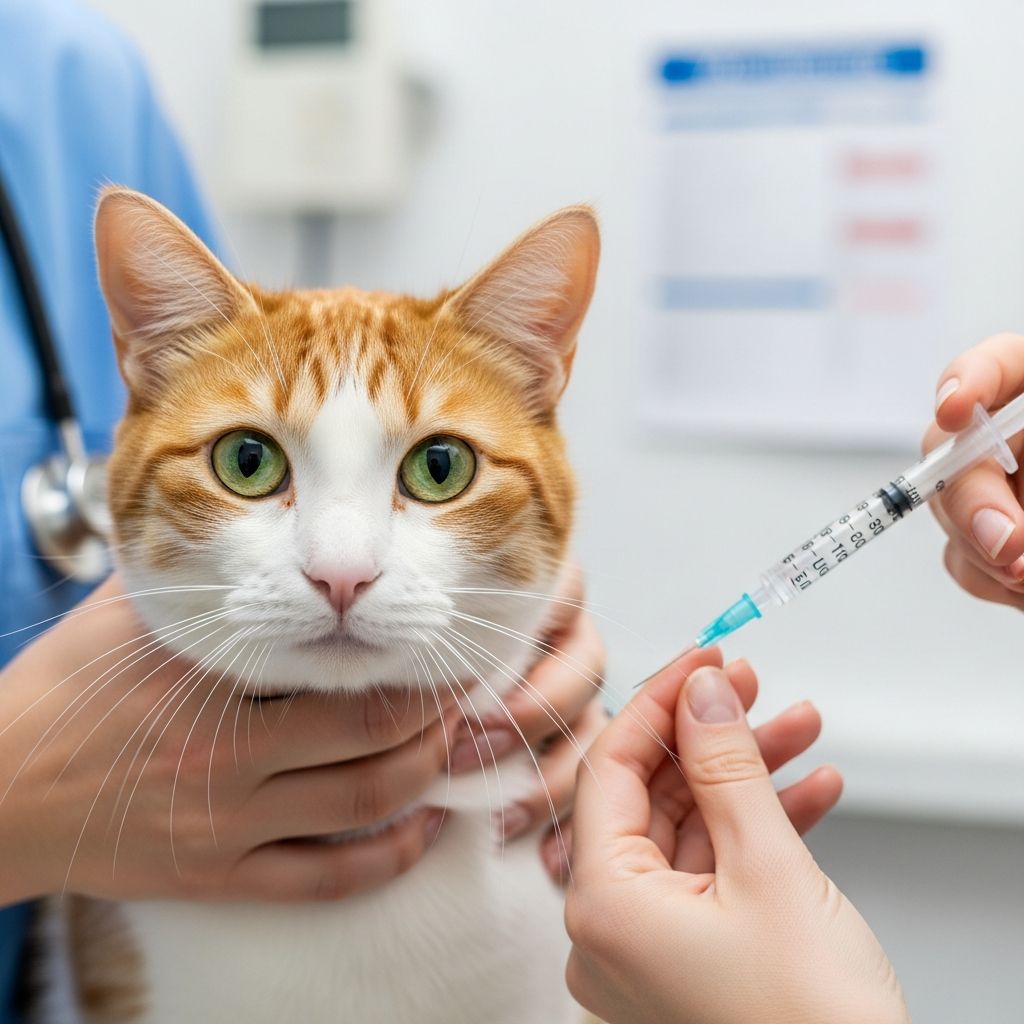
Protecting cats from preventable diseases starts with a solid vaccination plan tailored to their age, lifestyle, and health status. Core vaccines shield against the most severe threats, while additional shots address specific risks. This guide outlines everything cat owners need to know for keeping their pets safe and healthy.
Understanding Core and Non-Core Vaccines
Cat vaccines fall into two main categories: core and non-core.
Core vaccines
are essential for every cat due to the high prevalence and severity of the diseases they prevent. These include protection against feline viral rhinotracheitis (FHV-1), calicivirus (FCV), panleukopenia (FPV), and rabies. The FVRCP combination vaccine bundles FHV-1, FCV, and FPV into one efficient shot.**Non-core vaccines** are recommended based on individual risk factors, such as outdoor access or multi-cat households. Feline leukemia virus (FeLV) is a prime example, considered core for kittens but optional for low-risk adults. Veterinarians assess lifestyle to customize protocols, ensuring protection without unnecessary shots.
Why Vaccinations Matter for Feline Health
Vaccines train the immune system to recognize and fight pathogens before they cause illness. Diseases like panleukopenia ravage the gut and bone marrow, leading to fatal dehydration, while rabies is invariably deadly and transmissible to humans. Upper respiratory infections from FHV-1 and FCV spread easily in shelters or catteries, causing chronic issues if untreated.
Without vaccination, kittens face the highest risks due to immature immunity from maternal antibodies that wane around 6-8 weeks. Adult cats benefit from boosters to sustain long-term defense, especially during stress like boarding or travel.
Kitten Vaccination Timeline: Building Early Immunity
Kittens require a series of shots starting at 6-8 weeks to overcome fading maternal protection. The schedule ensures overlapping immunity as antibodies decline.
- 6-8 weeks: First FVRCP and FeLV doses. These initiate defense against respiratory viruses, enteritis, and leukemia.
- 10-12 weeks: FVRCP booster, FeLV booster, and sometimes early rabies if required locally.
- 14-16 weeks: Final FVRCP (if needed), rabies, and FeLV completion. Rabies is legally mandated in most areas.
This staggered approach accounts for kittens’ developing systems. Missing boosters may necessitate restarting the series.
Sample Kitten Schedule Table
| Age | Vaccines | Notes |
|---|---|---|
| 6-8 weeks | FVRCP, FeLV | Core starters |
| 10-12 weeks | FVRCP booster, FeLV booster | Build immunity |
| 14-16 weeks | FVRCP (final if needed), Rabies, FeLV (final if needed) | Rabies often legal requirement |
| 1 year | FVRCP, Rabies, FeLV boosters | Transition to adult protocol |
Consult your vet for adjustments based on health or regional laws.
Adult and Senior Cat Vaccination Protocols
Once past kittenhood, focus shifts to boosters. Indoor adults with low risk may need FVRCP every 3 years, while outdoor or senior cats get annual updates due to weakened immunity.
- FVRCP: Every 1-3 years; triennial for strict indoor cats.
- Rabies: 1- or 3-year shots per state regulations; non-negotiable.
- FeLV: Annual for high-risk cats (outdoor, multi-pet homes); skip for indoor-only adults after initial series.
Seniors or stressed cats (e.g., boarding) benefit from pre-event boosters 7-10 days prior. Cats with unknown history restart as kittens.
Adult Schedule Comparison Table
| Vaccine | Indoor Cats | Outdoor/High-Risk Cats |
|---|---|---|
| FVRCP | Every 3 years | Every 1 year |
| Rabies | Every 1-3 years (per law) | Every 1-3 years (per law) |
| FeLV | Not routinely needed | Every 1-2 years |
Key Diseases and Vaccine Protection
FVRCP Combo: Triple Threat Defense
The FVRCP targets three viruses:
- **FHV-1 (Herpesvirus):** Causes fever, sneezing, eye ulcers; lifelong carriers possible.
- **FCV:** Leads to mouth ulcers, limping, pneumonia; highly contagious.
- **FPV (Distemper):** Attacks intestines, white blood cells; 90% mortality in kittens.
No cures exist—supportive care only. Vaccination drastically reduces severity.
Rabies: A Public Health Imperative
This zoonotic virus affects the brain, causing aggression and death. Transmission via bites mandates universal vaccination, often legally enforced. Boosters maintain lifelong protection.
FeLV: Assessing the Risk
Spread via saliva during grooming or sharing, FeLV suppresses immunity, causing cancer or anemia. Kittens get it routinely; adults only if at risk (outdoors, strays). Test negative cats before vaccinating.
Non-Core Vaccines: Tailored Protection
Beyond basics, consider:
- FIV: Rare vaccine; immunity-focused management preferred.
- Bordetella/FIP: For catteries or high-exposure.
Your vet evaluates based on environment.
Vaccine Safety and Side Effects
Reactions are rare (1 in 10,000): mild lethargy, swelling, or anaphylaxis. Monitor 24-48 hours post-shot. Benefits far outweigh risks for disease prevention.
Cost and Accessibility Factors
Initial kitten series: $100-200. Adult boosters: $20-50 each. Clinics offer affordable options; wellness plans bundle shots with exams.
Common Myths Debunked
- Myth: Indoor cats skip vaccines. Fact: Diseases enter homes via owners or vectors.
- Myth: Over-vaccination harms. Fact: Tailored schedules via titer tests minimize excess.
Frequently Asked Questions (FAQs)
What if my cat missed a booster?
Restart or catch up promptly; don’t delay.
Are vaccines safe for pregnant cats?
Avoid live vaccines; consult vet.
How do I know if my cat needs FeLV?
Test and assess lifestyle risks.
Can I titer test instead of vaccinating?
Possible for FVRCP in low-risk adults; not standard for rabies.
What about multi-cat homes?
Full core series plus FeLV for all.
Partnering with Your Veterinarian
Annual exams refine schedules. Discuss travel, boarding, or health changes. Record-keeping ensures compliance.
By following these guidelines, cat owners safeguard their pets’ futures. Vaccinations are a cornerstone of preventive care, preventing heartbreak from avoidable illnesses.
References
- What Vaccines Do Cats Need? — PetMD. 2023. https://www.petmd.com/cat/general-health/cat-vaccinations-what-vaccines-do-cats-need
- Essential Vaccines and Schedules for Cats — PetNation. 2024. https://www.petnation.care/blog/cat-vaccination-guide-essential-vaccines-and-schedules-for-cat
- Vaccine Schedules for Cats & Kittens — Small Door Veterinary. 2024. https://www.smalldoorvet.com/learning-center/wellness/cat-kitten-vaccine-schedules
- Core Vaccines for Pet Cats — AAHA. 2020-02-01. https://www.aaha.org/resources/2020-aahaaafp-feline-vaccination-guidelines/core-vaccines-for-pet-cats/
- Vaccines for Cats — VCA Animal Hospitals. 2024. https://vcahospitals.com/know-your-pet/vaccines-for-cats
- Feline Vaccines: Benefits and Risks — Cornell University College of Veterinary Medicine. 2024. https://www.vet.cornell.edu/departments-centers-and-institutes/cornell-feline-health-center/health-information/feline-health-topics/feline-vaccines-benefits-and-risks
Similar Articles








Read full bio of medha deb




