

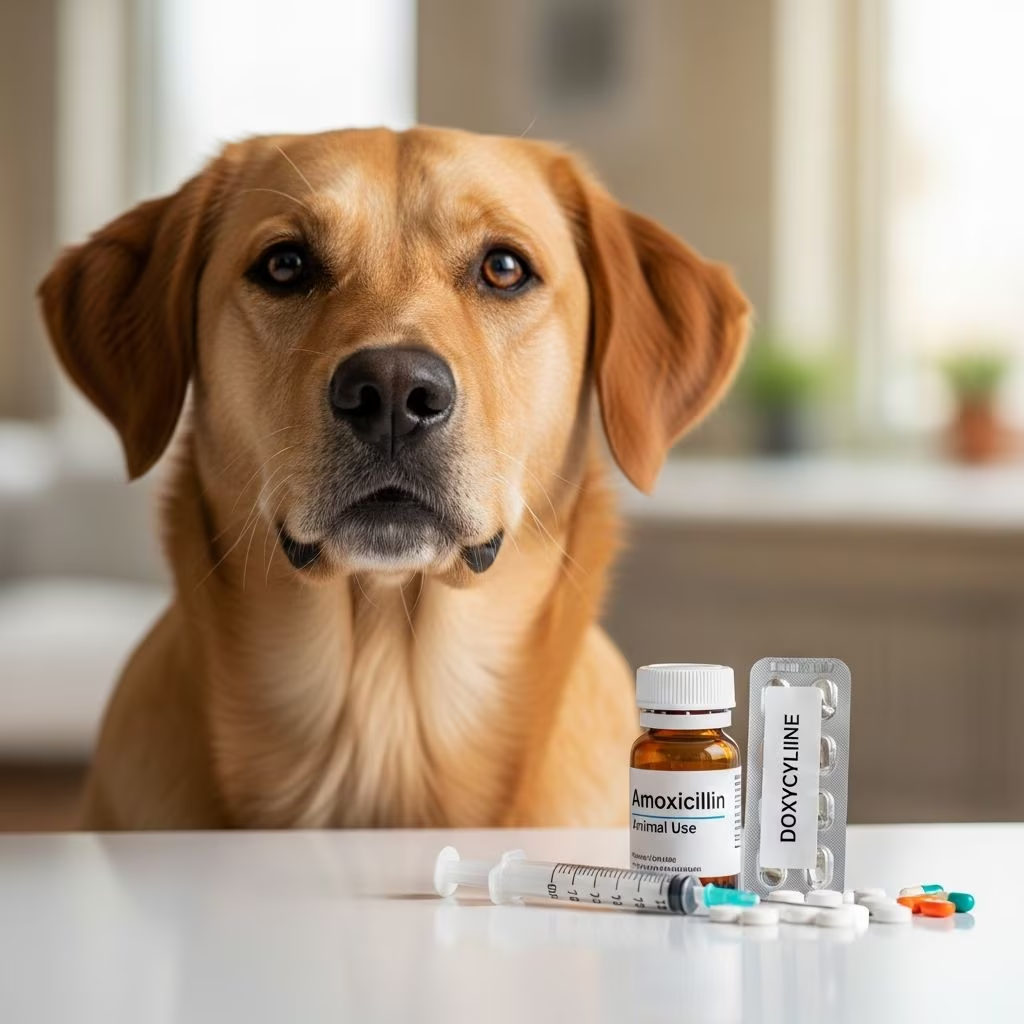
Antibiotics play a crucial role in managing bacterial infections in dogs, from skin wounds to respiratory issues. These medications target specific bacteria, helping pets recover swiftly when used correctly under veterinary supervision. This guide covers major antibiotic classes, their applications, and responsible use to combat rising antimicrobial resistance.
Understanding Bacterial Infections in Dogs
Dogs encounter various bacterial threats, including skin abscesses, urinary tract infections (UTIs), ear infections, and respiratory conditions like kennel cough. Gram-positive bacteria, such as staphylococci, and gram-negative types, like those causing UTIs, require tailored treatments. Early diagnosis via culture tests ensures the right antibiotic selection, reducing misuse that fosters resistance.
Common sites of infection include the skin, where pyoderma prevails; urinary system, affecting older females; and respiratory tract, often secondary to viral illnesses. Vets prioritize narrow-spectrum options first, escalating only if needed, per guidelines from bodies like ISCAID and AAHA.
Major Antibiotic Classes for Dogs
Veterinarians classify antibiotics by mechanism and spectrum. Below, we detail key groups with canine applications.
Penicillins and Beta-Lactam Combinations
Amoxicillin-clavulanate stands out as a first-line broad-spectrum choice, effective against gram-positive, gram-negative, and anaerobic bacteria in respiratory, skin, and soft tissue infections. Dosed at 11-12.5 mg/kg orally every 12 hours for dogs, it combats pathogens like Pasteurella and Bordetella.
Ampicillin-sulbactam serves injectable needs for severe pneumonia, targeting similar microbes at 20 mg/kg every 6-8 hours. These beta-lactams weaken bacterial cell walls, ideal for empirical therapy before culture results.
Cephalosporins: Reliable Broad Coverage
Cephalexin and cefovecin (Convenia) treat skin and urinary infections by disrupting cell wall synthesis. Cefovecin, a long-acting injection at 8 mg/kg subcutaneously, provides 14-day coverage, convenient for non-compliant patients. Effective against staphylococci and streptococci, but ineffective against Mycoplasma or Enterococcus.
Fluoroquinolones for Tough Gram-Negatives
Enrofloxacin and ciprofloxacin excel in eye, ear, and prostate infections, halting bacterial DNA replication. Topical drops suit localized issues, while oral forms handle systemic cases. Pradofloxacin, at 5 mg/kg daily, targets respiratory pathogens including Bordetella and Mycoplasma, though extra-label in U.S. dogs due to rare myelosuppression risks.
Tetracyclines: Tick and Respiratory Specialists
Doxycycline, dosed 5-10 mg/kg orally every 12-24 hours, inhibits protein synthesis, treating Lyme disease, leptospirosis, and kennel cough. Safe for puppies over 4 weeks, it covers Mycoplasma and Bordetella effectively. Avoid in bone infections due to calcium binding.
Lincosamides and Macrolides for Specific Needs
Clindamycin tackles dental, bone, and skin infections by blocking protein production, useful for anaerobes. Macrolides like azithromycin or tylosin address respiratory and GI issues, particularly gram-positives in pneumonia.
Other Classes: Aminoglycosides, Metronidazole, and Sulfonamides
Gentamicin treats gram-negative ear/skin infections topically (e.g., Mometamax). Metronidazole combats GI parasites like Giardia and anaerobic infections. Sulfonamides like sulfamethoxazole manage coccidiosis and UTIs.
Administration Methods and Dosages
Antibiotics come as oral tablets/liquids, injectables, or topicals. Follow vet dosing precisely—e.g., doxycycline with food to curb GI upset. Long-acting options like Convenia simplify compliance but require monitoring.
| Antibiotic | Common Dose (Dogs) | Route | Frequency |
|---|---|---|---|
| Amoxicillin-clavulanate | 11 mg/kg | PO | q12h |
| Cefovecin | 8 mg/kg | SC | Once (repeat after 7-14d) |
| Doxycycline | 5-10 mg/kg | PO | q12-24h |
| Enrofloxacin | 5-20 mg/kg | PO/Topical | q24h |
| Clindamycin | 5.5-11 mg/kg | PO | q12h |
Dosages from guidelines; always confirm with vet.
Potential Side Effects and Monitoring
Most dogs tolerate antibiotics well, but risks include vomiting, diarrhea, and appetite loss. Rare severe effects: allergic reactions, liver/kidney strain (e.g., gentamicin nephrotoxicity), or Clostridium overgrowth. Fluoroquinolones may cause cartilage issues in growing pups. Monitor via bloodwork for prolonged courses; probiotics aid gut health.
- GI upset: Common; give with food.
- Allergies: Hives, swelling—seek emergency care.
- Resistance risk: Complete full course.
Veterinary Stewardship: Using Antibiotics Wisely
Antimicrobial resistance threatens efficacy; AAHA/AAFP guidelines urge cultures, narrow-spectrum first, and minimal duration. For UTIs, short 3-5 day courses suffice sporadically. Avoid in viral cases; perioperative use limits to high-risk surgeries.
When to Seek Veterinary Care
Signs warranting antibiotics: fever, lethargy, pus, straining to urinate, chronic cough. Never self-medicate—human drugs can harm dogs. Prompt vet visits prevent complications like sepsis.
FAQs
Can I give my dog human antibiotics?
No. Dosages and formulations differ; some are toxic. Always use vet-prescribed.
How long do dog antibiotics take to work?
Improvement in 48-72 hours; finish course to prevent relapse.
Are antibiotics safe for puppies?
Many are, like doxycycline post-4 weeks; fluoroquinolones avoided in young.
What if my dog vomits after antibiotics?
Contact vet; may switch meds or add anti-nausea.
Do antibiotics treat all infections?
No, only bacterial; fungal/viral need alternatives.
Preventing Infections Naturally
Boost immunity via balanced diet, vaccines, flea control, and hygiene. Regular check-ups catch issues early, reducing antibiotic needs.
References
- Antibiotics for Dogs: Common Options and How to Pick One — GoodRx. 2023. https://www.goodrx.com/pet-health/dog/antibiotics-for-dogs
- Antimicrobial use Guidelines for Treatment of Respiratory Tract Disease — PMC/NCBI. 2017-02-15. https://pmc.ncbi.nlm.nih.gov/articles/PMC5354050/
- Guidelines for antimicrobial use in the treatment of dogs and cats — AMR Vet Collective/Swedish Veterinary Society. 2018-09. https://www.amrvetcollective.com/assets/guidelines/guide_comp.pdf
- Clinical consensus statements and guidelines on the general use of antibiotics — Laboklin. 2024-07. https://laboklin.com/wp-content/uploads/2024/07/Guidelines_general_use_of_antibiotics.pdf
- AAFP/AAHA antimicrobial stewardship guidelines — AVMA. 2023. https://www.avma.org/resources-tools/avma-policies/aafpaaha-antimicrobial-stewardship-guidelines
- Guidelines for the diagnosis and management of bacterial urinary tract infections in dogs and cats — ISCAID. 2019. https://www.iscaid.org/guidelines



