

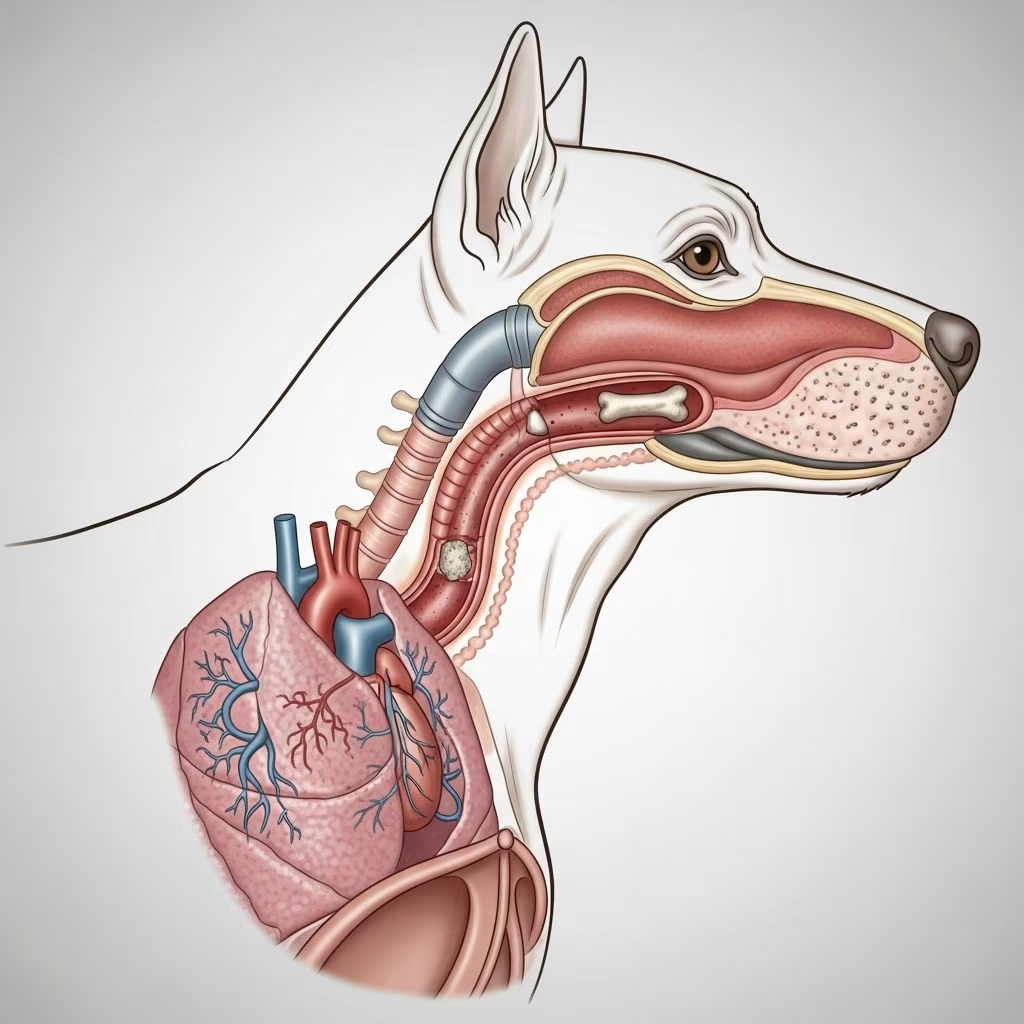
Esophageal obstructions occur when swallowed items become lodged in the tube connecting the mouth to the stomach, posing immediate risks to dogs and cats. These incidents demand prompt veterinary care to avoid tissue damage or worse outcomes.
Common Culprits Behind Esophageal Blockages
Pets, particularly dogs, often ingest inappropriate items during play or exploration. Bones from chicken or other animals top the list, making up 30% to 80% of cases in canines. Rawhide chews, dental treats, fishhooks, needles, and even large food chunks frequently cause trouble. Cats encounter these less often due to selective eating habits, but hairballs or sharp objects can still lead to issues.
These materials lodge at specific points: near the heart base or lower esophagus in dogs for bulky items, anywhere for sharp ones that snag the lining. Understanding these triggers helps owners prevent incidents through supervision and safe toy choices.
Recognizing the Warning Signs
Symptoms appear rapidly after ingestion. Dogs may paw at their mouth, show excessive drooling, gag, cough, or regurgitate undigested food. Acute distress, like frantic behavior, signals an emergency. Cats might display similar unease but less dramatically.
- Immediate regurgitation of swallowed material
- Painful swallowing or avoidance of food
- Extended neck stretching
- Respiratory distress from pressure on airways
- Saliva buildup leading to drooling
Prolonged lodgment heightens risks, so owners should act fast upon noticing these cues.
Diagnostic Approaches for Confirmation
Vets start with a physical exam and history review. Imaging is key: plain X-rays detect radiopaque items like bones, while contrast studies outline softer objects. Endoscopy provides direct visualization, revealing mucosal damage early.
| Method | Advantages | Limitations |
|---|---|---|
| Plain Radiography | Quick, non-invasive, spots bones | Misses non-opaque items |
| Contrast Radiography | Highlights location and shape | Risk of aspiration |
| Endoscopy | Visualizes damage, aids retrieval | Requires sedation |
| Fluoroscopy | Real-time movement tracking | Equipment availability |
These tools pinpoint the blockage’s position and assess surrounding tissue health.
Non-Surgical Retrieval Techniques
Endoscopy stands out as the go-to method for most cases, succeeding in the majority without surgery. Under anesthesia, a flexible scope with grasping tools removes or repositions objects. For recent, soft items, blind retrieval using forceps works in proximal areas.
Advancing the object into the stomach offers another option, especially for bones. Studies show 62% of dogs had esophageal erosions on endoscopy, but pushing to the stomach avoided further harm in many. Gastric bones often dissolve naturally without intervention.
- Endoscopic grasping for sharp or embedded items
- Pharmacologic relaxation to ease passage
- Stomach advancement for digestible materials
Surgical Interventions When Needed
Surgery becomes necessary if endoscopy fails or perforation is suspected. Esophagotomy involves an incision to extract the item, reserved for 3-7% of cases. Gastrotomy follows for stomach-relocated objects unlikely to pass further. Emergency signs like free gas on X-rays demand immediate specialist referral.
Post-op care includes feeding tubes, antibiotics, and strict monitoring to prevent leaks or infections.
Potential Complications and Risks
Delays amplify dangers. Mucosal erosions affect over 60% of prolonged cases, risking necrosis, strictures, or perforation leading to pneumothorax or pneumonia. Smaller dogs and older pets face higher complication rates.
Gastric bones rarely cause issues if left, with no short- or long-term problems reported in monitored dogs. Overall, bone-related complications remain low at 8% for esophageal cases.
Aftercare and Recovery Protocols
Following removal, withhold food for 12-24 hours, then introduce soft diets. Proton pump inhibitors and sucralfate protect the lining. Monitor for regurgitation or pain, scheduling follow-ups for endoscopy if strictures form.
Most pets recover fully with timely treatment, resuming normal eating within days.
Prevention Strategies for Pet Owners
Avoid giving cooked bones, rawhides, or unsupervised chews. Train commands like “leave it,” and inspect toys regularly. Annual vet checkups catch swallowing habit risks early.
- Choose digestible, size-appropriate toys
- Supervise mealtimes and play
- Educate on hazardous household items
- Maintain dental health to reduce gulping
Special Considerations for Cats
Cats face fewer esophageal issues but string, needles, or trichobezoars pose threats. Endoscopy suits them well, with similar recovery.
FAQs on Esophageal Foreign Bodies
What should I do if my dog regurgitates after eating a bone?
Seek emergency vet care immediately, as it likely indicates a blockage.
How long can an object stay in the esophagus before it’s dangerous?
Risks rise after 24 hours; necrosis can set in quickly.
Is endoscopy safe for all pets?
Yes, under anesthesia, with high success and low risk.
Can bones dissolve in the stomach?
Often yes, especially in dogs, without complications.
What breeds are most prone?
Smaller breeds due to narrower esophagi.
Recent Advances in Treatment
Studies confirm endoscopic primacy, with gastric dissolution viable for bones. Fluoroscopy enhances precision in tricky retrievals.
References
- Outcomes of esophageal and gastric bone foreign bodies in dogs — J Vet Intern Med. 2022. https://pmc.ncbi.nlm.nih.gov/articles/PMC8965252/
- Esophageal foreign body in a dog — VetGirl Veterinary CE. 2022. https://vetgirlontherun.com/videos/esophageal-foreign-body-in-a-dog-vetgirl-veterinary-ce-video/
- Esophageal Foreign Bodies in Dogs: Presentation and Removal — Today’s Veterinary Practice. 2023. https://todaysveterinarypractice.com/gastroenterology/esophageal-foreign-bodies/
- Gastrointestinal Foreign Bodies in Cats and Dogs — MedVet. 2024. https://www.medvet.com/gastrointestinal-foreign-bodies-in-cats-and-dogs/



