
Esophageal Narrowing In Pets: 4 Effective Treatments
Understand the causes, symptoms, and advanced treatments for esophageal narrowing in dogs and cats to improve your pet's swallowing and quality of life.
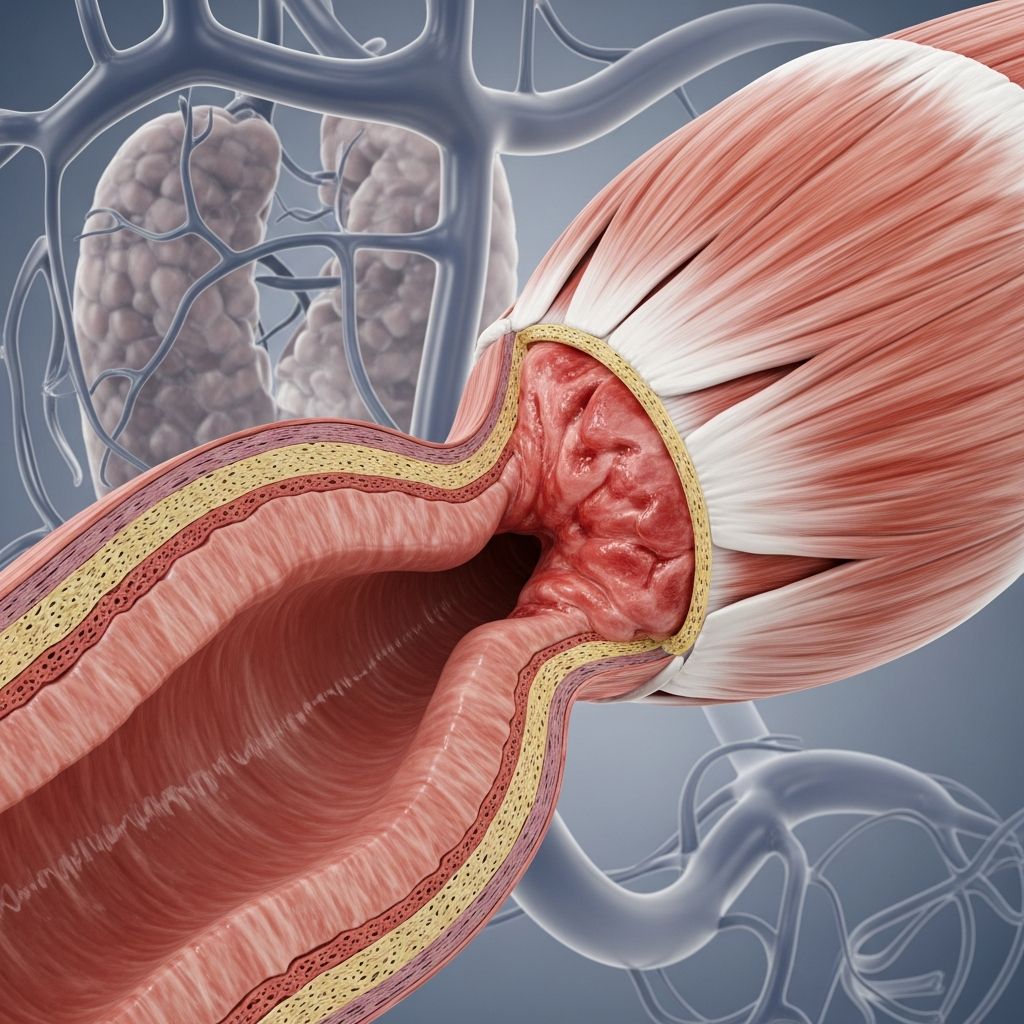
Esophageal narrowing, often resulting from scar tissue formation in the esophagus of dogs and cats, poses significant challenges to normal swallowing and nutrition. This condition typically arises after severe inflammation or injury to the esophageal lining, leading to a reduced lumen diameter that impedes food passage. Pet owners may notice persistent regurgitation and weight loss, prompting urgent veterinary intervention. Early recognition and targeted therapies, such as controlled dilation procedures, can restore function in many cases, preventing complications like aspiration pneumonia.
Common Triggers Behind Esophageal Scarring
Several factors contribute to the development of esophageal narrowing in small animals. Gastroesophageal reflux during general anesthesia stands out as a primary culprit, particularly in procedures like ovariohysterectomy where animals are positioned horizontally, allowing stomach acid to pool and damage the distal thoracic esophagus. This reflux occurs because anesthesia delays peristalsis, prolonging acid contact with the sensitive mucosal lining.
Trauma from foreign bodies, such as bones, toys, or large food pieces, frequently lodges in the esophagus, causing ulceration that heals with fibrotic bands. In cats, certain medications like doxycycline tablets exacerbate this risk if they adhere to the esophagus without sufficient water chasers. Chronic vomiting erodes the lining over time, while less common causes include trichobezoars in cats or rare malignant tumors. Female pets, especially those undergoing obstetric surgeries, show higher susceptibility, with strictures often appearing 8-21 days post-event.
- Anesthesia-related reflux: Common in 65% of cases, linked to delayed clearance.
- Foreign body impaction: Leads to ulceration and scarring upon resolution.
- Medication-induced damage: Doxycycline in cats causes pill esophagitis.
- Chronic vomiting: Acid exposure mimics reflux injury.
Recognizing Warning Signs in Dogs and Cats
Symptoms of esophageal narrowing vary by stricture location and severity but consistently involve impaired food propulsion. Regurgitation of undigested solids is hallmark, progressing from dry kibble to liquids in advanced cases. Pets exhibit hypersalivation, painful swallowing (dysphagia), and esophagodynia, often pawing at the mouth or neck. Weight loss ensues from caloric deficits, compounded by respiratory issues like coughing, tachypnea, or crackles from aspiration pneumonia.
Young animals transitioning to solids may reveal congenital forms, though acquired strictures dominate in adults aged 4 months to 13 years (mean 4.75 years). Owners report signs emerging weeks after inciting events, underscoring the need for historical review during exams.
| Symptom | Dogs | Cats |
|---|---|---|
| Regurgitation | Frequent with solids | Progressive to liquids |
| Hypersalivation | Moderate | Prominent |
| Weight Loss | Rapid | Steady |
| Respiratory Signs | Coughing common | Tachypnea prevalent |
Diagnostic Approaches for Accurate Identification
Veterinarians employ imaging and endoscopy to confirm esophageal narrowing. Contrast radiography reveals proximal dilation cranial to the stricture, highlighting the obstruction site, often caudal to the heart base. Fluoroscopy during endoscopy precisely measures lesion length and diameter, guiding therapy selection.
Endoscopic visualization exposes mucosal inflammation, ulcers, or fibrotic rings, with biopsy ruling out neoplasia. Active esophagitis appears in some cases, influencing dilation choice—wider strictures suit endoscope tips, narrower ones require balloons. History of anesthesia, vomiting, or foreign bodies refines differential diagnosis.
Treatment Strategies: Dilation and Supportive Care
Mechanical dilation remains the cornerstone, performed under anesthesia with endoscopic guidance. Balloon catheters inflate across the stricture, gradually widening it over 2-4 sessions spaced 2-3 days apart. This minimally invasive method measures success by restored swallowing, though recurrence risks perforation if dislodged.
Bougienage with guidewires offers comparable efficacy to balloons, safer than free-passed dilators that heighten tear risks. Post-procedure, medical management curbs esophagitis: proton pump inhibitors or H2 blockers (e.g., cimetidine 10 mg/kg q8h), prokinetics like cisapride (1 mg/kg q12h), sucralfate slurries, and steroids (prednisone 0.5-1 mg/kg q12h). Soft canned diets transition to dry food after 1 month.
Severe cases warrant esophagostomy or gastrostomy tubes for nutrition, enabling esophageal rest while sampling for comorbidities like IBD or pancreatitis. Outcomes favor early intervention: 70% achieve good resolution, though 30% face euthanasia due to refractoriness.
- Balloon dilation: Preferred for narrow lesions; fluoroscopy-guided.
- Bougienage: Wire-guided for safety.
- Medical adjuncts: Acid suppression, motility enhancement.
- Nutritional support: Tube feeding if needed.
Potential Complications and Risk Mitigation
Dilation carries perforation risk (rare but fatal), infection at tube sites, or stricture recurrence if stents displace. Esophagitis flares post-procedure necessitate vigilant monitoring. Preventive antacids before/after anesthesia reduce incidence in at-risk pets.
Positioning during surgery (horizontal vs. head-down) influences reflux volume and site, with horizontal setups predisposing distal strictures. Operator experience minimizes complications, favoring balloon over bougie in novices.
Long-Term Management and Prognosis
Post-dilation, pets often regain near-normal eating within weeks, though full kibble tolerance may lag. Owners monitor for regurgitation recurrence, adjusting to slurried diets. Annual check-ups assess for progression, especially in cancer-suspect cases.
Prognosis excels with prompt treatment: patients eating balanced diets consistently fare best, despite incomplete restoration. Early disease yields superior results over chronic malnutrition. Holistic care integrates diet, meds, and follow-ups for sustained wellness.
Preventive Measures for Pet Owners
Avoid large treats/bones to prevent impactions. Administer pills with water chasers, especially doxycycline in cats. Pre-anesthetic antacids protect reflux-prone breeds. Prompt vomiting treatment halts acid erosion.
- Supervise chew toys.
- Follow pill protocols.
- Schedule routine deworming for trichobezoars.
- Monitor post-surgical appetite.
Frequently Asked Questions (FAQs)
What is the most common cause of esophageal narrowing in pets?
Gastroesophageal reflux under anesthesia, especially in surgeries like spaying.
How many dilation sessions are typically needed?
Usually 2-4, spaced days apart, based on response.
Can esophageal narrowing be fatal?
Indirectly via pneumonia or malnutrition; early treatment improves survival.
Is surgery ever required?
Rarely; dilation suffices in most, but refractory cases may need resection.
How to prevent medication-induced strictures in cats?
Give pills with ample water via syringe.
References
- Benign esophageal stricture in the dog and cat — PMC – NIH. 2000-01-01. https://pmc.ncbi.nlm.nih.gov/articles/PMC226983/
- Esophageal Strictures — Savannah Veterinary Internal Medicine. 2023-01-01. https://savannahveterinary.com/pet-internal-medicine/esophageal-strictures-2/
- Esophageal Stricture Management — Texas A&M Veterinary Medical Teaching Hospital. 2024-01-01. https://vethospital.tamu.edu/small-animal/internal-medicine/esophageal-stricture-management/
- Esophageal strictures in cats and dogs: Signs, causes and treatment — dvm360. 2022-01-01. https://www.dvm360.com/view/esophageal-strictures-cats-and-dogs-signs-causes-and-treatment
- Esophageal Strictures — Veterinary Specialty Center. 2023-01-01. https://www.vetspecialty.com/specialties/internal-medicine/esophageal-strictures/
- Signs of Trouble: Recognizing Esophageal Stricture Symptoms In Dogs — Safari Veterinary Care Centers. 2023-01-01. https://www.safarivet.com/blog/signs-of-trouble-recognizing-esophageal-stricture-symptoms-in-dogs-in-league-city-tx/
Similar Articles








Read full bio of medha deb


