

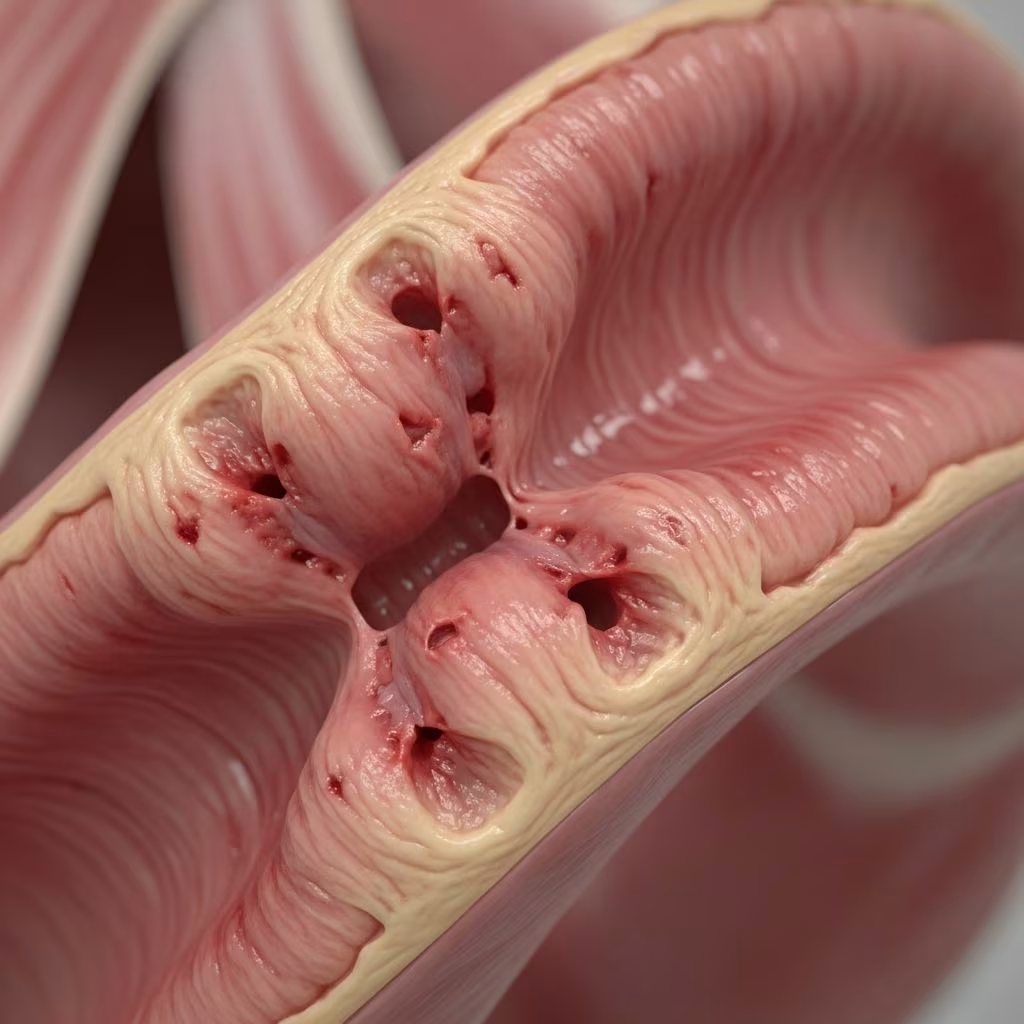
Esophageal inflammation, medically termed esophagitis, represents a significant condition affecting the delicate mucosal lining of the esophagus in companion animals. This inflammatory process occurs when the esophageal tissue becomes irritated and damaged, potentially leading to considerable discomfort and feeding difficulties in affected pets. Understanding the mechanisms behind this condition, recognizing its manifestations, and implementing appropriate management strategies are essential for veterinary professionals and pet owners alike.
Understanding the Pathophysiology of Esophageal Inflammation
The esophagus serves as a muscular conduit responsible for transporting food from the mouth to the stomach. The innermost layer, known as the mucosa, possesses a protective barrier that resists the normal passage of food materials. However, when this protective mechanism becomes compromised, exposure to harsh substances—particularly gastric acid—can initiate an inflammatory cascade. This inflammatory response involves increased vascular permeability, recruitment of immune cells, and activation of tissue-damaging enzymes.
The lower esophageal sphincter, a specialized muscle at the junction between the esophagus and stomach, plays a crucial role in preventing retrograde movement of gastric contents. When the sphincter’s competence is reduced, gastroduodenal reflux occurs, exposing the esophageal mucosa to acidic and enzymatic substances not designed to contact this tissue. Over time, repetitive exposure leads to mucosal erosion, ulceration, and the characteristic inflammatory changes associated with esophagitis.
Primary Etiological Factors and Risk Scenarios
Multiple pathways can initiate esophageal inflammation in dogs and cats. Identifying the underlying cause is paramount to implementing effective treatment and preventing recurrence.
Gastric Acid Reflux Mechanisms
Gastroesophageal reflux represents one of the most significant contributors to esophageal inflammation. Anesthesia-related reflux occurs frequently during procedures, particularly when animals are positioned supinely or when prolonged anesthetic protocols reduce normal esophageal clearance mechanisms. General anesthesia depresses the muscular function of the esophagus and diminishes the pressure maintained by the lower esophageal sphincter, creating an ideal environment for reflux to occur.
Chronic vomiting from any underlying cause—whether related to gastrointestinal obstruction, infectious diseases, or metabolic abnormalities—exposes the esophageal tissue to repeated acid contact. Animals recovering from conditions like parvoviral gastroenteritis may appear clinically improved yet continue experiencing regurgitation episodes resulting from secondary esophagitis that developed during the acute illness phase.
Foreign Body Lodgment and Traumatic Injury
Objects that become lodged within the esophageal lumen create a dual problem: mechanical obstruction and inflammatory stimulus. The retained foreign material irritates surrounding tissues, while the obstruction itself prevents normal swallowing and saliva clearance. Additionally, pressure necrosis develops at the contact point between the object and esophageal wall, leading to mucosal ulceration. Once the foreign body is removed, significant esophagitis may persist, requiring aggressive anti-inflammatory management.
Medication-Induced Esophageal Irritation
Certain oral medications possess inherent esophageal irritability. Oral antibiotics, particularly doxycycline, clindamycin, and ciprofloxacin, can adhere to the esophageal mucosa and cause direct chemical irritation. If these medications remain in contact with esophageal tissue rather than passing expeditiously into the stomach, localized inflammation develops. Administration technique significantly influences the risk profile; medications should be followed by food or water to facilitate gastric transit and minimize esophageal contact time.
Infectious and Parasitic Causes
While less common in developed nations, parasitic infections can contribute to esophageal inflammation. Spirocerca lupi, a parasitic nematode, has a complex lifecycle involving intermediate hosts such as dung beetles and cockroaches. When dogs consume infected arthropods, larvae migrate to the esophageal wall where they mature into adult worms, creating nodular lesions and chronic inflammation. Geographic prevalence varies significantly, making history and risk factor assessment important diagnostic tools.
Emerging Primary Inflammatory Disorders
Eosinophilic esophagitis represents an emerging primary inflammatory condition with presumed allergic etiology. Unlike reflux-mediated esophagitis, this condition involves aberrant immune responses to esophageal antigens, resulting in predominant eosinophilic infiltration of the esophageal layers. Recognition of this entity is increasing, and diagnosis typically requires histological examination through endoscopic biopsy.
Clinical Presentation and Observable Signs
The clinical manifestations of esophagitis vary considerably depending on inflammation severity and the underlying etiology. Recognition of these signs enables appropriate clinical suspicion and diagnostic pursuit.
- Regurgitation: Distinguished from vomiting by the passive nature of food return and the absence of abdominal contractions, regurgitation commonly occurs during or shortly after eating
- Dysphagia: Difficulty or pain associated with swallowing manifests as hesitation before swallowing attempts, excessive drooling, or repeated swallowing motions
- Anorexia or Inappetence: Pain associated with esophageal inflammation discourages normal eating behavior, particularly with solid food
- Excessive Salivation: Hypersalivation may indicate pain or discomfort in the upper digestive tract
- Weight Loss: Chronic reduction in caloric intake secondary to feeding difficulties results in progressive weight loss over time
- Gulping or Neck Extension: Some animals exhibit exaggerated swallowing postures or neck extension during feeding attempts
The variability in clinical sign severity represents a significant diagnostic challenge. Mild esophagitis may produce subtle signs that owners attribute to finicky eating or normal behavioral variation, while severe inflammation causes dramatic presentation with pronounced dysphagia and complete anorexia.
Diagnostic Approach and Confirmatory Procedures
Establishing a definitive diagnosis requires systematic evaluation combining clinical history, physical examination findings, and appropriate diagnostic imaging or endoscopic assessment.
Initial Assessment Framework
The diagnostic workup begins with comprehensive history taking, focusing on the timeline of sign onset, progression pattern, recent medications, anesthetic procedures, and any known foreign body ingestion. Physical examination findings may be nonspecific, though careful observation may reveal signs of pain during palpation of the cervical region or reluctance to swallow during examination.
Laboratory investigations, including complete blood count and serum chemistry panel, typically yield normal results in uncomplicated esophagitis but help exclude concurrent systemic disease or dehydration secondary to reduced intake. No specific laboratory abnormality definitively confirms esophagitis; rather, laboratory work serves to rule out alternative diagnoses.
Advanced Diagnostic Techniques
Esophagography using fluoroscopic imaging provides visualization of esophageal structure and can identify strictures, foreign bodies, or megaesophagus. However, this technique cannot definitively diagnose early or uncomplicated esophagitis without radiographic signs of esophageal enlargement or stricture formation.
Esophagoscopy remains the gold standard diagnostic procedure for esophagitis, as it permits direct visualization of the esophageal mucosa and assessment of inflammation severity. During esophagoscopy, the esophageal lining appearance ranges from mild erythema and edema in early inflammation to frank ulceration, hemorrhage, and tissue necrosis in severe cases. General anesthesia is required, and the procedure demands specialized endoscopic equipment not universally available in general practice settings.
The esophagoscopic examination provides additional advantages beyond inflammation assessment. Foreign bodies can be identified and removed, stricture location and severity can be directly visualized, and tissue samples can be obtained for histological diagnosis of primary inflammatory conditions like eosinophilic esophagitis. However, the invasive nature, anesthetic requirement, and specialized equipment needs mean that many cases receive presumptive diagnosis and empirical treatment rather than definitive confirmation.
Management Strategies and Treatment Modalities
Effective management addresses both the inflammatory process and any identified underlying causes. Treatment protocols combine pharmaceutical intervention with supportive care measures.
Acid Suppression Therapy
Pharmacological reduction of gastric acid production forms the cornerstone of esophagitis treatment. Proton pump inhibitors and histamine-2 receptor antagonists reduce acid secretion, allowing esophageal mucosal healing without constant exposure to damaging gastric contents. These agents are typically continued for extended periods—often several weeks to months—to permit complete mucosal regeneration and reestablishment of the protective barrier.
Prokinetic Agents
Medications that enhance esophageal and gastric motility facilitate passage of ingested material, reducing stasis time and reflux risk. Prokinetic therapy complements acid suppression by promoting esophageal clearance and maintaining lower esophageal sphincter tone.
Nutritional Support and Feeding Management
Animals with significant dysphagia may require specialized feeding approaches. Dietary modification toward softer, easily swallowed foods minimizes swallowing effort and pain. In severe cases where oral intake cannot meet nutritional needs, assisted feeding methods become necessary.
Gastrostomy tube placement bypasses the esophagus entirely, allowing direct stomach access for nutritional delivery. This approach proves particularly valuable when significant esophagitis accompanies esophageal perforation, as it allows the esophageal mucosa to heal without food, water, or medications traversing the injured tissue.
Subcutaneous and intravenous fluid therapy maintain hydration status when oral intake is severely restricted. Fluid support becomes especially important in animals exhibiting signs of dehydration or those with prolonged anorexia.
Addressing Underlying Causes
Successful management requires identifying and resolving predisposing conditions. Foreign body removal necessitates immediate post-removal esophagoscopy to assess esophageal injury extent and determine the intensity of subsequent anti-inflammatory treatment. Medications suspected of causing irritation should be discontinued, with alternative therapeutic agents substituted when clinically feasible. When underlying gastrointestinal disease drives vomiting, addressing the primary condition diminishes reflux episodes and reduces esophageal inflammation progression.
Complications and Long-Term Sequelae
Untreated or inadequately managed esophagitis can progress to serious complications affecting long-term prognosis and patient quality of life.
Esophageal stricture formation represents the most significant long-term consequence of severe or recurrent esophagitis. Healing from deep mucosal ulceration or transmural inflammation involves fibrous tissue deposition that narrows the esophageal lumen. Once strictures develop, they typically require multiple interventions. Balloon dilation under anesthesia stretches the narrowed segment, though repeated procedures are frequently necessary as strictures tend to reform. Newer techniques involving balloon esophagostomy tubes allow owners to perform home dilation, potentially improving outcomes and reducing the anesthetic episodes required.
Esophageal perforation, though uncommon, represents a surgical emergency. Perforations allow esophageal contents and oral bacteria to contaminate mediastinal and pleural spaces, potentially leading to life-threatening infection. Small perforations may heal spontaneously with gastrostomy tube placement and intensive medical management, while larger defects typically require surgical intervention.
Prognosis and Recovery Expectations
Prognosis depends upon inflammation severity, underlying cause amenability to treatment, and owner compliance with recommended management protocols. Mild to moderate esophagitis secondary to manageable causes generally carries favorable prognosis with appropriate treatment. Recovery timelines extend over weeks to months, reflecting the slow regeneration rate of esophageal mucosal tissue.
Cases complicated by stricture formation or refractory eosinophilic esophagitis present more guarded prognosis, often requiring lifelong management or repeated interventions. Owner commitment to long-term medical therapy and dietary modification significantly influences ultimate outcomes.
Prevention Strategies for At-Risk Animals
Understanding risk factors enables implementation of preventive measures. Careful medication administration techniques—ensuring pills are swallowed completely and followed by food or water—reduce medication-induced esophagitis risk. Preventing access to potential foreign bodies and managing underlying gastrointestinal disease diminish reflux-mediated inflammation. When anesthesia is necessary, appropriate fasting protocols and careful positioning minimize anesthesia-associated reflux risk.
References
- Esophagitis in Cats and Dogs — PubMed/U.S. National Library of Medicine. 2020-12-01. https://pubmed.ncbi.nlm.nih.gov/33187619/
- Esophageal Strictures in Small Animals — Merck Veterinary Manual. 2024. https://www.merckvetmanual.com/digestive-system/diseases-of-the-esophagus-in-small-animals/esophageal-strictures-in-small-animals
- Recognizing and treating esophageal disorders in dogs and cats — DVM 360. 2024. https://www.dvm360.com/view/recognizing-and-treating-esophageal-disorders-dogs-and-cats
- Gastroesophageal Reflux Disease (GERD) in Non-Brachycephalic Dogs — VCA Animal Hospitals. 2024. https://vcahospitals.com/know-your-pet/gastroesophageal-reflux-disease-gerd-in-nonbrachycephalic-dogs



