

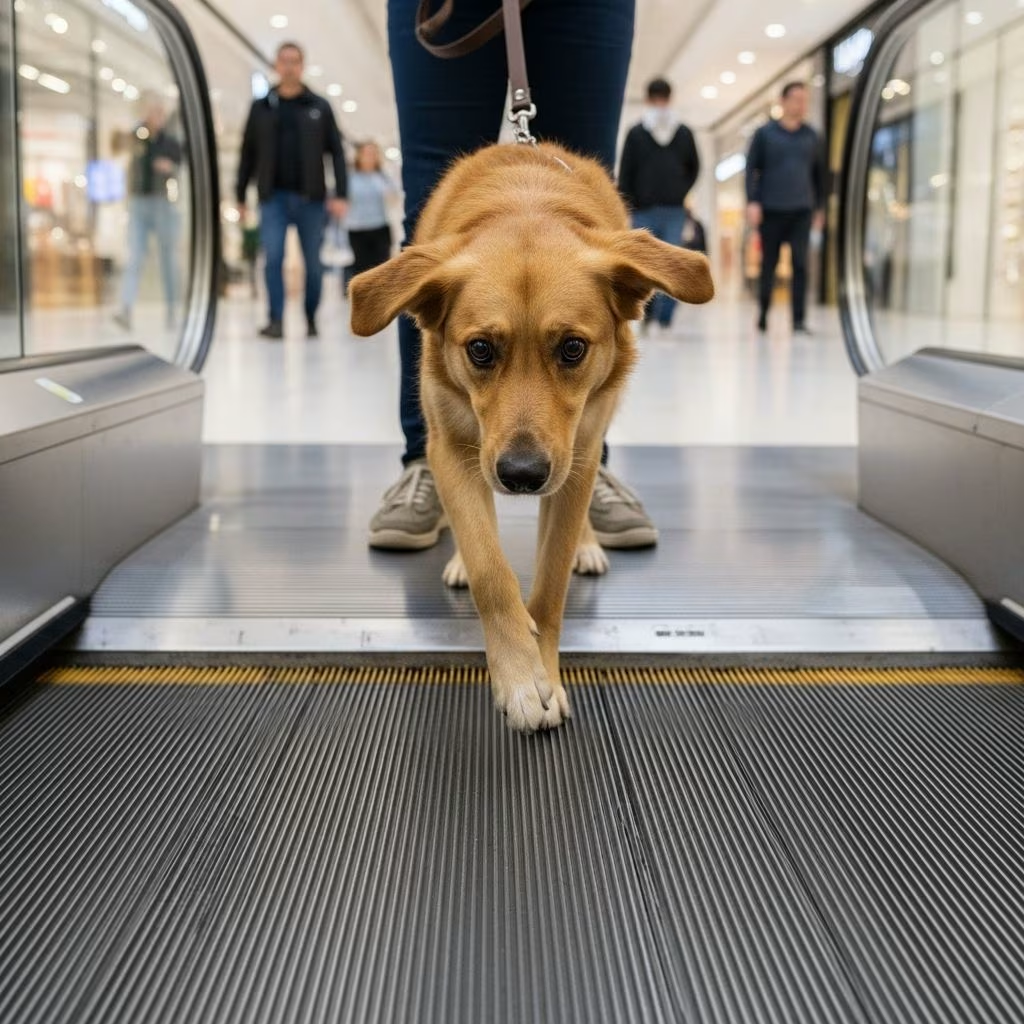
Escalators present significant hazards to dogs because of their mechanical design, which can trap paws, nails, leashes, or fur, leading to injuries ranging from cuts to fatalities.
Understanding the Mechanical Dangers
Escalators function with continuously moving steps that emerge from and retract into grates at both ends. These transition zones, known as the comb plates, feature sharp metal teeth that mesh with the steps. For dogs, stepping on these areas risks having toes or claws caught, resulting in degloving injuries where skin and tissue are torn away.
The side panels of escalators create narrow gaps between stationary skirting and moving treads. A dog’s paw, tail, or loose fur can slip into these spaces, pulling the animal toward the machinery. Larger breeds face amplified risks as their bodies may span multiple steps, increasing entanglement chances.
Leashes exacerbate the problem. A dangling lead can snag on steps or grates, yanking the dog backward and causing choking if attached to a non-breakaway collar. Public spaces like airports often ban dogs on escalators precisely due to these recurrent incidents.
Real-World Injury Patterns
Veterinary reports highlight common trauma types: lacerations on pads, fractured toes, and amputations from caught nails. In severe cases, dogs suffer full limb avulsions or spinal injuries from violent pulls. Preventive sources note that even brief contact with the mechanism can escalate quickly, with no escalator considered fully safe.
- Paw and Toe Trapping: Most frequent, occurring at entry/exit points.
- Leash Entanglement: Leads to falls or strangulation.
- Fur/Tail Snags: Common in long-haired breeds.
- Large Dog Spanning: Bodies bridge steps, heightening pinch points.
Instinct plays a role too—many dogs freeze or panic on moving surfaces, worsening outcomes.
Safe Alternatives to Escalators
Avoiding escalators entirely remains the best policy. Opt for stairs when feasible, providing exercise benefits without mechanical threats. In multi-level buildings, elevators offer a controlled environment.
| Option | Pros for Dogs | Cons | Best For |
|---|---|---|---|
| Stairs | No moving parts; builds fitness | Physically demanding for owners/large dogs | All sizes, short rises |
| Elevators | Enclosed, smooth ride | Door pinch risks | Any size, tall buildings |
| Carrying | Total control | Limited to small dogs | Toy breeds |
| Crates/Backpacks | Secure containment | Bulky for large pets | Small breeds |
Essential Precautions if Escalators Are Unavoidable
In rare unavoidable scenarios, prioritize containment. Carry small dogs securely in arms, slings, or backpacks, ensuring leashes do not dangle. Tuck leads into pockets or hold them fully.
For medium dogs, assess feasibility—avoid if carrying strains balance. Locate the emergency stop button beforehand and ride during off-peak times to minimize crowding.
- Secure all loose items: No extendable leashes; use short, fixed lengths locked tight.
- Enter last: Allow others aboard first for unhurried boarding.
- Stand firm: Keep dog close, facing forward, praising calm behavior.
- Exit promptly: Hop over final comb plate if trained.
Post-ride, inspect paws for debris or wounds immediately.
Optimizing Elevator Safety
Elevators mitigate many escalator risks but introduce door-related dangers. Keep dogs on ultra-short leashes—hold excess in hand so no slack catches closing panels.
Breakaway collars provide a failsafe; they release under tension, preventing strangulation. Switch to the collar’s D-ring only for elevator transit, reverting to harnesses afterward for walks.
- Board/exit quickly with dog at heel.
- Position between you and door.
- Use voice cues for focus amid crowds.
Desensitize fearful dogs via gradual exposure, pairing rides with treats.
Training Protocols for Working Dogs
Service and assistance dogs undergo specialized escalator preparation, though not recommended for pets. Training emphasizes ‘hopping’ over comb plates to bypass hazardous zones.
Prep steps include:
- Expose to escalator sights/sounds from distance.
- Practice on varied grates and metal floors.
- Use boots for paw protection during acclimation.
- Cue ‘pop’ or hop at entry/exit with lures, fading props.
- Reward steady standing and quick exits.
Handlers wear stable shoes; dogs prance off briskly. This applies solely to professionally trained animals.
breed and Size Considerations
Toy breeds tolerate carrying best, fitting snugly without spanning steps. Small-to-medium dogs may use secure carriers. Large and giant breeds should never attempt escalators—their size guarantees multi-step contact risks.
| Size Category | Recommended Approach | Risk Level |
|---|---|---|
| Toy (<15 lbs) | Carry or backpack | Low if contained |
| Small (15-30 lbs) | Arm carry or sling | Medium |
| Medium (30-60 lbs) | Avoid; elevator/stairs | High |
| Large/Giant (>60 lbs) | Strictly prohibit | Extreme |
Recognizing and Responding to Incidents
Act decisively if entanglement occurs: Hit the emergency stop immediately. Avoid pulling the dog free, as this worsens tears—stabilize and seek veterinary aid.
Signs of injury: Limping, bleeding, swelling, reluctance to bear weight. Rush to a vet for cleaning, pain management, possible surgery, or antibiotics.
Building Dog Confidence for Public Transit
Proactive desensitization reduces panic. Start with stationary escalators, progressing to slow-moving ones. Pair with high-value rewards. Confidence on varied surfaces translates to safer navigation.
Frequently Asked Questions
Can any dog safely ride an escalator?
No untrained pet should; only specially trained service dogs with hopping skills qualify.
What if my dog fears elevators?
Practice short rides with treats; consult trainers for phobia protocols.
Are moving walkways safer?
They share similar grate risks—treat as escalators.
Should I use a harness over a collar?
Yes for general use; add breakaway collar for elevators.
What about airport rules?
Many ban non-service dogs on escalators/moving walks—use elevators.
Long-Term Travel Strategies
Plan routes avoiding escalators: Map elevators/stairs in advance via apps. For air travel, request pet policies. Home-staying during outings prevents exposure. Invest in collapsible crates for secure transport.
Ultimately, prioritizing stairs or elevators fosters safer bonding without trauma risks. Informed owners prevent tragedies through vigilance and preparation.
References
- Dog Safety on Elevators and Escalators — Preventive Vet. 2023. https://www.preventivevet.com/dogs/elevators-escalators-dangerous-for-dogs
- Is it safe to let your dog use an escalator? — Vet Help Direct. 2022-05-10. https://vethelpdirect.com/vetblog/2022/05/10/is-it-safe-to-let-your-dog-use-an-escalator/
- Should You Take a Dog on an Escalator? — Whole Dog Journal. 2023. https://www.whole-dog-journal.com/lifestyle/should-you-take-a-dog-on-an-escalator/
- Escalator Safety for Service Dogs — Anything Pawsable. 2015-07-10. https://anythingpawsable.com/escalator-safety-service-dogs/
- Escalator Training for Service Dogs: Complete Guide! — YouTube (Service Dog Training Channel). 2023. https://www.youtube.com/watch?v=FL1dV53eGxM



