

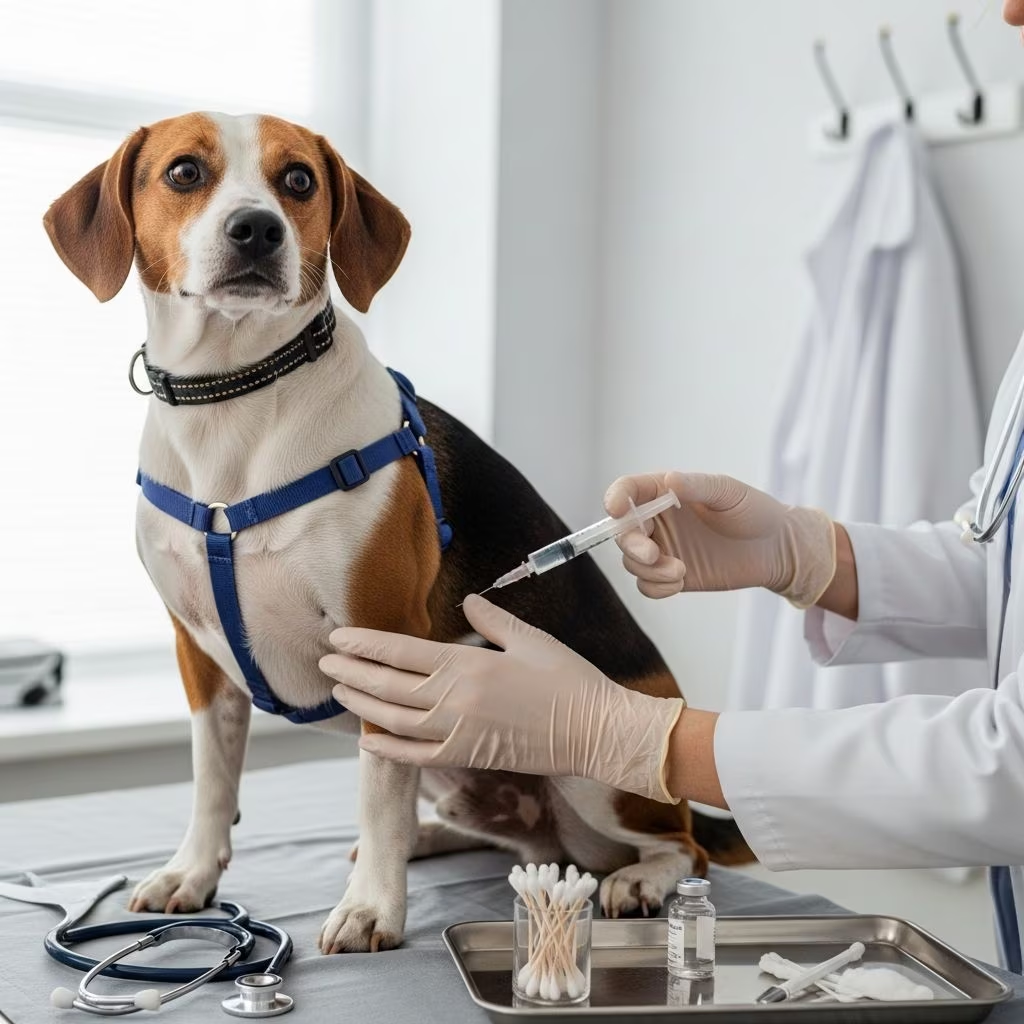
Erythropoietin, often administered as Epogen or Procrit, serves as a vital treatment for dogs experiencing anemia due to chronic kidney disease by stimulating red blood cell production in the bone marrow.
Understanding Anemia in Canine Kidney Disease
Chronic kidney disease (CKD) in dogs impairs the kidneys’ ability to produce erythropoietin, a hormone essential for red blood cell formation, leading to anemia characterized by low packed cell volume (PCV) or hematocrit levels. Symptoms include lethargy, pale gums, rapid heart rate, and reduced appetite, prompting intervention when PCV drops below 20-30%. This condition reduces oxygen delivery throughout the body, exacerbating fatigue and overall weakness in affected pets.
How Erythropoietin Works in Dogs
This synthetic hormone mimics the natural erythropoietin, binding to receptors on bone marrow precursor cells to boost erythrocyte production. Administered via subcutaneous injection, it helps restore PCV to target levels, typically 25-30% for dogs, improving quality of life. Iron supplementation is crucial alongside therapy to support hemoglobin synthesis and prevent deficiency.
Indications and When to Consider Treatment
- Primary Use: Anemia secondary to CKD, where natural hormone levels are insufficient.
- Threshold for Initiation: Clinical signs or PCV under 20-30%, depending on veterinary assessment.
- Adjunct Therapy: Often combined with iron supplements like ferrous sulfate at 100-300 mg/day for dogs.
Veterinarians prescribe it as an extra-label drug since it’s FDA-approved only for humans, but widely used legally in veterinary practice.
Dosage Guidelines and Administration
Initial dosing starts at 50-100 units per kg body weight, given subcutaneously three times weekly until PCV stabilizes, then tapered to once or twice weekly. For example:
| Species | Initial Dose | Frequency | Target PCV |
|---|---|---|---|
| Dogs | 100 U/kg SC | 3x/week, then q7d | 30% |
| Cats (for reference) | 100 U/kg SC | 3x/week | 25% |
Owners must learn injection techniques from vets, using pre-filled vials (2,000-20,000 units/mL). Regular blood monitoring every 1-2 weeks adjusts dosing and checks for response.
Potential Side Effects and Risks
While effective, erythropoietin carries risks including hypertension (40-50% of cases), seizures, and immune-mediated resistance leading to pure red cell aplasia (PRCA) in 25-30% of dogs. PRCA causes sudden worsening of anemia due to antibody formation against the human-derived drug.
- Hypertension: Monitor blood pressure; control before starting.
- Iron Overload or Deficiency: Balance with supplements to avoid complications.
- Resistance: Discontinue if PCV declines during treatment.
Alternatives like darbepoetin show lower PRCA rates (<10%) and longer dosing intervals (1-3 weeks).
Monitoring Protocols for Optimal Outcomes
Success requires baseline and follow-up tests: PCV/hematocrit weekly initially, then biweekly; blood pressure checks; iron levels (serum ferritin, total iron-binding capacity). Target PCV achievement signals dose reduction; persistent low levels may indicate resistance or underlying issues.
Troubleshooting Low PCV:
- Confirm adherence to dosing and iron therapy.
- Rule out bleeding or infection.
- Switch to darbepoetin if resistance suspected.
- Consider canine-specific erythropoietin (research stage).
Brand Names, Availability, and Storage
Available as Epogen (Amgen) or Procrit (Ortho Biotech) in injectable vials; no veterinary-specific formulations exist. Store refrigerated; discard unused portions after single use. Obtain only via veterinary prescription.
Interactions and Contraindications
Avoid in dogs with uncontrolled hypertension, hypersensitivity, or active infections. Potential interactions with antihypertensives or bone marrow suppressants; always disclose full medication history. Not for use in pets without anemia confirmation.
Long-Term Management and Prognosis
Therapy duration varies; some dogs maintain response for months, others develop resistance requiring alternatives like darbepoetin or supportive care (blood transfusions). Combining with renal diets, phosphate binders, and ACE inhibitors optimizes CKD management. Prognosis improves with early intervention, but CKD progression limits long-term success.
Owner Responsibilities and Home Care
- Administer injections consistently at set times.
- Track appetite, energy, and gum color daily.
- Report vomiting, seizures, or lethargy immediately.
- Attend all recheck appointments for bloodwork.
Cost considerations: Injections and monitoring can total hundreds monthly; discuss budgets with vets.
Advances in Anemia Treatments for Dogs
Canine recombinant erythropoietin shows promise without PRCA risks but lacks commercial availability. Darbepoetin alfa, a longer-acting ESA, gains favor for fewer injections and better tolerance. Ongoing research aims at species-specific options to enhance safety.
Frequently Asked Questions (FAQs)
Can all dogs with kidney disease receive erythropoietin?
No, only those with confirmed non-regenerative anemia and after ruling out contraindications like high blood pressure.
How quickly does erythropoietin improve PCV in dogs?
Response typically seen in 1-2 weeks with rising PCV; full stabilization may take 4-6 weeks.
What if my dog develops resistance to the drug?
Discontinue and consider darbepoetin or other therapies; pure red cell aplasia requires urgent vet care.
Is iron supplementation always necessary?
Yes, recommended concurrently to support red cell production and prevent deficiency.
Can I use human Epogen directly for my dog?
Only under veterinary supervision with precise dosing; self-administration risks overdose or underdose.
Conclusion: Empowering Pet Owners with Knowledge
Erythropoietin offers a lifeline for anemic dogs with CKD, but demands vigilant monitoring to balance benefits against risks like resistance and hypertension. Collaborate closely with your veterinarian for tailored protocols, ensuring your furry companion enjoys renewed vitality.
References
- Erythropoietin (Epogen®, Procrit®) for Dogs and Cats — PetPlace. Accessed 2026. https://www.petplace.com/article/drug-library/drug-library/library/erythropoietin-epogen-procrit-for-dogs-and-cats
- Erythropoiesis-Stimulating Agents and Hematinics for Treatment of Anemia — Merck Veterinary Manual. Accessed 2026. https://www.merckvetmanual.com/multimedia/table/erythropoiesis-stimulating-agents-and-hematinics-for-treatment-of-anemia
- Managing Anemia in Patients with Chronic Kidney Disease — dvm360. Accessed 2026. https://www.dvm360.com/view/managing-anemia-patients-with-chronic-kidney-disease
- Erythropoietin – Client Information Leaflet — Woodward Vets. Accessed 2026. https://www.woodward-vets.co.uk/images/downloads/medication-leaflets/Erythropoietin.pdf
- Epogen Injectable — Covetrus Pharmacy. Accessed 2026. https://countryhillspets.covetruspharmacy.com/product/3007685/Epogen%20Injectable
- The Use of Darbepoetin to Stimulate Erythropoiesis in the Treatment… — PMC (NCBI). 2017. https://pmc.ncbi.nlm.nih.gov/articles/PMC5354051/



