

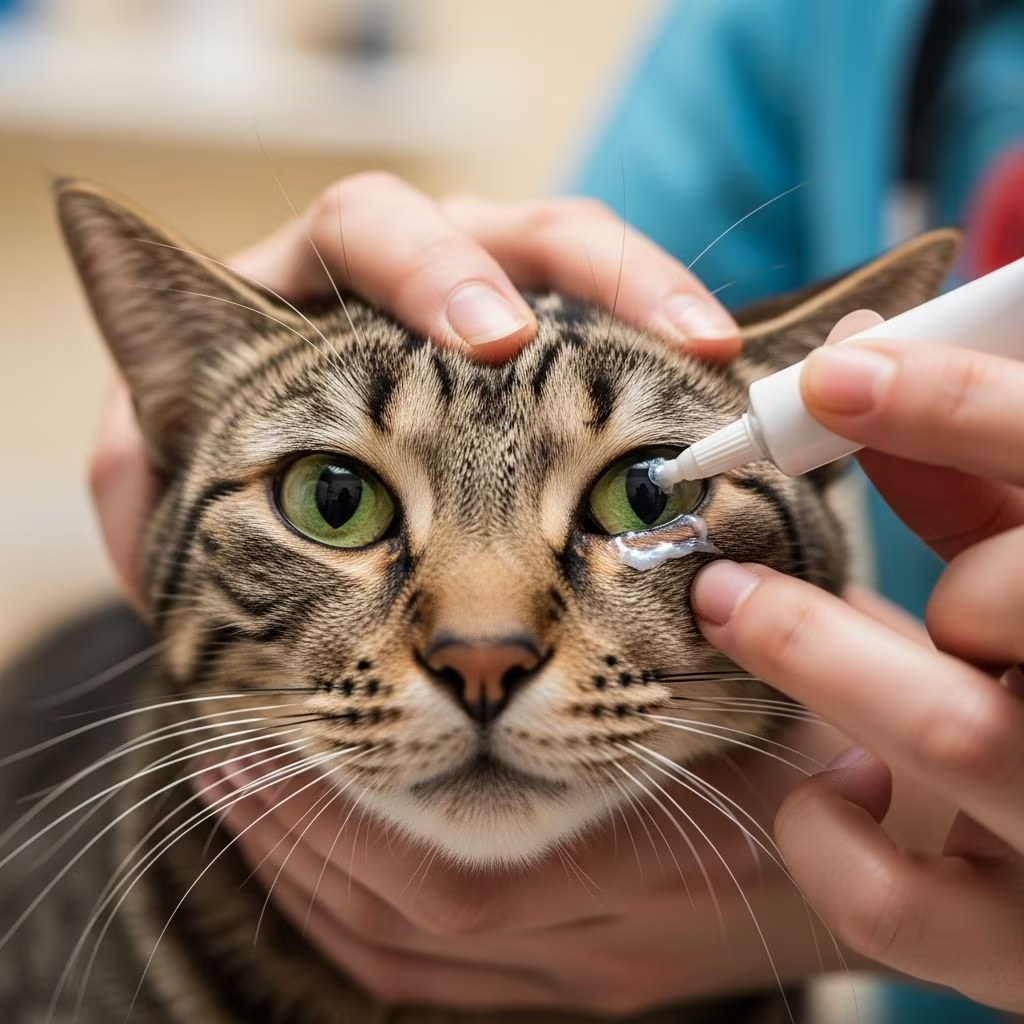
Erythromycin Ophthalmic for Pets
Erythromycin ophthalmic is a topical antibiotic medication used to treat bacterial eye infections in companion animals including dogs, cats, and other species. This prescription medication comes in ointment form and is applied directly to the affected eye to combat superficial ocular infections caused by bacteria sensitive to erythromycin. While the FDA has approved erythromycin ophthalmic for human use, veterinarians may prescribe this medication for off-label use in animals under specific circumstances, allowing pet owners to access this effective treatment option for their furry companions.
What is Erythromycin Ophthalmic?
Erythromycin ophthalmic ointment is classified as a topical antibiotic belonging to the macrolide family of antimicrobial agents. The medication is formulated as a 5 mg/g (0.5%) ophthalmic ointment, designed specifically for application to the eye surface. This antimicrobial medication works by inhibiting bacterial protein synthesis, effectively stopping the growth and reproduction of susceptible bacteria causing conjunctival and corneal infections. The antimicrobial classification of this drug is considered critically important in veterinary medicine due to its effectiveness against various bacterial pathogens.
Common Forms and Availability
Erythromycin ophthalmic is primarily available as a human-labeled generic medication. The standard formulation contains 5 mg/g (0.5%) concentration in ointment form, typically dispensed in small tubes suitable for precise eye application. While no veterinary-specific formulations exist, veterinarians can legally prescribe the human product for use in animals when deemed medically appropriate. This off-label use is common in veterinary practice and allows pet owners to access this effective treatment through licensed veterinary pharmacies with a valid veterinary prescription.
How is Erythromycin Ophthalmic Used?
Proper administration of erythromycin ophthalmic is essential for achieving therapeutic effectiveness and preventing contamination. The medication must be applied exactly as prescribed by your veterinarian to ensure optimal treatment outcomes. Understanding the correct application technique helps maximize the medication’s efficacy while minimizing potential complications.
Administration Guidelines
Before administering erythromycin ophthalmic to your pet, always wash your hands thoroughly with soap and water. When applying the ointment, hold the tube or applicator carefully and create a small ribbon of medication along the lower eyelid of the affected eye. It is critically important that the applicator tip never touches your pet’s eye surface, eyelids, or any other surface to prevent contamination of the medication and reduce the risk of introducing additional bacteria into the eye. After application, gently massage the closed eyelid to help distribute the medication across the corneal and conjunctival surfaces. This simple massage technique enhances the medication’s contact with the infected tissue, improving treatment efficacy.
Multiple Medication Administration
If your veterinarian has prescribed multiple eye medications for your pet, proper spacing between applications is essential. Always wait 5 to 10 minutes between administering different eye medications. Eye drops should be administered before eye ointments, as the watery consistency of drops allows for better absorption when applied first. This sequencing ensures that each medication has adequate time to take effect without interfering with other treatments your pet is receiving.
Completing the Full Course
It is crucial to administer erythromycin ophthalmic for the entire duration prescribed by your veterinarian, even if your pet appears to be feeling better after a few days. Stopping treatment prematurely can result in incomplete infection resolution and the potential development of antibiotic-resistant bacteria. Consistent adherence to the prescribed treatment schedule ensures complete elimination of the bacterial infection and prevents recurrence or complications.
What Conditions Does Erythromycin Ophthalmic Treat?
Erythromycin ophthalmic is specifically indicated for treating superficial ocular infections affecting the cornea and conjunctiva. The medication is effective against bacterial pathogens that are sensitive to erythromycin’s antimicrobial properties. Common eye conditions treated with this medication include bacterial conjunctivitis and keratitis when caused by susceptible organisms. Your veterinarian will determine whether erythromycin is appropriate for your pet’s specific eye condition based on the clinical presentation and any diagnostic testing performed.
How Long Until the Medication Works?
Erythromycin ophthalmic begins exerting its antimicrobial effects relatively quickly after application. The medication should start having therapeutic effects within 1 to 2 hours of administration; however, you may not observe obvious outward improvements during this initial period. Most pets begin showing clinical improvement and feeling noticeably better within 1 to 2 days of starting treatment. The effects of this medication are short-lived, lasting approximately 24 hours after each application. This short duration of action is why consistent, regular application according to your veterinarian’s prescribed schedule is essential for maintaining adequate therapeutic levels and achieving complete infection resolution.
Potential Side Effects
While erythromycin ophthalmic is generally well-tolerated, some pets may experience mild to moderate side effects. Understanding potential adverse reactions allows you to monitor your pet closely and contact your veterinarian if concerning symptoms develop.
Common Side Effects
The most frequently reported side effects associated with erythromycin ophthalmic include local irritation and inflammation of the eye tissues. Pets may experience stinging or burning sensations upon application, mild swelling of the eyelids or conjunctiva, itching around the eye, and reddening of the conjunctiva and surrounding tissues. These common reactions are typically mild and often resolve as treatment continues. However, if irritation becomes severe or persistent, notify your veterinarian.
Rare but Serious Reactions
Although uncommon, some pets may develop allergic reactions to erythromycin ophthalmic. Signs of a true allergic reaction include irregular or labored breathing, development of a rash on the skin, fever, and significant puffiness or swelling around the face and eyes. In small mammals and pocket pets such as rabbits, guinea pigs, chinchillas, and hamsters, ingestion of erythromycin can cause gastrointestinal disturbances including diarrhea. If you observe any signs of allergic reaction or other unusual symptoms, contact your veterinarian immediately. Do not continue administration without veterinary guidance if an allergic reaction is suspected.
Sensitivity Development
Drug sensitivities can develop over time with repeated exposure to medications. Your pet may tolerate the first few doses of erythromycin ophthalmic without any adverse reaction but may develop sensitivity later in the treatment course. This delayed sensitivity development makes it important to monitor your pet throughout the entire duration of treatment, not just during the initial applications. Report any new or worsening symptoms to your veterinarian promptly.
When Should Erythromycin Ophthalmic Not Be Used?
Erythromycin ophthalmic is not appropriate for use in all pets under all circumstances. Your veterinarian will carefully evaluate whether this medication is suitable for your pet’s specific situation. The drug should not be used in patients with known hypersensitivity or allergies to erythromycin or other macrolide antibiotics. Pets with a history of allergic reactions to this medication class should never receive erythromycin ophthalmic. Additionally, erythromycin should not be used in small mammals and pocket pets without explicit veterinary approval, as these species may be more prone to adverse reactions, particularly gastrointestinal complications if any medication is ingested.
Special Considerations
While erythromycin ophthalmic can be used in most dogs and cats, certain individual circumstances warrant careful evaluation. Pets with severe eye damage or perforated corneas may require alternative treatment approaches. If your pet is currently taking other medications, discuss potential drug interactions with your veterinarian before starting erythromycin ophthalmic. Your veterinarian will assess the risk-benefit ratio and determine whether the therapeutic benefits of using this medication outweigh any potential risks in your pet’s particular situation.
Missed Doses and Dosing Schedule
If you miss a scheduled dose of erythromycin ophthalmic, administer the medication as soon as you remember. However, if the time for the next scheduled dose is approaching, skip the missed dose and resume your regular dosing schedule at the next appointed time. Never attempt to compensate by giving your pet two doses at once or administering extra doses. Maintaining a consistent dosing schedule is more important than making up occasional missed doses. Setting alarms or reminders on your phone can help you remember to administer the medication on time.
Storage and Handling
Store erythromycin ophthalmic ointment according to the directions provided on the prescription label, typically at room temperature away from excessive heat and light. Keep the medication tube tightly capped when not in use to prevent contamination and degradation. Never share the medication container or applicator tip with other pets, as this can spread infection between animals. Discard any medication that has expired or shows signs of deterioration, and do not use medication prescribed for a previous pet or condition without explicit veterinary approval.
Drug Classification and Antimicrobial Importance
Erythromycin is classified as a macrolide antibiotic, belonging to an antimicrobial class of critically important drugs in human and veterinary medicine. This classification reflects the drug’s significance in treating infections caused by bacteria resistant to other antibiotic classes. Because of its importance, judicious use of erythromycin helps preserve its effectiveness and combat the development of antibiotic resistance. Using this medication only when clinically indicated and completing the full prescribed course helps maintain this important therapeutic tool for future use.
Frequently Asked Questions
Q: Can erythromycin ophthalmic be used in all pets?
A: Erythromycin ophthalmic can be used in dogs and cats, but should not be used in small mammals or pocket pets without veterinary approval due to potential gastrointestinal complications if ingested.
Q: How often should erythromycin ophthalmic be applied?
A: The frequency of application depends on your veterinarian’s specific instructions for your pet’s condition. Follow the prescribed dosing schedule exactly as directed on the medication label.
Q: Is erythromycin ophthalmic a human or veterinary medication?
A: Erythromycin ophthalmic is FDA-approved for human use. Veterinarians prescribe this human-labeled medication for off-label use in animals when deemed medically appropriate.
Q: What should I do if my pet develops an allergic reaction?
A: If you observe signs of an allergic reaction such as irregular breathing, rash, fever, or swelling around the face, contact your veterinarian immediately and discontinue the medication.
Q: How long does treatment typically last?
A: Treatment duration depends on the severity of the infection and your pet’s response to therapy. Follow your veterinarian’s instructions regarding how long to continue administering the medication.
Q: Can erythromycin ophthalmic be used with other eye medications?
A: Yes, erythromycin ophthalmic can often be used with other eye medications. If using multiple medications, wait 5 to 10 minutes between applications and apply eye drops before eye ointments.
Q: What if the applicator tip touches my pet’s eye?
A: Prevent the applicator tip from touching the eye surface. If contact occurs, rinse the tip with sterile water or saline solution before the next application to prevent contamination.
Q: Is it safe to stop treatment early if my pet seems better?
A: No, always complete the full course of treatment as prescribed by your veterinarian, even if your pet appears to be improving. Stopping early can result in incomplete infection resolution.
References
- Erythromycin Ophthalmic Information Sheet — Veterinary Wellness Center of Boerum Hill. 2024. https://boerumhillvet.com/wp-content/uploads/2024/06/Erythromycin-Ophthalmic.pdf
- Erythromycin Ophthalmic for Cats and Dogs — Brampton Veterinarian. 2024. https://bramptonveterinarian.com/erythromycin-ophthalmic/
- Erythromycin Ophthalmic Ointment Treatment Guide — Sand Creek Animal Hospital. 2024. https://sandcreekanimalhospital.com/blog/erythromycin-ophthalmic/
- Antimicrobial Use in Animals: Pharmacology — Merck Veterinary Manual. 2024. https://www.merckvetmanual.com/pharmacology/systemic-pharmacotherapeutics-of-the-eye/antimicrobial-use-in-animals
- Erythromycin Eye Ointment for Dogs and Cats — VetRxDirect. 2024. https://www.vetrxdirect.com/product/view/erythromycin-eye-ointment-for-dogs-and-cats-rx
- Erythromycin for Dogs: Usage and Dosage — Wag Walking. 2024. https://wagwalking.com/treatment/erythromycin-for-dogs
- Erythromycin 0.5% Ophthalmic Ointment Product Information — Express Vet Pharmacy. 2024. https://expressvetpharmacy.com/products/erythromycin-0-5-ophthalmic-ointment-3-5-gm



