

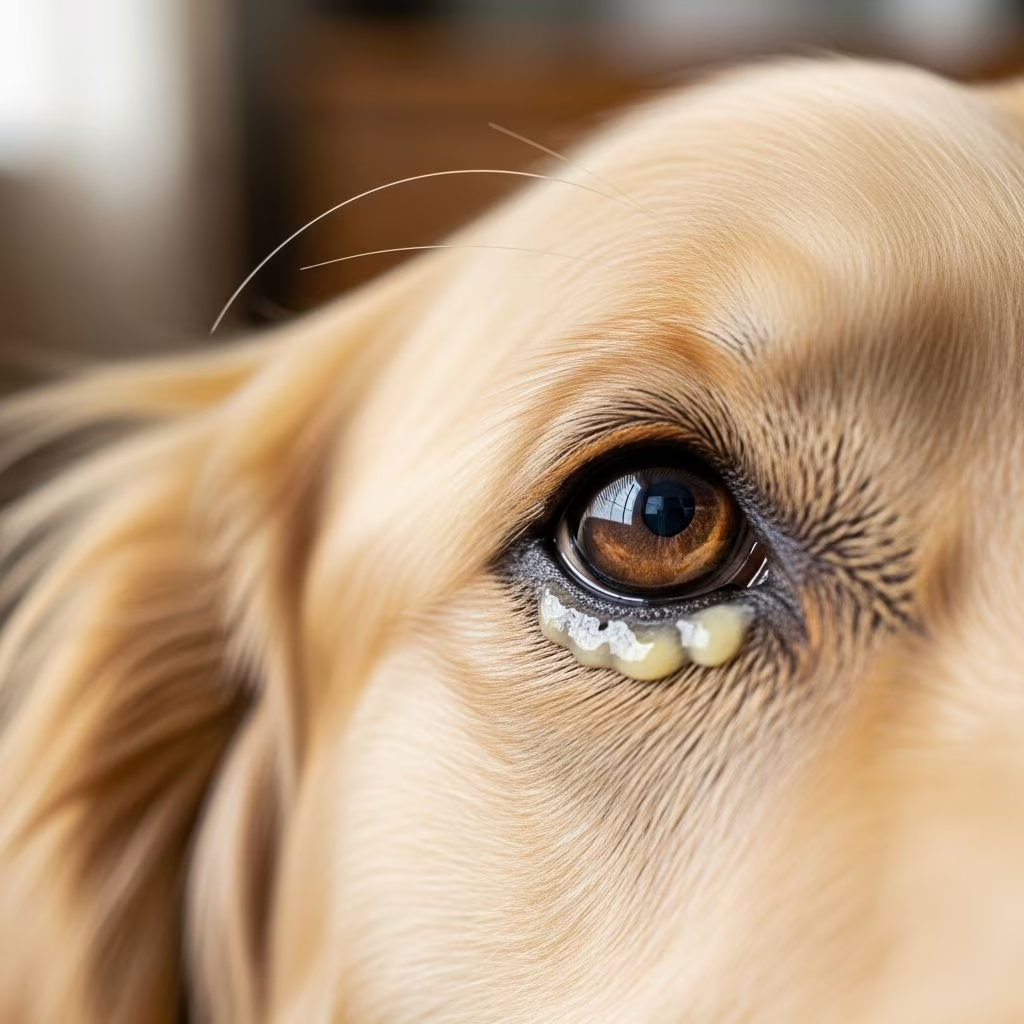
Erythromycin ophthalmic ointment 0.5% serves as a targeted antibiotic treatment for bacterial eye infections in dogs, helping to alleviate symptoms like redness, discharge, and discomfort by halting bacterial growth.
Understanding Bacterial Eye Infections in Canines
Canine eye infections often arise from bacteria invading the ocular surface, leading to conditions such as conjunctivitis or keratitis. These infections can cause swelling, excessive tearing, squinting, and pus-like discharge, potentially impairing vision if untreated. Factors like allergies, foreign objects, or weakened immunity increase susceptibility. Prompt intervention with antibiotics like erythromycin prevents complications such as corneal ulcers.
Common culprits include Staphylococcus and Streptococcus species, which thrive in the moist environment of the eye. Unlike viral or fungal issues, bacterial infections respond well to topical antibiotics, making erythromycin a first-line choice for superficial cases.
How Erythromycin Ophthalmic Ointment Functions
This ointment contains 0.5% erythromycin, a macrolide antibiotic that penetrates bacterial cells and disrupts protein synthesis, essential for their reproduction. By inhibiting this process, it effectively eliminates susceptible bacteria without broadly affecting the dog’s microbiome.
Formulated specifically for ocular use, the ointment adheres to the eye surface longer than drops, ensuring sustained drug delivery. It targets infections in the conjunctiva, cornea, and eyelids, promoting faster healing and reduced inflammation.
Conditions Treated with Erythromycin in Dogs
- Conjunctivitis: Inflammation of the conjunctiva, marked by redness and discharge.
- Keratitis: Corneal inflammation, often with cloudiness or pain.
- Blepharitis: Eyelid edge infection causing crusting and swelling.
- Superficial Ulcers: Minor scratches prone to bacterial superinfection.
While effective against gram-positive bacteria, it may not cover all pathogens; vets may culture swabs for precise diagnosis.
Administering the Ointment Step-by-Step
Always secure a veterinary prescription, as this is a regulated medication. Dosage typically involves a 1 cm ribbon applied to the affected eye up to six times daily, based on infection severity.
- Prepare: Wash hands thoroughly and shake the tube if needed.
- Position Dog: Gently restrain and tilt the head back.
- Apply: Pull down the lower lid, squeeze ointment into the sac without touching the tip to the eye.
- Spread: Release the lid, massage gently for 30 seconds.
- Repeat: For both eyes if bilateral, waiting 5 minutes between applications or other meds.
Treatment duration is usually 5-7 days or as prescribed; complete the course to avoid resistance.
Potential Side Effects and Monitoring
Most dogs tolerate erythromycin well, but mild reactions like temporary blurred vision, stinging, or increased tearing may occur. Rare issues include allergic responses such as severe redness or swelling—discontinue and consult a vet immediately.
| Symptom | Frequency | Action |
|---|---|---|
| Blurred vision or tearing | Common (transient) | Monitor; normalizes quickly |
| Irritation/itching | Occasional | Reduce frequency; vet check |
| Severe swelling | Rare | Stop use, seek urgent care |
Watch for worsening infection signs, indicating resistance or misdiagnosis.
Precautions and Contraindications
Avoid in dogs with known erythromycin hypersensitivity or viral/fungal eye issues, as it won’t help and may worsen them. Safety in pregnant or lactating dogs lacks full establishment; vet approval required. Maintain sterility—never touch the applicator tip. Not for pocket pets without guidance.
Human-labeled product used extra-label in vets per FDA allowance.
Benefits Over Alternative Treatments
Erythromycin offers advantages like ease of application, low systemic absorption, and efficacy against common canine pathogens. Compared to drops, ointment stays longer; versus oral antibiotics, it minimizes gut side effects.
| Treatment | Pros | Cons |
|---|---|---|
| Erythromycin Ointment | Targeted, adherent, minimal systemic effects | May blur vision temporarily |
| Antibiotic Drops | Quick absorption | Frequent dosing, runoff |
| Oral Antibiotics | Systemic coverage | GI upset, resistance risk |
Preventing Eye Infections in Dogs
Proactive care reduces recurrence: keep face clean, trim hair around eyes, avoid irritants, and treat allergies promptly. Routine vet eye exams catch issues early. Breeds like Bulldogs or Pugs with prominent eyes are higher risk.
When to Consult a Veterinarian Urgently
- No improvement after 48 hours.
- Cloudy cornea or deep ulcers.
- Behavioral changes like lethargy.
- Concurrent systemic illness.
Self-treatment risks permanent damage; professional diagnosis ensures correct therapy.
Frequently Asked Questions (FAQs)
Can erythromycin ointment be used for cats too?
Yes, it’s safe for cats under vet guidance for similar bacterial infections.
How soon do results appear?
Many dogs show relief in 2-3 days, but finish the full course.
Is it the same as human erythromycin ointment?
Often human-generic, prescribed extra-label for pets with vet oversight.
What if my dog licks the ointment?
Small amounts are low risk; monitor and prevent by distracting post-application.
Can it cause antibiotic resistance?
Possible with misuse; adhere to prescriptions.
Storage and Handling Tips
Store at room temperature, away from light and moisture. Discard after expiration or if contaminated. Keep out of reach of pets and children.
References
- Erythromycin Ophthalmic Ointment 0.5% (3.5 gm) — EntirelyPets Pharmacy. Accessed 2026. https://entirelypetspharmacy.com/erythromycin-opthalmic-solution-3-5gm.html
- Erythromycin 0.5% Ophthalmic Ointment for Pets — Hardy Paw. Accessed 2026. https://hardypaw.com/products/erythromycin-0-5-ophthalmic-ointment-3-5g
- Erythromycin Eye Ointment for Dogs and Cats — VetRxDirect. Accessed 2026. https://www.vetrxdirect.com/product/view/erythromycin-eye-ointment-for-dogs-and-cats-rx
- Erythromycin Ophthalmic (PDF) — Veterinary Wellness Center of Boerum Hill. 2024-06. https://boerumhillvet.com/wp-content/uploads/2024/06/Erythromycin-Ophthalmic.pdf
- Erythromycin for Dogs — WagWalking. Accessed 2026. https://wagwalking.com/treatment/erythromycin-for-dogs



