
Erythrocytosis In Animals: A Practical Veterinary Guide
Comprehensive guide to understanding, diagnosing, and managing elevated red blood cell counts in pets and livestock.
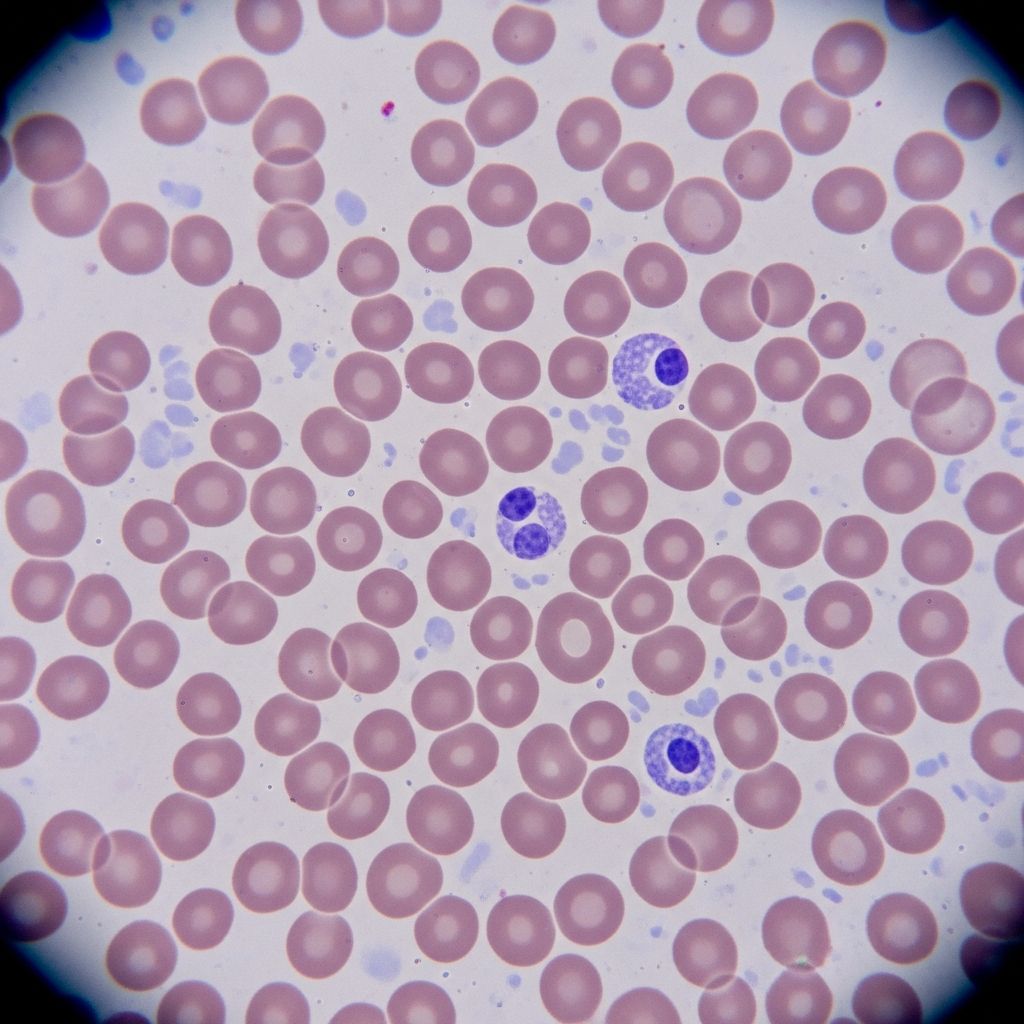
Elevated red blood cell counts, known as erythrocytosis or polycythemia, represent a significant hematologic abnormality in veterinary patients. This condition thickens the blood, potentially leading to impaired circulation, organ stress, and life-threatening complications if untreated. Common in dogs and occasionally seen in cats, horses, and other species, it demands prompt veterinary attention to differentiate underlying causes and initiate appropriate interventions.
Defining Erythrocytosis and Its Impact on Animal Health
Erythrocytosis occurs when the packed cell volume (PCV), red blood cell (RBC) count, or hemoglobin levels exceed normal ranges, often making blood hyperviscous. In dogs, PCV above 60% signals concern, while cats show issues beyond 55%. This viscosity hinders oxygen delivery and nutrient transport, straining the heart and predisposing animals to thrombosis.
The condition disrupts normal physiology by increasing resistance in small vessels, causing sluggish flow. Affected animals may experience reduced stamina, organ ischemia, or bleeding tendencies due to platelet dysfunction. Early recognition is crucial, as timely management can restore normalcy and extend quality life.
Primary Causes of Elevated Red Blood Cell Production
Erythrocytosis manifests in three main forms: relative, secondary absolute, and primary absolute. Each requires distinct diagnostic and therapeutic paths.
- Relative Erythrocytosis: Results from plasma volume depletion, not true RBC overproduction. Dehydration from vomiting, diarrhea, heat stress, or shock concentrates existing cells, mimicking polycythemia.
- Secondary Absolute Erythrocytosis: Driven by excessive erythropoietin (EPO) production, often due to chronic hypoxia. Causes include right-to-left shunts, pulmonary disease, high-altitude living, or EPO-secreting tumors like renal cysts.
- Primary Absolute Erythrocytosis (Polycythemia Vera): A myeloproliferative disorder where bone marrow autonomously overproduces RBCs, independent of EPO stimulation.
In livestock like horses at high elevations, secondary forms predominate due to environmental hypoxia.
Clinical Manifestations and Species-Specific Signs
Symptoms arise from blood sludging and tissue hypoxia. Common presentations include:
- Reddish mucous membranes and injected sclera (“red eye”).
- Lethargy, weakness, and exercise intolerance.
- Polydipsia, polyuria, and petechiae from vascular fragility.
- Neurologic issues like ataxia, seizures, or behavioral changes in severe cases.
| Species | Common Signs | Frequency |
|---|---|---|
| Dogs | Bleeding gums, brick-red tongue, seizures | Most common |
| Cats | Lethargy, anorexia, organomegaly | Rare |
| Horses | Epistaxis, colic, poor performance | Altitude-related |
Dogs often present with acute crises, while cats show subtler, chronic signs.
Diagnostic Pathways for Accurate Identification
Diagnosis begins with a complete blood count (CBC) confirming elevated PCV, RBCs, and hemoglobin. PCV >65% in dogs or >60% in cats warrants further investigation.
A key differentiator is the fluid challenge: administering IV fluids (20-40 mL/kg) over 1-2 hours. PCV normalization indicates relative erythrocytosis; persistence points to absolute forms.
Advanced steps include:
- Serum EPO assay: Low levels support primary polycythemia; high levels indicate secondary causes.
- Imaging: Thoracic radiographs, abdominal ultrasound, echocardiography to detect shunts, tumors, or heart disease.
- Bone marrow evaluation: Hypercellular marrow with RBC precursors confirms polycythemia vera.
Urinalysis checks for hemoglobinuria, and biochemical profiles rule out concurrent issues.
Treatment Approaches Tailored to Cause
Management hinges on type and severity. Relative cases resolve with fluid therapy alone, restoring plasma volume.
For absolute erythrocytosis, phlebotomy is cornerstone: Remove 10-20 mL/kg whole blood, replacing with crystalloids (e.g., lactated Ringer’s at 2-4x volume removed) to dilute hematocrit to 50-60%. Repeat every 1-3 days until stable, targeting PCV <55% in primary cases.
Pharmacologic suppression follows: Hydroxyurea (15-30 mg/kg PO every 48 hours initially) inhibits bone marrow RBC production. Monitor CBC weekly initially, adjusting to q72h as PCV stabilizes. Side effects include myelosuppression, GI upset, and dermatologic changes.
Secondary cases demand cause-directed therapy: Oxygen for hypoxia, tumor excision, or shunt correction.
Supportive measures encompass rest, low-protein diets to curb EPO, and aspirin (5 mg/kg q24h) for antithrombosis in high-risk patients.
Species Variations in Management Strategies
Dogs: The Predominant Patients
Dogs comprise most cases, responding well to combined phlebotomy and hydroxyurea. Median survival exceeds 12-36 months with compliance.
Cats: Challenging and Rare
Felines tolerate phlebotomy less due to smaller volume; target PCV <50%. Hydroxyurea dosing starts at 10 mg/kg q48h.
Large Animals: Practical Considerations
Horses at altitude benefit from descent, leeching, or isovolemic exchange. Prognosis improves with environmental modification.
Monitoring Protocols and Complication Prevention
Post-treatment surveillance includes weekly CBCs for 1 month, then monthly. Track PCV trends, clinical signs via owner logs, and adjust hydroxyurea to maintain PCV 45-55%.
Vigilance for complications like thromboembolism (sudden lameness, dyspnea) or hemorrhage is essential. Prophylactic low-dose clopidogrel may be warranted.
Long-term, some dogs wean off hydroxyurea after 1-2 years, though many require lifelong therapy.
Prognosis Factors Influencing Outcomes
Relative erythrocytosis carries excellent prognosis post-rehydration. Secondary forms depend on treatable causes; primary polycythemia yields 1-3 year survival with diligent care.
Poor indicators include recurrent thrombosis, advanced age, or non-compliance. Euthanasia considerations arise in refractory crises.
Frequently Asked Questions (FAQs)
What triggers erythrocytosis in my dog?
Dehydration, heart/lung issues, tumors, or bone marrow disorders. Veterinary tests pinpoint the root.
Is phlebotomy painful for pets?
Performed under sedation, it’s well-tolerated with immediate symptom relief.
Can diet help manage polycythemia?
Low-protein feeds may reduce EPO; consult vets for tailored plans.
How often are follow-ups needed?
Weekly initially, spacing to quarterly as stable.
Is hydroxyurea safe long-term?
With monitoring, yes; rare side effects managed by dose tweaks.
Preventive Measures and Owner Education
Owners should monitor for early signs like red gums or fatigue, ensure hydration in hot weather, and schedule annual bloodwork for at-risk breeds (e.g., Miniature Schnauzers). High-altitude relocations for horses warrant preemptive checks.
Digital tools for CBC tracking enhance compliance, fostering proactive care.
References
- Vet’s 2025 Guide to Polycythemia in Dogs — AskAVet.com. 2025. https://askavet.com/blogs/news/vet-s-2025-guide-to-polycythemia-in-dogs-diagnosis-treatment-care
- Polycythemia Vera — VCA Animal Hospitals. Accessed 2026. https://vcahospitals.com/know-your-pet/polycythemia-vera
- Polycythemia/Erythrocytosis — MSPCA-Angell. Accessed 2026. https://www.mspca.org/angell_services/24386-2/
- Polycythemia — CV House Vet. Accessed 2026. https://cvhousevet.com/polycythemia/
- Polycythemia in Dogs — PetMD. Accessed 2026. https://www.petmd.com/dog/conditions/cardiovascular/polycythemia-dogs
- Diagnosis and Treatment of Primary Erythrocytosis in a Dog — PubMed/NCBI. 2015-09-01. https://pubmed.ncbi.nlm.nih.gov/26359727/
Similar Articles








Read full bio of medha deb


