
Erysipelas In Poultry: Prevention Tips For Free-Range Flocks
Understanding the rising threat of Erysipelothrix rhusiopathiae in modern poultry systems and strategies for effective management.
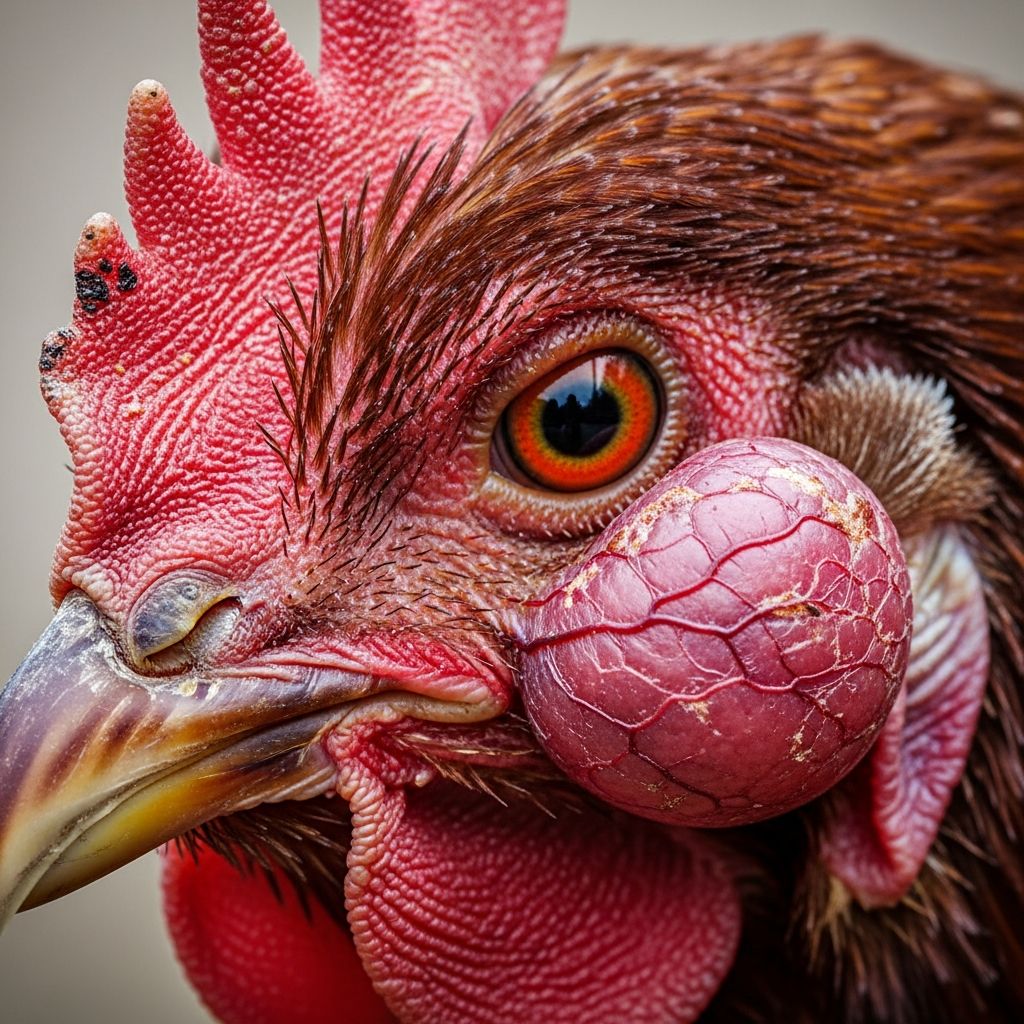
Erysipelas represents a significant bacterial challenge in poultry production, primarily driven by the gram-positive rod Erysipelothrix rhusiopathiae. This pathogen, long recognized in species like swine and turkeys, has gained prominence in chickens, particularly as farming shifts toward cage-free, free-range, and organic systems. These changes expose birds to environmental reservoirs, amplifying outbreak risks and economic impacts through sudden mortality and reduced productivity.
The Pathogen Behind the Disease
Erysipelothrix rhusiopathiae is a facultative anaerobe thriving in diverse hosts, from mammals to birds and fish. In poultry, it manifests as an opportunistic invader, entering via skin abrasions, mucous membranes, or ingestion. The bacterium’s resilience allows survival in soil for weeks to years, especially in alkaline conditions, and persistence in water, litter, and animal remains. Vectors like biting insects, rodents, wild birds, and even semen contribute to its spread.
Historically more common in turkeys, erysipelas now emerges in laying hens aged 43-73 weeks, correlating with housing transitions in Europe and beyond. This shift from confined cages to aviaries and outdoor access heightens exposure to contaminated sources, including prior pig or sheep sites.
Recognizing Clinical Manifestations
Symptoms vary by infection stage and host. Acute cases strike suddenly, often without prior warning.
- Sudden death: Common in turkeys and layers, signaling septicemia.
- Skin changes: Cyanotic combs, swollen snoods (prominent in toms from fighting injuries), scabby lesions, and perineal congestion.
- Behavioral signs: Lethargy, depression, inappetance, sleepiness, and occasional diarrhea or respiratory distress.
- Chronic effects: Arthritis, infertility in males, and muscle hemorrhages.
In laying hens, outbreaks begin with elevated mortality, followed by lethargic birds, swollen heads, and diarrhea. Turkeys show blue combs and petechiae, while free-range chickens face heightened risks from soil contact.
Transmission Pathways in Flocks
The bacterium spreads via multiple routes, complicating control.
| Route | Description | Risk Factors |
|---|---|---|
| Environmental | Soil, water runoff, litter contamination | Free-range systems, alkaline soils |
| Direct contact | Cannibalism, fighting injuries, fecal carriers (up to 41 days) | Overcrowding, tom aggression |
| Vectors | Rodents, wild birds, insects (e.g., red mites), pets | Poor biosecurity |
| Feed/Inputs | Fishmeal, contaminated semen | Shared equipment from other species |
Subclinical carriers maintain reservoirs, with introduction via wild mammals or surface water. Housing on previously used pig/sheep land elevates threats.
Diagnostic Approaches
Confirming erysipelas requires integrating clinical observation with lab tests. Necropsy reveals septicemia hallmarks: swollen liver/spleen, fat petechiae, and cyanotic tissues. Bacterial culture from liver, spleen, or bone marrow, alongside PCR assays, provides definitive identification. Serology for antibodies aids flock screening, especially in research settings.
Differential diagnosis rules out avian influenza, salmonellosis, or pasteurellosis, as signs overlap. Prompt lab submission is crucial during outbreaks.
Treatment Strategies
Antibiotics form the cornerstone of therapy, most effective in acute phases.
- Penicillin: First-line choice; administer 1,000,000 U/gallon in water for 4-5 days flock-wide, extending to 10-14 days for individuals.
- Supportive care: Isolate affected birds, ensure hydration/nutrition, minimize stress.
- Alternatives: Consult vets for resistance patterns; broad-spectrum options if needed.
Early intervention curbs mortality, but chronic cases may persist despite treatment.
Prevention and Control Measures
Proactive strategies outperform reactive ones, emphasizing biosecurity and vaccination.
Biosecurity Essentials
- All-in-all-out production to break cycles.
- Rodent/wildlife exclusion; insect control.
- Disinfectants effective against the hardy bacterium; clean litter/water routinely.
- Avoid sites with erysipelas history in other species.
Vaccination Options
Vaccines control outbreaks in turkeys and swine, with emerging use in layers. Experimental models study immunity, informing future formulations. Antibody assays detect exposure, guiding vaccination timing.
Housing Considerations
Cage-free systems demand vigilant monitoring. Research highlights risk factors like age and density, promoting tailored protocols.
Erysipelas as a Zoonotic Risk
Beyond poultry, E. rhusiopathiae poses human health threats via cuts during handling of infected birds or products. Erysipeloid presents as localized skin infections or rare septicemia/endocarditis, mainly affecting farmers/processors. Gloves, hygiene, and awareness mitigate occupational hazards.
Emerging Trends and Research Directions
Incidence rises with welfare-driven housing changes, prompting multinational studies like EryPoP. These explore epidemiology, wild reservoirs (e.g., boars), pathogenesis, and chicken-specific immunity. Goals include better diagnostics, vaccines, and guidelines for sustainable production.
Organic/free-range growth amplifies needs for integrated management, balancing animal welfare with disease control.
Frequently Asked Questions (FAQs)
What causes erysipelas in poultry?
The bacterium Erysipelothrix rhusiopathiae, thriving in soil and transmitted environmentally or via vectors.
Which poultry are most affected?
Turkeys (especially toms), laying hens in non-cage systems, and increasingly broilers/geese.
How do I know if my flock has erysipelas?
Look for sudden deaths, blue combs/swollen snoods, lethargy; confirm via necropsy/PCR.
Can erysipelas be treated effectively?
Yes, penicillin is highly effective if started early.
Is vaccination recommended?
Available for high-risk flocks; biosecurity remains primary.
Does erysipelas affect humans?
Yes, as erysipeloid through skin contact; use protective gear.
Key Takeaways for Poultry Producers
- Prioritize biosecurity in free-range setups.
- Monitor for acute signs and act swiftly.
- Leverage vaccines and lab diagnostics.
- Address zoonotic risks for farm safety.
By understanding and countering erysipelas dynamics, producers can protect flocks, ensure productivity, and adapt to modern welfare standards.
References
- Overview of Erysipelothrix rhusiopathiae Infection in Animals — Merck Veterinary Manual. 2023. https://www.merckvetmanual.com/infectious-diseases/erysipelothrix-rhusiopathiae-infection/overview-of-erysipelothrix-rhusiopathiae-infection-in-animals
- Erysipelas in Poultry — Poultry Extension, University of Kentucky. 2022. https://poultry.extension.org/articles/poultry-health/common-poultry-diseases/erysipelas-in-poultry/
- Erysipelas — The Poultry Site. 2023. https://www.thepoultrysite.com/disease-guide/erysipelas
- Erysipelas in laying hens — Hendrix Genetics. 2021-04-15. https://layinghens.hendrix-genetics.com/en/articles/erysipelas-in-laying-hens/
- Erysipelas – an emerging disease in animal friendly production systems for poultry and pigs — ERA-LEARN. 2022. https://www.era-learn.eu/network-information/networks/anihwa/3rd-anihwa-joint-call/erysipelas-an-emerging-disease-in-animal-friendly-production-systems-for-poultry-and-pigs
- Erysipelas in Chickens: Signs, Treatment & Prevention — PoultryDVM. 2023. https://poultrydvm.com/condition/erysipelas
Similar Articles








Read full bio of Sneha Tete


