

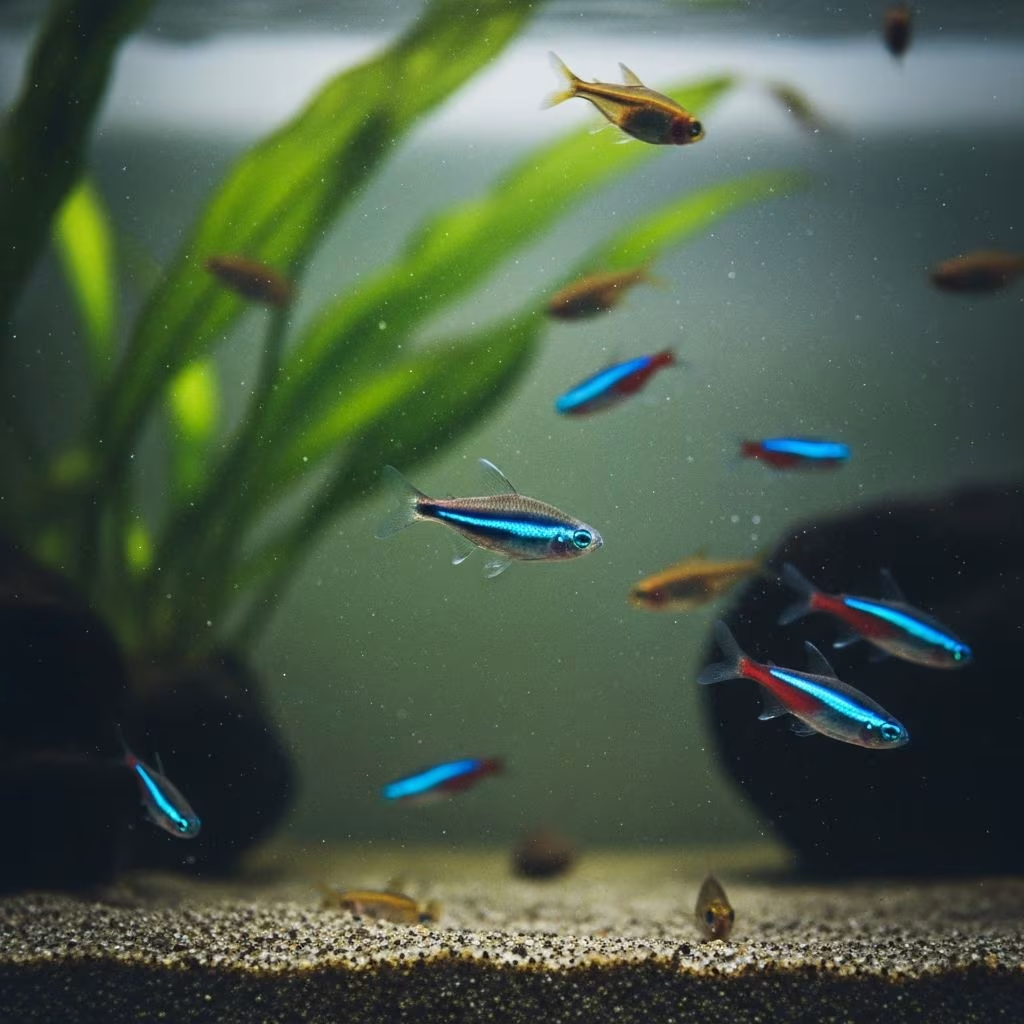
Aquarium enthusiasts often notice their fish darting unpredictably, listing to one side, or struggling to stay afloat. These behaviors signal underlying health or environmental problems that require prompt attention to prevent loss of prized tank inhabitants.
Recognizing Abnormal Movement Patterns
Normal swimming involves smooth, purposeful motion tailored to each species’ habits. Deviations like rapid zigzagging, head-standing, or floating helplessly indicate distress. Observing these early allows for targeted interventions that can save lives and maintain tank harmony.
- Vertical positioning: Fish hovering nose-down or tail-up, unable to level out.
- Lateral instability: Tilting sideways or rolling uncontrollably.
- Erratic darting: Sudden bursts of speed followed by hiding or crashing into surfaces.
- Buoyancy failure: Sinking to the substrate or clinging to the top.
These signs disrupt feeding and rest, weakening the fish further if ignored. Document patterns, including timing and affected individuals, to pinpoint triggers.
The Role of the Swim Bladder in Fish Stability
The swim bladder, a gas-filled sac, acts as a buoyancy regulator, enabling fish to hover effortlessly. Dysfunction here leads to the most frequent erratic swimming complaints. Compression, infection, or malformation impairs gas adjustment, causing imbalance.
Certain breeds face higher risks due to selective breeding for aesthetics over function. Compact-bodied varieties compress this organ more readily under stress or poor diet.
Primary Triggers for Unstable Swimming
Multiple factors converge to disrupt equilibrium. Addressing them systematically restores normalcy.
Dietary Imbalances and Digestive Blockages
Overfeeding clogs intestines, pressing on the swim bladder. Swallowed air from surface gulping exacerbates inflation. Fast for 24-48 hours, then offer digestible fiber like shelled peas to clear blockages.
Water Parameter Deviations
Toxic buildups of ammonia or nitrites at levels above 0 ppm stress organs, inviting bacterial invasions. Sudden temperature drops weaken immunity, fostering infections. Test weekly and adjust gradually.
Infections and Parasites
Bacterial assaults on the swim bladder cause inflammation and fluid buildup. Symptoms include lethargy alongside swimming woes. Quarantine and medicate promptly.
Physical Trauma and Congenital Flaws
Injuries from decor or aggressive tankmates bruise the organ. Inbred lines, like fancy varieties, inherit undersized bladders prone to failure.
Species Vulnerable to Buoyancy Challenges
Not all fish equally suffer these woes. Breeding for rounded forms squeezes vital organs.
| Fish Type | Risk Factors | Prevention Focus |
|---|---|---|
| Fancy Goldfish | Body shape compresses bladder | Controlled feeding, stable temps |
| Betta | Labyrinth organ interference | Low-flow setups |
| Mollies/Guppies | Salt sensitivity | Moderate salinity |
| Angelfish | Fin drag in currents | Gentle filtration |
These species demand vigilant monitoring and tailored habitats.
Step-by-Step Diagnosis Protocol
- Isolate the patient: Move to a hospital tank to curb bullying and spread.
- Assess water: Verify pH, ammonia (0 ppm), nitrites (0 ppm), nitrates (<20 ppm).
- Observe closely: Note bloating, spine curvature, appetite loss.
- Rule out differentials: Distinguish from dropsy (pinecone scales) via symptom tables.
Effective Treatment Strategies
Tailor remedies to the cause for optimal recovery.
- Fasting and laxatives: 1-3 days without food, followed by pea portions for constipation relief.
- Salt therapy: Add 1 tsp/gallon non-iodized salt to aid osmoregulation in freshwater setups.
- Antibiotics: For infections, use vet-approved meds after confirming bacterial role.
- Flow reduction: Baffle filters to ease exertion, boosting oxygenation.
- Temperature stabilization: Raise 2°F gradually to enhance metabolism without shock.
Monitor progress daily; full recovery may take 7-14 days.
Proactive Prevention Measures
Avoid recurrences through routine husbandry.
- Feed sparingly: What they eat in 2 minutes, varied flakes/pellets/tablets.
- Maintain pristine water: 20-30% changes weekly.
- Match tank flow to fish needs: Slow for bettas, moderate for tetras.
- Quarantine newcomers: 2-4 weeks to block pathogens.
- Observe routinely: Daily checks catch issues early.
Advanced Tank Optimization Tips
Beyond basics, refine setups for resilience. Use live plants for natural filtration, reducing nitrates organically. Install adjustable powerheads for customizable currents. Employ auto-top-off systems to prevent evaporation-induced parameter swings.
For high-risk species, consider species-only tanks or low stocking densities to minimize stress.
When to Seek Professional Help
If symptoms persist post-treatment, consult a vet specializing in fish. Chronic cases may signal genetic doom or untreatable infections. Euthanasia, though heartbreaking, spares suffering in terminal scenarios.
Frequently Asked Questions
Is erratic swimming contagious?
Underlying infections might spread, but buoyancy issues themselves are not. Quarantine regardless.
Can swim bladder problems resolve naturally?
Mild digestive cases often do with fasting; infections require aid.
How long until improvement shows?
24-72 hours for diet fixes; longer for meds.
Does salt harm plants or inverts?
Yes, use bare hospital tanks for salt baths.
Prevent in community tanks?
Yes, via impeccable maintenance and observation.
Long-Term Aquarium Health Blueprint
Sustain a thriving community by integrating these into weekly routines: parameter logging, feeding audits, decor safety checks. Invest in quality test kits and backup equipment. Educate on species quirks for preemptive tweaks.
Erratic swimming, while alarming, responds well to informed action. Empowered keepers turn crises into stronger bonds with their aquatic charges.
References
- Swim Bladder Disorder in Aquarium Fish: Causes, Symptoms, and Treatment — Complete Koi. 2023. https://www.completekoi.com/blogs/news/swim-bladder-disorder-in-aquarium-fish-causes-symptoms-and-treatment
- Treating Swimbladder Infections — Interpet. 2024. https://interpet.co.uk/support/we-can-help-you-with/your-fish/your-fish-health/swim-bladder-infections/



