

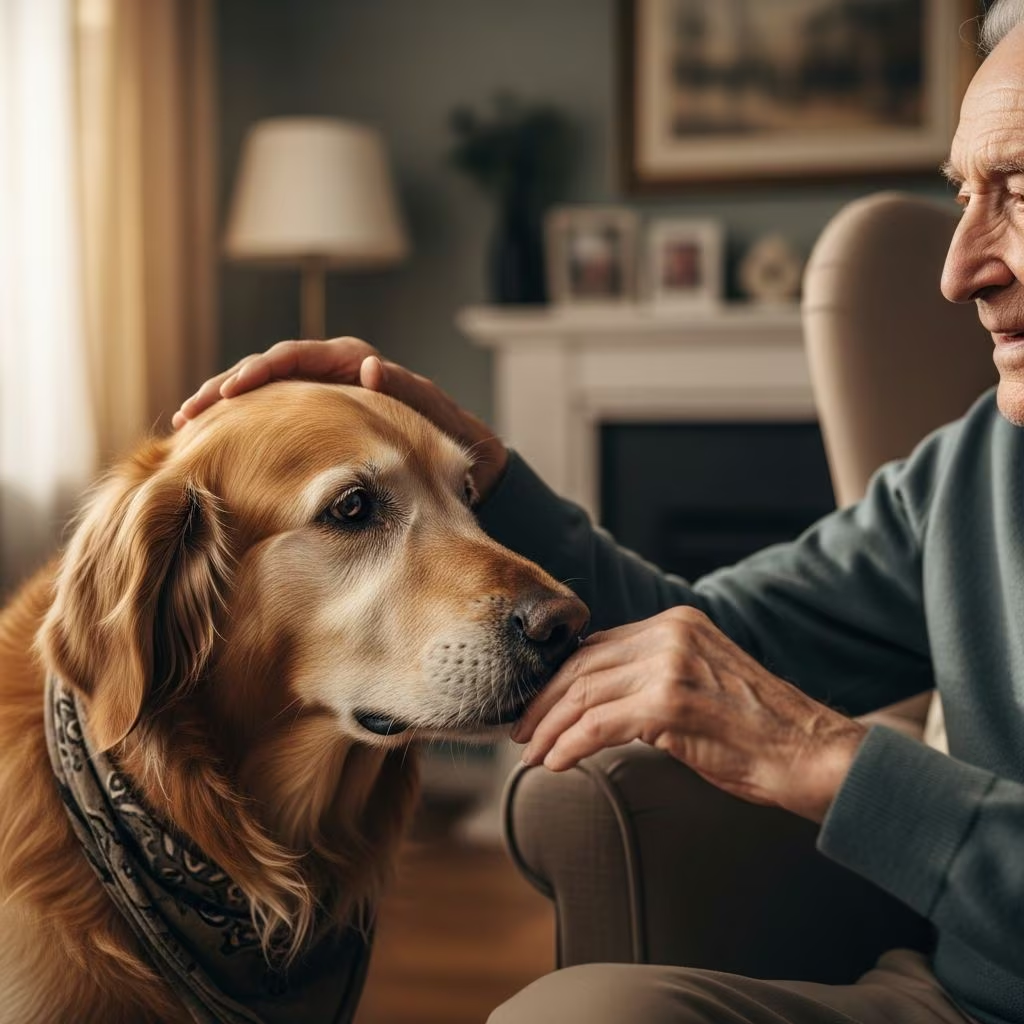
Meet Ernest: Senior Dog Beats Cancer and Now Helps a Man With Alzheimer’s
In the world of rescue animals, few stories are as inspiring and heartwarming as that of Ernest, a senior dog who not only survived a devastating cancer diagnosis but transformed his life to become a dedicated therapy dog. Ernest’s journey is a testament to the resilience of senior dogs and the profound impact they can have on human lives, particularly for individuals facing serious health challenges like Alzheimer’s disease. His story reminds us that age is just a number, and that senior dogs often possess the wisdom, patience, and compassion needed to make a real difference in the world.
Ernest’s path to becoming a therapy dog wasn’t a straightforward one. Like many rescue dogs, his early years were uncertain, and his later years brought unexpected health challenges that could have ended his story prematurely. However, thanks to the dedication of his family and his own indomitable spirit, Ernest not only survived cancer but flourished, discovering a new purpose that brings joy and comfort to those who need it most.
Ernest’s Battle With Cancer
Ernest’s cancer diagnosis came as a shock to his family. Like many senior dogs, he developed health complications that required immediate veterinary attention. The initial symptoms were alarming—Ernest became lethargic, showing little of the vitality one might expect from a beloved family pet. His energy levels dropped significantly, and his family noticed he was struggling with everyday activities that had once come easily to him.
When veterinary scans revealed the full extent of Ernest’s condition, the diagnosis was dire. Imaging showed internal bleeding and a new tumor in his lungs—conditions that typically signal a grim prognosis. Many families facing this situation are advised that their options are limited, and difficult decisions must be made about their pet’s quality of life and comfort. For Ernest’s family, this was an incredibly painful moment, as they grappled with the reality that their cherished companion might not have much time left.
However, the family refused to give up without exploring all possible options. Rather than accepting the initial prognosis as final, they sought additional medical expertise and pursued aggressive treatment options. Their determination to give Ernest another chance would prove to be the turning point in his story. Through a combination of dedicated veterinary care, proper treatment protocols, and the supportive environment provided by his loving family, Ernest began to recover. Against the odds, this senior dog started to show signs of improvement, eventually achieving remission from his cancer.
From Survivor to Therapy Dog
Once Ernest had overcome his health crisis and begun recovering his strength, his family noticed something remarkable about his demeanor. Despite everything he had endured, Ernest possessed a gentle, calm, and naturally compassionate nature. He seemed to have an intuitive understanding of human emotions and a genuine desire to comfort those around him. These qualities, combined with his patience and serene presence, made him an ideal candidate for therapy work.
Ernest was trained to become a full-fledged therapy dog, a role that requires not just natural ability but also formal training, certification, and ongoing dedication. Therapy dogs differ from service dogs in that they don’t perform specific tasks for individuals with disabilities; instead, they provide emotional support and comfort through their presence, allowing people to pet them, spend time with them, and benefit from the calming effects of human-animal interaction.
As a certified therapy dog, Ernest began his new career helping individuals facing some of life’s greatest challenges. His most significant role has been working with a man diagnosed with Alzheimer’s disease, a progressive neurological condition that affects memory, cognitive function, and emotional regulation. For individuals with Alzheimer’s, the confusion, fear, and frustration that accompany memory loss can be overwhelming, and traditional therapeutic interventions don’t always provide adequate relief.
Ernest’s Impact on Alzheimer’s Care
The relationship between Ernest and the man he helps is a beautiful example of how animals can provide therapeutic benefits that complement traditional medical care. Alzheimer’s disease presents unique challenges for both patients and caregivers. As the disease progresses, individuals often experience increased anxiety, agitation, and a sense of disconnection from the world around them. Traditional medications can help manage some symptoms, but they don’t address the emotional and social aspects of the disease.
Ernest’s presence offers something different. Research on animal-assisted therapy has demonstrated that interaction with therapy animals can reduce stress hormones, lower blood pressure, decrease anxiety, and improve overall emotional well-being. For someone with Alzheimer’s, these benefits are invaluable. Ernest provides a constant, non-judgmental companion who doesn’t care if his owner forgets his name or repeats the same story multiple times. This unconditional acceptance is profoundly healing.
Many individuals with Alzheimer’s find comfort in the tactile experience of petting an animal. The soft fur, the warmth of a living being, and the rhythmic motion of petting can have a deeply soothing effect. Ernest seems to understand this instinctively, and according to his owner, “he could sit and be petted all day.” This patient tolerance and willingness to provide comfort for hours at a time make Ernest an exceptionally valuable therapy companion.
Beyond the direct benefits to the individual with Alzheimer’s, Ernest also provides support to family members and caregivers. Managing Alzheimer’s can be emotionally and physically exhausting, and the presence of a loving animal can provide respite and comfort to the entire care network surrounding the patient.
Beyond One Patient: Ernest’s Broader Community Impact
Ernest’s work isn’t limited to one individual. In addition to his work with the man diagnosed with Alzheimer’s, Ernest regularly visits local college students, providing comfort and companionship to young people who may be experiencing stress, anxiety, or loneliness. College campuses have increasingly recognized the value of therapy animal programs, as student mental health challenges have reached epidemic proportions in recent years.
During his visits to college students, Ernest provides the same calm, grounding presence that he offers to his primary patient. Students benefit from interacting with him, taking breaks from their studies to spend time with a therapy animal, which has been shown to reduce cortisol levels and provide temporary relief from academic stress. Many colleges now incorporate therapy dogs into their mental health and wellness programs, recognizing that these animals provide an accessible, non-stigmatized way for students to seek emotional support.
Ernest’s ability to connect with people across different age groups and circumstances demonstrates the universal appeal and efficacy of human-animal bonds. Whether comforting someone struggling with memory loss or providing stress relief to a college student, Ernest brings the same qualities of presence, patience, and unconditional love.
The Special Nature of Senior Dog Rescues
Ernest’s story also highlights why senior dogs deserve special attention and consideration in the rescue community. Many people assume that rescue dogs should be young and energetic, but senior dogs often make exceptional companions and therapy animals. They typically have calmer temperaments, lower exercise requirements, and deeply ingrained social skills developed over years of living with humans.
Senior dogs like Ernest often bond intensely with their families and demonstrate remarkable loyalty. They don’t require the same level of training as puppies, and they often come with house-training already completed. For therapeutic work, these qualities are invaluable. A calm, well-adjusted senior dog may be better suited for therapy work than a young, exuberant dog that requires extensive training to learn patience and focus.
Additionally, rescue senior dogs have often endured difficult circumstances, and many seem to possess an intuitive empathy for human suffering. Having experienced hardship themselves, these dogs appear to understand and respond compassionately to the pain and confusion of others, making them exceptionally effective therapy animals.
Key Benefits of Animal-Assisted Therapy
Ernest’s work as a therapy dog exemplifies the documented benefits of animal-assisted therapy across multiple therapeutic contexts:
- Stress Reduction: Interaction with therapy animals reduces cortisol levels and activates the parasympathetic nervous system, promoting relaxation and calm.
- Emotional Support: Animals provide non-judgmental companionship and emotional comfort, helping individuals feel less alone and more understood.
- Cognitive Engagement: For individuals with Alzheimer’s, interacting with an animal can provide moments of clarity and present-focused attention.
- Social Connection: Therapy animals often serve as social catalysts, encouraging interaction and conversation between individuals and caregivers.
- Physical Health Benefits: Regular interaction with animals has been linked to lower blood pressure, reduced heart rate, and improved immune function.
- Sense of Purpose: For animals like Ernest, the work of therapy provides a sense of purpose and meaningful engagement.
Ernest’s Legacy and Ongoing Work
Ernest continues his work as a therapy dog, bringing comfort and joy to everyone he meets. His story has inspired many people to consider adopting senior rescue dogs and to recognize the therapeutic potential of human-animal bonds. For those familiar with Ernest’s journey, he represents resilience, second chances, and the transformative power of unconditional love.
His cancer survival story alone makes Ernest remarkable, but his subsequent transformation into a dedicated therapy dog makes his narrative truly extraordinary. Ernest didn’t simply survive—he thrived, finding new purpose and meaning in his golden years.
Frequently Asked Questions About Therapy Dogs and Alzheimer’s Care
Q: How are therapy dogs different from service dogs?
A: Therapy dogs are trained to provide emotional comfort and support to multiple people in settings like hospitals and colleges. Service dogs, by contrast, are individually trained to perform specific tasks for a person with a disability, such as alerting to seizures or assisting with mobility challenges. While service dogs work with one specific person, therapy dogs work with various people in professional settings.
Q: Can senior dogs become therapy dogs?
A: Absolutely. Senior dogs often make excellent therapy animals because they typically have calm temperaments, are already house-trained, and possess the patience and emotional maturity required for therapeutic work. Age is not a barrier to therapy work; in many cases, it’s an advantage.
Q: What types of conditions can benefit from animal-assisted therapy?
A: Animal-assisted therapy has been shown to benefit individuals with Alzheimer’s disease, anxiety disorders, depression, PTSD, and various other mental and physical health conditions. Students experiencing academic stress, hospitalized patients, and elderly individuals in care facilities all benefit from interaction with therapy animals.
Q: How does a dog become certified as a therapy dog?
A: Therapy dog certification typically involves evaluation by a recognized therapy animal organization. Dogs must demonstrate appropriate temperament, obedience, and comfort with physical handling. They must pass behavioral assessments to ensure they can remain calm and well-behaved in various environments and situations. Handlers also receive training on how to work effectively with their therapy dog.
Q: What should I look for when considering a rescue dog for therapy work?
A: Look for a dog with a calm temperament, good social skills, and an ability to remain focused despite distractions. The dog should be comfortable with strangers, handling, and various environments. Older rescue dogs often exhibit these qualities naturally. Working with an experienced trainer or rescue organization can help identify dogs suited for therapy work.
Q: Can therapy dogs help reduce anxiety in Alzheimer’s patients?
A: Yes, research demonstrates that therapy dogs significantly reduce anxiety, agitation, and stress in Alzheimer’s patients. The calming presence of a therapy dog, combined with the tactile comfort of petting, can soothe distressed individuals and help them feel more grounded and secure.
References
- Animal-Assisted Therapy in Clinical Practice: Effects on Patients With Alzheimer’s Disease — Alzheimer’s Association. 2024. https://www.alz.org/
- Therapy Animals: Benefits, Training, and Certification — The Delta Society/Pet Partners. 2024. https://www.petpartners.org/
- Senior Dog Rescue and Adoption Guide — American Humane. 2024. https://www.americanhumane.org/
- Canine Companionship and Mental Health Benefits — American Psychological Association. 2023. https://www.apa.org/
- Cancer in Senior Dogs: Treatment and Prognosis — American Veterinary Medical Association. 2024. https://www.avma.org/



