

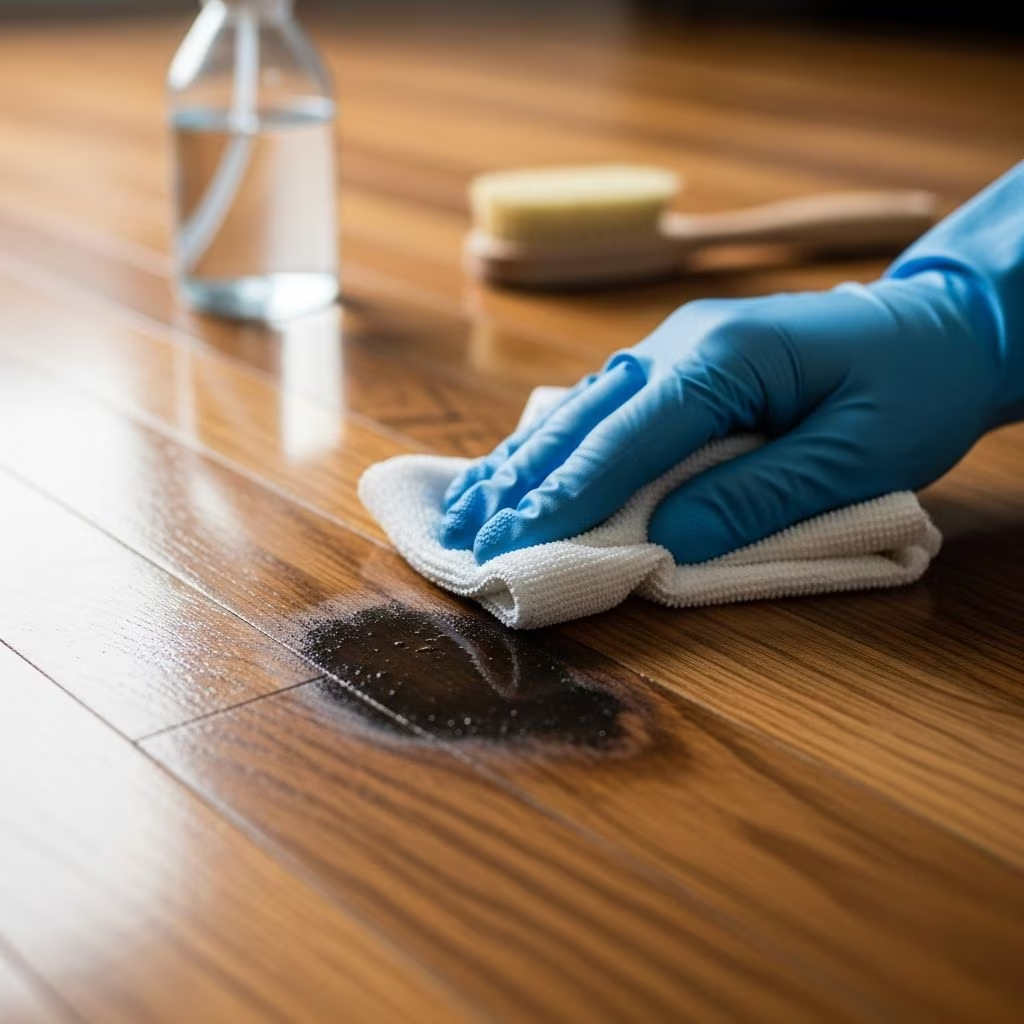
Hardwood floors add timeless elegance to any home, but pet accidents can leave behind unsightly black stains from urine that penetrate deep into the wood grain. These dark spots result from uric acid in pet urine reacting with the natural tannins in wood, creating a chemical burn that’s challenging to remove. Quick action with the right techniques can restore your floors without causing further harm.
Understanding the Nature of Black Urine Stains
Pet urine, especially from dogs, contains high levels of uric acid crystals that remain even after initial cleaning. When this acidic liquid soaks into unsealed or finished hardwood, it triggers a reaction with the wood’s tannins, producing persistent black discoloration. Unlike surface dirt, these stains embed into the wood fibers, often accompanied by lingering odors if not fully neutralized.
New stains appear as wet spots that darken rapidly, while older ones harden into visible black patches. The severity depends on the wood type—oak and red woods are particularly susceptible due to their tannin content. Addressing both the visual mark and the odor source is crucial, as incomplete removal leads to repeat issues.
Essential Tools and Supplies for Effective Cleaning
Before starting, gather pet-safe, wood-friendly materials to avoid scratches or finish damage. Key items include:
- Absorbent cloths or paper towels for blotting.
- Distilled white vinegar and warm water for natural neutralization.
- Baking soda for odor absorption.
- 3% hydrogen peroxide for bleaching action.
- Enzyme-based pet stain removers formulated for hard surfaces.
- Microfiber cloths, soft brushes, and a vacuum with brush attachment.
- Fine-grit sandpaper or steel wool as a last resort.
Always test solutions in an inconspicuous area to check for discoloration, especially on finished floors.
Step-by-Step Guide for Fresh Urine Spots
Fresh incidents offer the best chance for complete removal. Act within minutes to prevent deep penetration.
- Blot Immediately: Press thick layers of paper towels or cloths onto the puddle, standing on them briefly to absorb moisture. Replace towels until they come away dry.
- Vinegar Solution: Mix equal parts white vinegar and water in a spray bottle. Saturate the area, let sit 5-10 minutes to break down uric acid, then wipe with a clean cloth.
- Baking Soda Treatment: Sprinkle generously over the damp spot, allow to sit overnight, and vacuum thoroughly.
- Enzyme Cleaner Finish: Apply a pet-specific enzymatic product, following package instructions. These break down proteins at a molecular level, eliminating residue.
Dry completely with fans or open windows to prevent warping.
Tackling Set-In and Darkened Stains
Older black marks require stronger interventions but demand caution to preserve the floor’s integrity.
Vinegar and Baking Soda Method
For mild set-in stains, repeat the fresh stain process multiple times. The vinegar neutralizes ammonia, while baking soda deodorizes. This combo works well without harsh chemicals.
Hydrogen Peroxide Application
Use 3% hydrogen peroxide sparingly as a bleaching agent. Soak a cloth, place over the stain, cover with plastic wrap, and wait 2-3 minutes. Wipe and rinse. Repeat if needed, but avoid excess to prevent lightening surrounding wood. Ideal for lighter woods; test rigorously on dark floors.
Enzymatic Deep Clean
Enzyme cleaners excel here, digesting uric acid crystals that cause blackening. Spray liberally, cover with plastic for penetration, and let dwell as directed—often overnight. Vacuum remnants. Products like those containing Oxiclean variants are wood-safe and highly effective.
Abrasive Techniques for Stubborn Cases
When chemicals fall short, gentle abrasion may be necessary, but it’s risky for finished floors.
| Method | Best For | Pros | Cons | Follow-Up |
|---|---|---|---|---|
| Steel Wool (#0000 grade) | Surface black marks | Precise removal | May dull finish | Reseal area |
| Fine Sandpaper (220-grit) | Deep grain stains | Effective on tannin burns | Risk of unevenness | Refinish patch |
Lightly buff in the direction of the grain, then clean residue and apply baking soda for odors. Always reseal afterward to protect against future damage.
Advanced Solutions for Severe Damage
If stains persist across large areas, consider professional options:
- Wood Bleach: Oxalic acid-based bleaches even out discoloration but require expertise.
- Refinishing: Sand the entire floor and reapply finish for uniform results.
- Replacement: For extensively damaged boards, swap with matching pieces.
Consult flooring specialists to assess structural integrity, as repeated urine exposure can weaken wood.
Preventing Future Pet Urine Stains
Proactive measures save time and money:
- Train pets rigorously and supervise young or untrained animals.
- Use pee pads or designated outdoor routines.
- Apply pet-resistant sealants to high-traffic areas.
- Clean accidents immediately with enzyme sprays.
- Install washable rugs in vulnerable spots.
Regular maintenance with pH-neutral wood cleaners keeps floors resilient.
Frequently Asked Questions
Can vinegar damage hardwood finishes?
Diluted vinegar is generally safe if tested first and dried promptly. Use sparingly on waxed surfaces.
Is hydrogen peroxide safe for all wood types?
Best for light woods; darker floors may show bleaching. Limit to 3% concentration.
How do enzyme cleaners work?
They contain live enzymes that eat away at urine proteins, neutralizing stains and smells permanently.
What if the odor returns after cleaning?
Urine likely penetrated deeply—repeat enzyme treatment or use baking soda soaks.
Should I sand my entire floor for one stain?
No, spot-sand and blend with refinishing products for seamless results.
Choosing the Right Cleaning Products
Opt for products labeled for pet urine on hardwoods. Avoid ammonia-based cleaners, which mimic urine scent and attract repeats. Popular enzyme options include those from reputable pet care brands, ensuring no harsh residues.
In summary, combining blotting, natural solutions, enzymes, and cautious abrasion restores most black urine stains. Patience and proper drying are key to success.
References
- How to Get Dog Pee Out of Carpet: Smells and Stains on Fabric — American Kennel Club (AKC). 2023-05-15. https://www.akc.org/expert-advice/home-living/dog-urine-stains/
- How to Remove Wood Floor Stains — Robbins Floors. 2024-02-10. https://www.robbins.com/en-us/resources/how-to-remove-wood-floor-stains.html
- How to Get Rid of Black Urine Stains on Hardwood Floors — Zerorez. 2023-11-20. https://www.zerorez.com/blog/how-to-get-rid-of-black-urine-stains-on-hardwood-floors
- How to Remove Pet Stains — Murphy Oil Soap. 2022-08-05. https://www.murphyoilsoap.com/hardwood-flooring/how-to-remove-pet-stains
- Remove pet urine on hardwood floor — YouTube (Stacy Mizrahi). 2013-06-12. https://www.youtube.com/watch?v=c63uLU9BMoo
- Black Pet Stains on Your Hardwood Floor? Here’s What Actually Works — Really Cheap Floors. 2024-01-18. https://www.reallycheapfloors.com/blog/how-to-get-pee-stains-out-of-hardwood-floors/



