
Equine Viral Arteritis: 5 Key Signs, Diagnosis, And Prevention
Comprehensive guide to understanding, managing, and preventing Equine Viral Arteritis (EVA) in horses for breeders and owners.
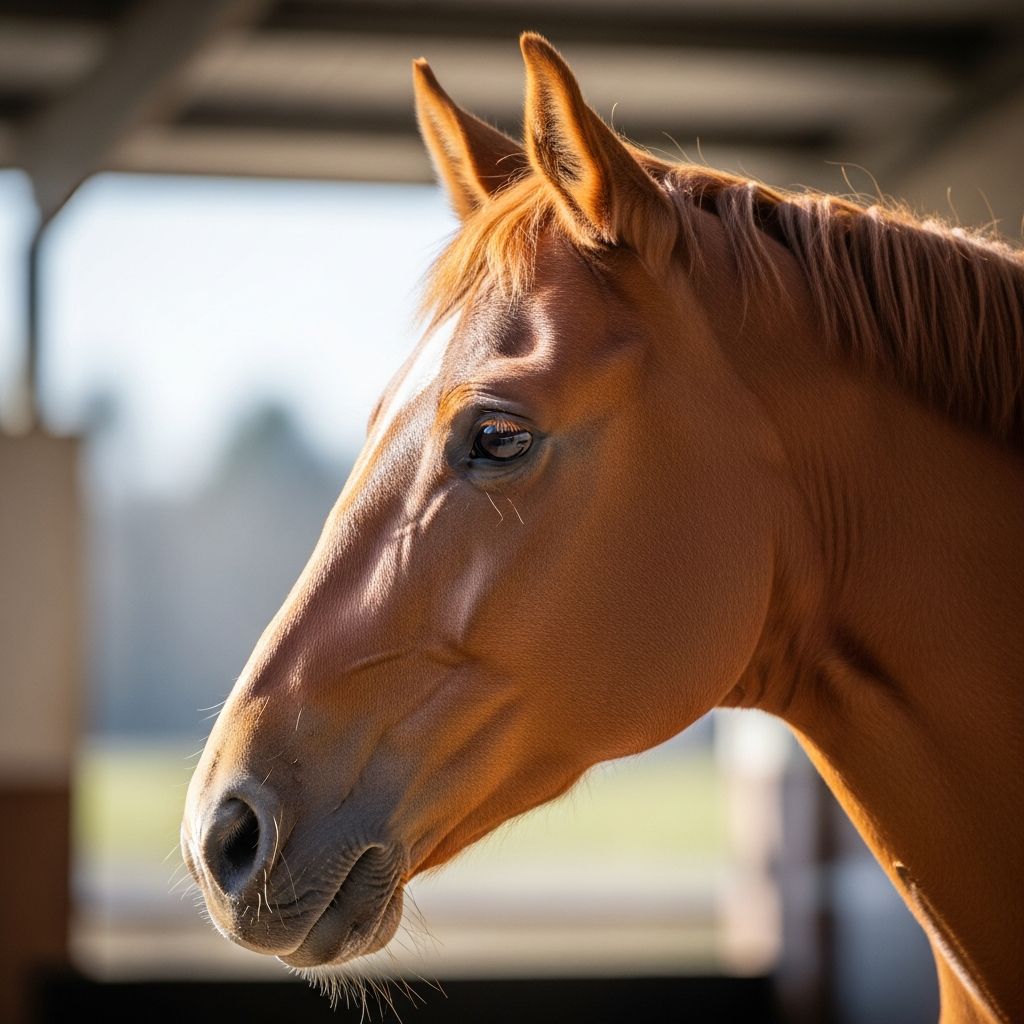
Equine Viral Arteritis (EVA) represents a significant viral infection impacting equines worldwide, primarily targeting the respiratory tract, vascular system, and reproductive organs. Caused by the equine arteritis virus (EAV), this disease poses economic challenges to horse owners through abortion risks, fertility issues in stallions, and occasional fatalities in foals. Most infections resolve without intervention, but proactive management is crucial for breeding operations.
Understanding the Equine Arteritis Virus
The equine arteritis virus belongs to the Arteriviridae family, known for its ability to persist in carriers and spread efficiently. EAV enters the body via respiratory routes or semen, leading to viremia that disseminates it to vascular endothelium and tissues like the adrenals, thyroid, liver, and testes. This localization triggers panvasculitis, characterized by endothelial damage, inflammation, and cytokine release (IL-1 beta, IL-6, IL-8, TNF-alpha), peaking around day 10 post-infection.
Key viral behaviors include a carrier state exclusively in stallions and sexually mature colts, where the virus hides in seminiferous tubules, shedding intermittently in semen for years. Mares and foals do not become long-term carriers. The virus clears from most tissues by day 28, but vascular lesions cause edema and hemorrhage during acute phases.
Transmission Pathways and Risk Factors
EVA spreads through multiple routes, making it highly contagious in group settings. Primary transmission occurs via respiratory aerosols from coughing or nasal discharge during acute infection. Direct nose-to-nose contact facilitates droplet spread.
- Breeding-related spread: Virus in semen during natural mating or artificial insemination is a major vector, especially from carrier stallions.
- Indirect fomites: Contaminated equipment, trailers, water troughs, or hands transmit the virus.
- Vertical transmission: Rare, but possible via infected mares to fetuses, leading to abortion or neonatal pneumonia.
Risk factors include dense horse populations like racetracks or shows, unvaccinated breeding stock, and use of untested semen. Strain virulence, horse age, and immunity influence disease severity; young foals face higher mortality.
Clinical Manifestations Across Age Groups
Over 70% of primary EAV infections are subclinical, with horses shedding virus asymptomatically. When signs appear (2-14 days post-exposure), they vary by individual and strain.
| Category | Common Signs | Affected Groups |
|---|---|---|
| Respiratory | Fever (up to 9 days), nasal discharge, cough, dyspnea | All ages |
| Systemic/Vascular | Depression, anorexia, limb/preputial/scrotal edema, conjunctivitis, photophobia | Adults, especially stallions |
| Reproductive | Abortion (last trimester), scrotal swelling, temporary infertility | Pregnant mares, stallions |
| Neurologic/Ocular | Stiff gait, ataxia, lacrimation, corneal edema | Occasional |
| Foal-Specific | Interstitial pneumonia, diarrhea, jaundice, death | Neonates |
In stallions, pronounced scrotal and preputial edema can impair fertility short-term. Gross lesions in fatal cases feature widespread edema, hemorrhages in subcutis, serosal surfaces, and intestines, with microscopic vasculitis showing fibrinoid necrosis and thrombosis.
Diagnostic Approaches for Accurate Confirmation
Diagnosis combines clinical suspicion, history (e.g., outbreak, breeding exposure), and lab tests. Serology detects IgM (acute) or IgG (past exposure) via SN or ELISA, but paired sera are ideal for seroconversion.
- Virus detection: RT-PCR on nasal swabs, blood, semen, urine, or tissues; virus isolation in cell culture.
- Antigen tests: Immunohistochemistry on biopsies.
- Serology screening for breeding stallions to identify carriers (SN titer 2:4 post-breeding season).
Differentiate from influenza, rhinitis, or strangles via specific EAV tests. Positive semen PCR confirms carrier status in stallions.
Supportive Management and Care Protocols
No antiviral drugs target EAV; recovery is standard in 1-2 weeks for most horses. Focus on symptomatic relief, especially for stallions to avert fertility loss.
Core supportive measures:
- Antipyretics (flunixin meglumine) for fever.
- NSAIDs for inflammation and pain.
- Diuretics (furosemide) for edema.
- Isolation, hydration, nutrition, rest; gradual breeding resumption.
For foals, oxygen therapy and antibiotics prevent secondary infections. Carrier stallions require semen testing; castration is the only cure for persistent infection.
Prevention Strategies and Vaccination Essentials
Control hinges on biosecurity and vaccination. Isolate suspects, quarantine new arrivals (3 weeks), disinfect fomites with bleach or iodophors.
Vaccination: Modified-live (North America) or inactivated (Europe) vaccines protect against disease, abortion, and carrier state. Vaccinate foals at 6-12 months, mares pre-breeding, stallions annually pre-season. Avoid vaccinating pregnant mares unless high-risk.
- Test stallions post-vaccination/breeding for carrier status.
- Comply with export/import regs (e.g., USDA seronegative requirements).
Breeding farms should use EVA-negative semen or vaccinate recipients.
Pathological Insights and Lesion Patterns
EVA’s hallmark is vasculitis in small vessels, leading to edema, petechiae, and organ dysfunction. Experimental studies with virulent strains show maximal damage by day 10, resolving thereafter unless carrier state develops.
Fatal foals exhibit pneumonia, hepatitis; adults rarely die but show lymph node hemorrhage and GI edema. Chronic effects limited to stallion shedding.
Global Impact and Economic Considerations
EVA outbreaks disrupt racing, sales, and breeding, with quarantine costs and abortion losses. Prevalence varies; carriers drive persistence. Proactive testing preserves herd health.
Frequently Asked Questions (FAQs)
Is EVA fatal to adult horses?
Rarely; mortality under 1%, mainly foals.
Can mares become carriers?
No, only stallions and mature colts.
How long does shedding last?
Acute: 1-2 weeks; carriers: lifelong without intervention.
Is vaccination safe for breeding stallions?
Yes, but test post-vaccination; prevents carrier state.
What biosecurity stops EVA spread?
Quarantine, testing, fomite control, vaccinated semen.
References
- Equine Viral Arteritis – Generalized Conditions — Merck Veterinary Manual. 2023. https://www.merckvetmanual.com/generalized-conditions/equine-viral-arteritis/equine-viral-arteritis
- Equine Viral Arteritis – Horse Owners — MSD Veterinary Manual. 2023. https://www.msdvetmanual.com/horse-owners/infectious-diseases-of-horses/equine-viral-arteritis
- Equine Viral Arteritis: Symptoms, Treatment, and Prevention — PetMD. 2023. https://www.petmd.com/horse/conditions/systemic/equine-viral-arteritis
- AAEP Infectious Disease Guidelines: Equine Viral Arteritis (EVA) — American Association of Equine Practitioners. 2023-12-01. https://aaep.org/wp-content/uploads/2024/02/EVA_DZ_Guidelines_Final_2023.pdf
- Equine Viral Arteritis — USDA APHIS. 2023. https://www.aphis.usda.gov/livestock-poultry-disease/equine/viral-arteritis
- Disease Factsheet Equine Viral Arteritis — Equine Disease Communication Center. 2023. https://www.equinediseasecc.org/handler/managedfilehandler.ashx?id=7&ext=pdf
Similar Articles








Read full bio of medha deb


