
Equine Vets Shine at Tokyo 2020 Olympics
Discover how dedicated equine veterinarians ensured horse welfare and athletic excellence at the delayed Tokyo 2020 Olympic Games.
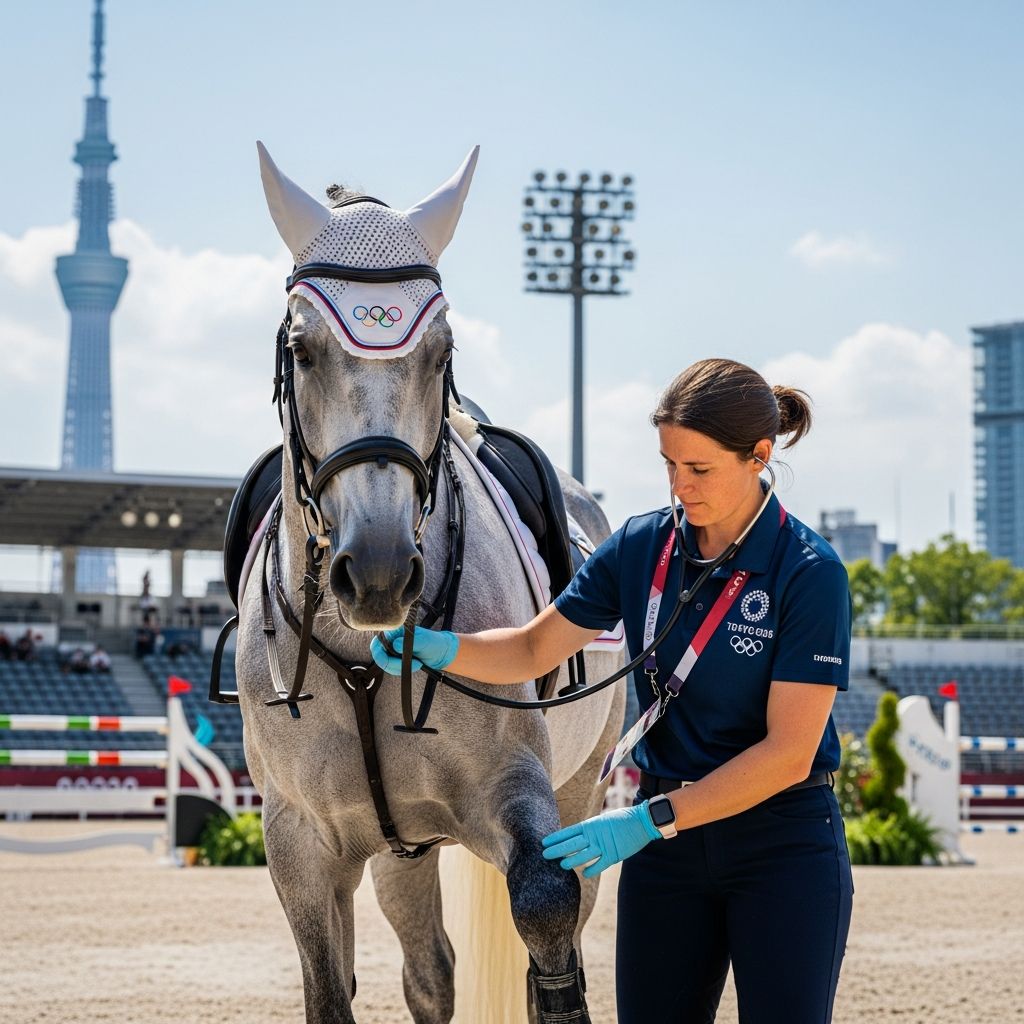
The Tokyo 2020 Olympic Games, postponed to 2021 due to the global pandemic, showcased not only exceptional athleticism but also the critical behind-the-scenes work of equine veterinarians. These professionals ensured the health and performance of horses competing in disciplines like eventing, dressage, jumping, and para-equestrian events. Their expertise turned potential crises into triumphs, highlighting the vital intersection of veterinary science and elite sports.
The High-Stakes World of Olympic Equestrian Veterinary Care
Equine veterinarians at the Olympics operate in an environment where precision, speed, and welfare standards converge. Horses are athletes pushed to their limits, requiring constant monitoring for injuries, fatigue, and stress. Vets conduct pre-competition exams, track performance data, and intervene swiftly during events. The Fédération Equestre Internationale (FEI) mandates rigorous protocols, including mandatory veterinary inspections before and after competitions to detect any signs of lameness, doping, or abuse.
In Tokyo, these vets managed over 200 horses from dozens of nations, housed in state-of-the-art stables at the Equestrian Park. Daily routines involved blood tests, ultrasound scans, and therapeutic interventions, all while adhering to strict biosecurity measures heightened by COVID-19 protocols. Australian vets, in particular, brought a legacy of excellence, continuing their tradition of supporting national teams in global competitions.
Australian Contributions: A Proud Legacy Continues
Australia’s equine veterinary team at Tokyo 2020 exemplified dedication and skill. These professionals supported riders in eventing and jumping, ensuring horses like those ridden by Australian athletes were in peak condition. Their roles extended beyond treatment to prevention, including tailored nutrition plans, physiotherapy sessions, and mental conditioning for equines under pressure.
- Team Preparation: Months before departure, vets collaborated with trainers to optimize fitness regimes, focusing on endurance and recovery.
- On-Site Support: During the Games, they provided 24/7 monitoring, ready to address issues like dehydration or muscle strains exacerbated by Japan’s humid climate.
- Welfare Advocacy: They enforced FEI rules, advocating for humane treatment and early withdrawal of any compromised horse.
This involvement built on Australia’s storied Olympic history, where vets have been instrumental in medals won and records set.
International Stars: Vets from Around the Globe
Beyond Australia, veterinarians from the United States, Mexico, and other nations played starring roles. Dr. Jorge Gomez served as the Official Veterinarian for Mexico’s Show Jumping Team, leveraging his expertise in surgery and sports medicine to keep equine athletes competition-ready. Similarly, Dr. Lisa Borzynski from Wisconsin represented the FEI veterinary team, one of 20 experts from 11 countries overseeing the entire equestrian village.
Dr. Kim Snyder, another U.S. alumna, gained experience at Tokyo that propelled her to Paris 2024 Paralympics, underscoring the global network of elite equine vets. These individuals shared responsibilities like:
- Conducting Phase 1 and Phase 2 horse inspections to clear athletes for competition.
- Managing quarantine protocols for international travel amid pandemic restrictions.
- Utilizing advanced diagnostics, such as portable X-rays and endoscopy, for real-time assessments.
Biosecurity and Pandemic Challenges in Tokyo
The COVID-19 delay amplified challenges, transforming the Olympic village into a fortress of biosecurity. Vets enforced protocols like daily health checks for horses and humans, contactless monitoring, and isolated treatment zones. Japan’s humid summer weather added risks of respiratory issues and heat stress, which vets mitigated with cooling systems, electrolyte supplementation, and shaded recovery areas.
| Challenge | Veterinary Response | Outcome |
|---|---|---|
| Heat and Humidity | Climate-controlled stables, hydration monitoring | Minimal heat-related withdrawals |
| COVID-19 Restrictions | Quarantine bubbles, PPE for all handlers | No outbreaks in equine population |
| Travel Fatigue | Pre-flight conditioning, in-transit care | High horse fitness levels upon arrival |
| Biosecurity | Foot baths, disinfection rotations | FEI compliance achieved |
These measures ensured zero major disease outbreaks, a testament to veterinary foresight.
Daily Realities: A Vet’s Olympic Routine
An average day for a Tokyo Olympic equine vet began at dawn with stable rounds, checking vital signs and grooming quality. Mornings focused on warm-ups and pre-ride exams, afternoons on competition oversight, and evenings on recovery therapies like laser treatments and massages. FEI vets like Dr. Borzynski coordinated with national teams, resolving disputes over fitness rulings impartially.
Innovation shone through: vets used wearable tech to track heart rates and biomechanics in real-time, allowing data-driven decisions. For instance, jumping vets analyzed take-off angles to predict strains, intervening before injuries occurred.
Technological Advances Elevating Horse Care
Tokyo 2020 marked a leap in equine tech integration. Vets employed:
- Telematics Devices: GPS trackers for movement analysis.
- AI Diagnostics: Software predicting injury risks from gait patterns.
- Regenerative Therapies: Stem cell injections for joint repair, as guided by experts like Dr. Liberty Getman.
These tools, combined with traditional skills, minimized downtime and maximized welfare, setting standards for future Games.
Team USA and Global Perspectives
U.S. vets brought depth, with professionals like Dr. Snyder preparing for Paralympic extensions of Olympic protocols. Mexican teams relied on Dr. Gomez’s surgical prowess for any acute needs. This international collaboration fostered knowledge exchange, from Australian biosecurity tactics to American rehabilitation methods.
Legacy and Future Impact
The Tokyo Games reinforced equine vets’ indispensable role, influencing post-Olympic standards. Lessons in pandemic management now inform global events, while vet careers are inspired by these feats. Australia’s proud performance, alongside international peers, promises continued excellence in Paris 2024 and beyond.
Frequently Asked Questions (FAQs)
What do equine vets do at the Olympics?
They perform health inspections, monitor performance, treat injuries, and ensure welfare compliance under FEI rules.
How many vets were at Tokyo 2020 equestrian events?
Approximately 20 FEI vets from 11 countries, plus national team veterinarians.
Were there unique challenges due to COVID-19?
Yes, including strict quarantines, limited personnel, and enhanced biosecurity to prevent outbreaks.
What technologies do Olympic equine vets use?
Wearables for heart rate, ultrasound, endoscopy, and AI for predictive analytics.
How do vets prepare horses for international travel?
Through fitness programs, vaccinations, and stress-reduction training months in advance.
References
- Tokyo Time – Veterinary Care for Olympic Equine Athletes — Palm Beach Equine Clinic / Dr. Jorge Gomez. 2021-07-23. https://www.jumpmediallc.com/images/newsmanager/newsfiles/2021-07-24-04-11-22-C4cp-3712-3712Tokyo%20Time%20-%20Veterinary%20Care%20for%20Olympic%20Equine%20Athletes%20by%20Palm%20Beach%20Equine%20Clinic%20-%2007.23.21.pdf
- Equine vets prepare for the Tokyo Olympics — An Eventful Life. 2021. https://www.an-eventful-life.com.au/usarow/horse-management/equine-vets-prepare-tokyo-olympics
- Galloping to glory: Alumna takes veterinary expertise to Paris — Auburn University Wire. 2025-01-21. https://wire.auburn.edu/content/ocm/2025/01/210133-kim-snyder-paralympics-equestrian-veterinarian.php
- A Guide to Olympic-Level Horse Care — Zoetis Equine / Liberty Getman, DVM, DACVS. 2024-07-18. http://www.zoetisequine.com/blog-articles/a-guide-to-olympic-level-horse-care
- An Alumna’s Journey to the Tokyo Olympics — University of Wisconsin School of Veterinary Medicine. 2021. https://www.vetmed.wisc.edu/an-alumnas-journey-to-the-tokyo-olympics/
- Tokyo Olympics Offers Rare Opportunity for Wisconsin Veterinarian — Wisconsin Veterinary Medical Association. 2021. https://wvma.org/tokyo-olympics-offers-rare-opportunity-for-wisconsin-veterinarian/
- IDCTA Presents: The 2020 Olympics: A Vet’s View with Lisa Borzynski DVM — United States Eventing. 2021. https://useventing.com/news-media/news/idcta-presents-the-2020-olympics-a-vets-view-with-lisa-borzynski-dvm
Similar Articles








Read full bio of medha deb


