
Equine Veterinary Medicine: Careers & Specializations
Explore diverse career paths in equine veterinary medicine and specialized roles.
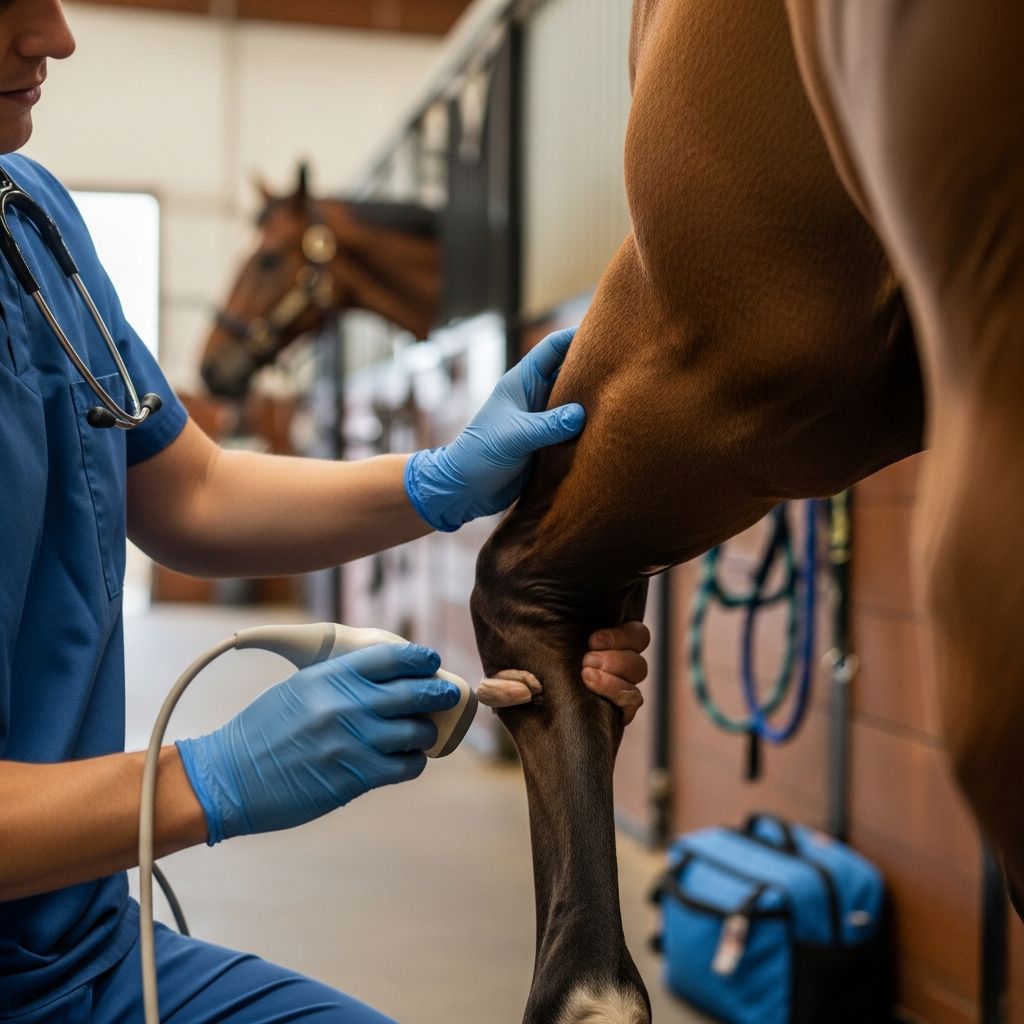
Equine veterinarians represent a specialized segment of the veterinary profession, dedicating their expertise entirely to the diagnosis, treatment, and overall wellness management of horses. These medical professionals work across multiple environments—from rural farms to urban research facilities—providing essential healthcare services that keep horses healthy, enhance athletic performance, and improve quality of life for these valuable animals.
Understanding the Equine Veterinary Profession
The field of equine veterinary medicine encompasses the comprehensive medical care of horses throughout their entire lifespan. Equine veterinarians combine clinical expertise with specialized knowledge of equine physiology, behavior, and unique health challenges that distinguish horse medicine from companion animal or large animal veterinary practice. The profession demands not only technical skill but also physical capability, as equine practitioners frequently work in demanding environments and handle powerful animals that require specialized restraint techniques.
These professionals serve diverse purposes within society. Some focus on maintaining the health of pleasure horses and recreational riding animals, while others work exclusively with high-performance athletes competing in racing, show jumping, dressage, or other equestrian disciplines. Still others contribute to conservation efforts, work in research settings, or support rescue and rehabilitation operations for horses in need.
Core Responsibilities and Daily Activities
The work performed by equine veterinarians varies considerably depending on their specialization and employment setting, yet certain fundamental responsibilities unite the profession. Understanding these duties provides insight into what the career entails on a practical level.
Diagnostic and Treatment Services
Diagnosis and therapeutic intervention form the foundation of equine veterinary practice. Equine veterinarians employ a range of diagnostic tools and methodologies to identify health conditions affecting their patients. These professionals conduct thorough physical examinations, interpret laboratory results, and utilize advanced imaging technologies to establish accurate diagnoses. Once a condition is identified, they develop and implement appropriate treatment protocols, which may involve pharmaceutical interventions, surgical procedures, or alternative therapeutic approaches.
Common procedures performed by equine practitioners include:
- Radiographic and ultrasound imaging to visualize internal structures and soft tissue abnormalities
- Endoscopic examinations for respiratory and gastrointestinal evaluation
- Joint injections and therapeutic procedures for musculoskeletal conditions
- Magnetic resonance imaging and computed tomography scans for complex diagnostic cases
- Blood draws and laboratory analysis for disease screening and health monitoring
- Lameness evaluations involving comprehensive gait analysis and diagnostic testing
Surgical Expertise
Surgical competency distinguishes many equine veterinary careers. While general practitioners perform routine surgical procedures such as castrations and laceration repairs, specialized surgeons undertake complex orthopedic interventions, colic surgeries, and other advanced procedures. The surgical component of equine medicine requires extensive training beyond basic veterinary education, often involving internships and residency programs focused specifically on equine surgical techniques.
Preventive Medicine and Health Maintenance
Preventive care represents a crucial aspect of equine veterinary practice. Equine professionals develop customized vaccination protocols, oversee deworming and parasite management programs, and provide comprehensive nutritional guidance to horse owners. These preventive measures significantly reduce the incidence of disease and maintain optimal health status in equine populations.
Reproductive Services
Equine practitioners specializing in reproduction manage breeding programs, conduct fertility evaluations, assist with artificial insemination procedures, monitor pregnant mares, and provide foaling assistance. This specialized area requires extensive knowledge of equine reproductive physiology and carries significant responsibility for the health outcomes of both mares and their offspring.
Dental Care Provision
Equine dental health receives particular emphasis in horse medicine. Practitioners perform dental examinations, conduct floating procedures (filing tooth surfaces to eliminate sharp edges), address abnormalities, and educate owners on proper dental maintenance. Well-maintained dental health directly influences a horse’s nutrition and overall wellbeing.
Emergency Response and Crisis Management
Equine emergencies demand immediate, skilled intervention. Colic (abdominal pain), severe injuries, acute infections, and other life-threatening conditions require rapid diagnosis and aggressive treatment. Many equine practitioners maintain on-call availability for emergency situations, demonstrating the commitment these professionals make to their patients’ welfare.
Specialization Pathways Within Equine Medicine
The field of equine veterinary medicine offers numerous specialization opportunities, allowing practitioners to develop expertise in specific areas of interest. These specializations require additional education beyond the Doctor of Veterinary Medicine degree.
| Specialization | Focus Area | Primary Responsibilities |
|---|---|---|
| Equine Orthopedic Surgery | Musculoskeletal disorders and lameness | Surgical repair of bone and joint injuries; management of degenerative conditions; lameness diagnosis and treatment |
| Equine Reproduction | Breeding and fertility management | Artificial insemination; pregnancy monitoring; foaling assistance; fertility evaluations |
| Equine Internal Medicine | Systemic disease management | Diagnosis and treatment of respiratory, gastrointestinal, and cardiovascular diseases |
| Equine Sports Medicine | Performance optimization and injury prevention | Athletic conditioning evaluation; injury management; rehabilitation protocols for performance horses |
| Equine Dentistry | Dental health and pathology | Routine dental maintenance; treatment of dental abnormalities; oral surgery |
| Equine Infectious Disease | Disease prevention and control | Vaccination strategy development; disease outbreak management; epidemiological investigation |
| Equine Ophthalmology | Eye health and vision disorders | Examination and treatment of ocular conditions; surgical interventions for eye diseases |
| Equine Acupuncture and Chiropractic | Alternative and complementary therapies | Acupuncture treatment; chiropractic adjustments; rehabilitation through alternative modalities |
Work Environments and Employment Settings
Equine veterinarians practice in diverse settings, each presenting unique challenges and rewards. Understanding these environments helps prospective professionals identify positions aligned with their preferences and capabilities.
Ambulatory Private Practice
Many equine veterinarians operate as ambulatory practitioners, traveling to farms, ranches, and equestrian facilities in mobile clinics equipped with diagnostic and treatment supplies. This work environment requires self-direction, strong time management, and the ability to perform complex procedures in non-ideal conditions. Ambulatory practitioners often develop long-term relationships with their clients and gain broad exposure to diverse equine health conditions.
Equine Hospital and Clinic Settings
Specialized equine hospitals and referral clinics provide advanced diagnostic capabilities, surgical facilities, and opportunities for practitioners to focus on complex cases. These settings typically employ multiple veterinarians and support staff, allowing for collaboration and specialization. Practitioners working in hospital environments often have more predictable schedules compared to ambulatory practice, though emergency coverage remains essential.
Racing and Performance Industry
Veterinarians employed in the racing and show industries work closely with trainers, owners, and competitors. Competition officials require veterinary oversight to ensure animal welfare and enforce regulatory compliance. These practitioners must understand the specific demands of athletic horses and implement strategies to optimize performance while maintaining health.
Breeding Facilities and Stud Farms
Specialized equine breeding operations employ veterinarians focused exclusively on reproductive health and management. These practitioners oversee artificial insemination programs, monitor pregnant mares, manage foaling operations, and ensure the health of young horses through their early development.
Research and Academic Institutions
Universities and research facilities employ equine veterinarians to conduct medical research, advance the body of equine medical knowledge, and educate future veterinary professionals. These positions offer intellectual challenges and opportunities to contribute to the broader field through scientific investigation and scholarly publication.
Rescue and Rehabilitation Operations
Non-profit organizations dedicated to horse rescue and rehabilitation employ veterinarians to provide medical care for injured, neglected, or abused horses. This work requires compassion, flexibility, and commitment to animal welfare. Practitioners in rescue settings often deal with complex medical and behavioral challenges while working with limited resources.
Insurance Assessment Services
Insurance companies employ veterinarians to conduct pre-purchase examinations, assess the health status and insurability of equine patients, and determine coverage eligibility for medical conditions. These roles typically involve office-based administrative work supplemented by field assessments at client locations.
Essential Skills and Professional Qualities
Success in equine veterinary medicine requires a distinctive combination of technical expertise, physical capability, and interpersonal competence. Prospective professionals should honestly assess their suitability for the profession based on these critical attributes.
Technical and Clinical Competence
Mastery of equine medical and surgical techniques forms the foundation of professional competence. Practitioners must maintain current knowledge of diagnostic methodologies, therapeutic protocols, and emerging treatment approaches. Continuing education and professional development remain essential throughout one’s career.
Physical and Mental Resilience
Equine veterinary work demands significant physical stamina. Practitioners frequently work in challenging weather conditions, perform procedures requiring physical exertion, and manage large, powerful animals capable of inflicting serious injury. Additionally, the emotional demands of end-of-life care decisions and the stress of emergency situations require psychological resilience and coping mechanisms.
Communication and Client Relations
Veterinarians serve as educators and advisors to horse owners. Clear communication about health concerns, treatment options, and preventive strategies ensures client understanding and compliance. Strong interpersonal skills build trust and facilitate productive professional relationships with diverse clientele.
Equine Handling and Behavior Expertise
Comprehensive understanding of equine behavior and effective restraint techniques are essential safety competencies. Horses respond to calm, confident handling, and practitioners must recognize behavioral cues indicating fear, pain, or aggression. Knowledge of appropriate sedation protocols ensures safe management of fractious or dangerous animals.
Educational Pathways and Career Development
Entering the equine veterinary profession requires substantial educational investment and typically several years of practical experience. Most successful practitioners gained significant horse experience before beginning veterinary school, whether through youth organizations, riding facilities, or work at rescue operations. This preliminary experience helps candidates assess their suitability for the profession and provides foundational knowledge useful in formal veterinary education.
Following veterinary school graduation, many practitioners pursue internships or residency programs to develop specialized skills and knowledge in their areas of interest. Board certification in specialty areas requires completion of rigorous examination processes and demonstrates advanced competence in specific equine medical disciplines.
Frequently Asked Questions
What distinguishes equine veterinarians from other veterinary professionals?
Equine veterinarians specialize exclusively in horse medicine, developing deep expertise in equine-specific anatomy, physiology, behavior, and disease patterns. This specialization differs from mixed-animal practitioners who treat multiple species and requires distinct knowledge and skill sets.
Is equine veterinary work suitable for individuals with limited horse experience?
While not absolutely mandatory, significant prior horse experience substantially improves success in equine veterinary practice. This background helps practitioners understand equine behavior, manage safety risks, and relate to their clients more effectively. Prospective professionals without this experience should seek opportunities to gain exposure before committing to the career path.
What are realistic earning expectations for equine veterinarians?
Earning potential varies considerably based on geographic location, specialization, employment setting, and individual business acumen. Practitioners in high-demand specializations or exclusive markets may command premium compensation, while those in rural areas or nonprofit settings may earn less despite providing equally valuable services.
How do equine veterinarians balance the emotional demands of end-of-life care?
This aspect of practice requires emotional maturity and professional boundaries. Many practitioners develop support networks with colleagues and utilize professional resources to process the difficult decisions and emotions inherent in equine medicine. Open communication with clients about quality-of-life considerations helps inform humane end-of-life decisions.
What emerging areas present opportunities for equine veterinarians?
Regenerative medicine, including stem cell therapy and platelet-rich plasma treatments, represents a growing field within equine practice. Additionally, specialized rehabilitation medicine and sports therapy continue to expand as performance horse owners increasingly recognize the value of evidence-based athletic management protocols.
The Future of Equine Veterinary Medicine
The equine veterinary profession continues to evolve as technological advances, changing client expectations, and scientific discoveries reshape practice patterns. Practitioners who maintain current knowledge, embrace evidence-based approaches, and adapt to emerging opportunities position themselves for sustained professional success and fulfillment. The enduring relationship between humans and horses ensures continued demand for skilled veterinary professionals dedicated to equine health and welfare.
References
- What does an equine veterinarian do? — CareerExplorer. 2024. https://www.careerexplorer.com/careers/equine-veterinarian/
- Equine Veterinarian — PeopleHawk. 2024. https://peoplehawk.com/career-profiles/equine-veterinarian/
- Meet an Equine Veterinarian — Vet Set Go. 2024. https://www.vetsetgo.com/i-want-to-be-a-vet/meet-an-equine-veterinarian
- What Is Equine Medicine? — Ross Vet, Ross University School of Veterinary Medicine. 2024. https://veterinary.rossu.edu/about/blog/what-is-equine-medicine
- Veterinarians : Occupational Outlook Handbook — U.S. Bureau of Labor Statistics. 2024. https://www.bls.gov/ooh/healthcare/veterinarians.htm
Similar Articles








Read full bio of medha deb


