

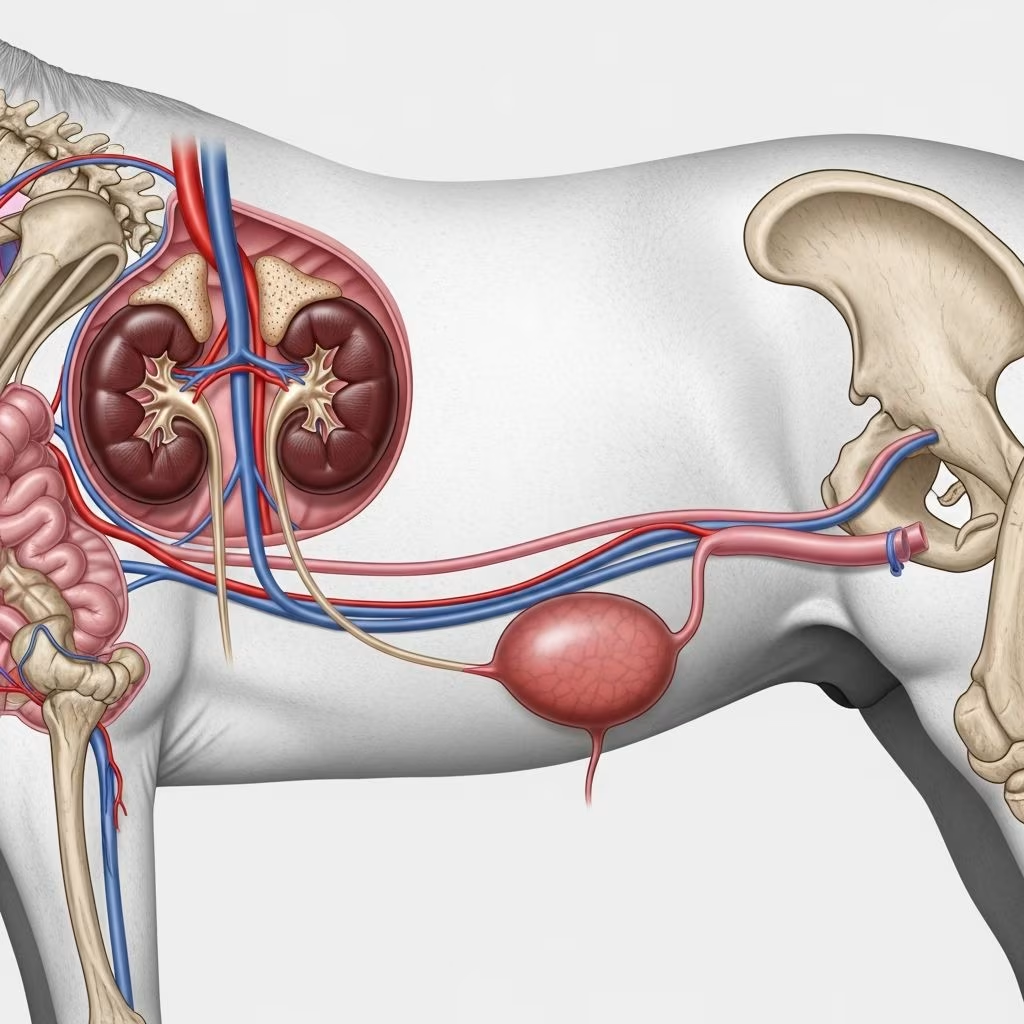
The equine urinary system represents one of the most vital physiological networks in a horse’s body, functioning continuously to maintain internal stability and eliminate metabolic byproducts. Unlike the digestive or reproductive systems that may vary in activity throughout the day, the urinary system operates non-stop, filtering blood and processing waste with remarkable efficiency. For horse owners and those involved in equine care, understanding how this system works provides valuable insight into recognizing signs of health problems and maintaining optimal wellness in these magnificent animals.
The Architecture of Equine Urinary Function
The equine urinary system comprises four primary anatomical structures that work synergistically to accomplish multiple vital functions. These components form an integrated pathway that begins with the production of urine in specialized kidney tissues and concludes with the elimination of waste from the body. Each structure contributes distinct functions while maintaining the overall purpose of homeostasis—the maintenance of stable internal conditions necessary for survival.
The system divides functionally into upper and lower urinary tracts, with the upper tract consisting of the kidneys and ureters, and the lower tract including the bladder and urethra. This anatomical division reflects both structural differences and functional specialization, with the upper tract responsible for urine production and the lower tract managing storage and elimination.
The Kidneys: Master Filtration Organs
Equine kidneys are bean-shaped organs positioned bilaterally on either side of the vertebral column, situated just below the last rib. In horses, these organs operate as biological processing plants, performing functions far more complex than simple waste removal. The kidneys continuously receive approximately 20-25% of the heart’s cardiac output, meaning they process enormous volumes of blood throughout each day.
At the microscopic level, each kidney contains approximately one million functional units called nephrons, which represent the actual filtering apparatus of the kidney. These nephrons work through a sophisticated multi-stage process that separates useful substances from waste products:
- Glomerular filtration: Blood enters the glomerulus, a specialized network of capillaries where water, small electrolytes, and metabolic wastes are forced through the filtration membrane. Beneficial large molecules such as proteins and blood cells remain in circulation
- Tubular reabsorption: The filtrate then flows through renal tubules where essential substances including glucose, amino acids, water, and important electrolytes are reclaimed and returned to the bloodstream
- Tubular secretion: Additional waste products are actively secreted into the tubular fluid, concentrating harmful substances for elimination
- Final concentration: The remaining fluid progresses through collecting ducts where further water reabsorption occurs, concentrating the final urine product
Beyond filtration, kidneys perform endocrine functions by secreting hormones that regulate blood pressure, stimulate red blood cell production, and activate vitamin D metabolism. These hormonal functions make kidney health essential for cardiovascular stability and mineral metabolism throughout the body.
Transport Structures: Ureters and Urethra
The ureters serve as muscular conduits connecting the kidneys to the bladder, measuring approximately 75-80 centimeters in length. These tubes employ peristaltic contractions—rhythmic wave-like muscular movements—to propel urine downward toward the bladder against gravity. This active transport mechanism ensures continuous urine movement regardless of body position.
The urethra functions as the final passageway for urine elimination, with significant anatomical differences between males and females. In mares, the urethra measures only 5-7 centimeters in length and functions purely for urinary elimination. In stallions, the urethra extends the full length of the penis, measuring 50-60 centimeters, and additionally serves as the conduit for semen release. This substantial difference in urethral length influences susceptibility to certain urinary tract conditions and infections.
The Bladder: Urine Storage and Control
The bladder functions as an expandable reservoir, capable of storing 8-15 liters of urine in mature horses. This hollow muscular organ possesses a specialized detrusor muscle that contracts during urination, forcing stored urine through the urethra. The bladder neck contains sphincter muscles that maintain continence by remaining contracted during storage and relaxing during micturition. Under normal circumstances, horses urinate between 7 and 10 times daily, with each void evacuating approximately 1.5-2 liters of urine.
Critical Functions Beyond Simple Waste Removal
While waste elimination receives the most attention, the urinary system manages multiple overlapping homeostatic functions that extend far beyond this basic role. Understanding these diverse functions clarifies why kidney disease can produce such widespread health consequences:
Fluid and Electrolyte Balance
The kidneys maintain precisely calibrated levels of sodium, potassium, calcium, phosphorus, and other electrolytes essential for nerve transmission, muscle contraction, and cardiac rhythm. When electrolyte concentrations deviate from optimal ranges, normal physiological functions deteriorate rapidly. The kidneys achieve this balance through selective reabsorption and excretion, adjusting their processing minute-by-minute based on the horse’s current needs and intake.
Acid-Base Regulation
The kidneys contribute substantially to maintaining blood pH within the narrow range of 7.35-7.45 necessary for enzyme function and cellular processes. They accomplish this by selectively excreting hydrogen ions and reclaiming bicarbonate, responding dynamically to metabolic changes produced by exercise, dietary factors, and disease.
Hormonal Regulation
Kidney cells produce erythropoietin, a hormone that stimulates bone marrow production of red blood cells, and renin, which participates in blood pressure regulation. The kidneys also activate vitamin D from its inactive form to its biologically active form, essential for calcium absorption and bone health.
Characteristics of Normal Equine Urine
Horse owners should familiarize themselves with the normal appearance and characteristics of equine urine to identify potential problems early. Normal equine urine displays specific properties that reflect proper kidney function and hydration status:
- Color: Yellowish to tan, occasionally amber-tinted, indicating appropriate concentration
- Clarity: Typically turbid rather than transparent due to presence of calcium carbonate crystals and mucoproteins that are normal in horses
- Volume: Approximately 2.5-7 liters daily depending on water intake and environmental conditions
- Frequency: Between 7-10 voiding episodes throughout the 24-hour period
- Odor: Characteristic but not strongly pungent
Deviations from these baseline parameters warrant veterinary investigation, as abnormal urine appearance often signals underlying urinary or systemic disease.
Congenital and Acquired Urinary Conditions
Various conditions can compromise urinary system function through structural defects, inflammatory processes, or secondary effects of systemic disease. Understanding these possibilities helps owners recognize warning signs requiring professional evaluation.
Developmental Abnormalities
Ectopic ureters represent the most commonly encountered congenital urinary abnormality in horses, occurring when one or both ureters fail to connect properly to the bladder, instead opening into the urethra, vagina, or other ectopic sites. Affected animals typically manifest continuous urine dribbling or incontinence, along with potential urine scalding of surrounding tissues. Unilateral cases may permit relatively normal urination, whereas bilateral involvement significantly impairs normal micturition.
Patent urachus results when the urachus, a fetal structure connecting the bladder to the umbilical cord, persists after birth rather than closing normally. This condition allows urine leakage through the umbilicus and occurs more frequently in immunocompromised, premature, or nutritionally compromised foals.
Uroperitoneum in foals develops when rupture or tearing of the urinary tract allows urine to accumulate within the peritoneal cavity, the abdominal space surrounding internal organs. This condition creates a surgical emergency requiring prompt intervention to prevent fatal consequences.
Age-Related Changes
Older mares experience gradual loosening of supportive tissues around the vulva and vagina, causing these structures to sink backward toward the abdomen. This anatomical change can create a condition called urovagina, where urine pools in the vaginal cavity rather than completely evacuating, predisposing to inflammation and infertility.
Factors Influencing Urinary Health
Multiple factors beyond the urinary system itself influence kidney function and urinary output. Hormonal disturbances, medications, environmental stressors, and systemic diseases can all impact this critical system:
Pituitary disorders: Equine Pituitary Pars Intermedia Dysfunction (PPID), characterized by excessive cortisol production, frequently associates with urinary problems in aging horses. Approximately 31% of PPID-affected horses exhibit polyuria (excessive urination) and polydipsia (excessive drinking). Elevated cortisol interferes with antidiuretic hormone, the primary regulator of urine production, triggering increased thirst and urination that can strain kidneys and promote electrolyte imbalances.
Medications and toxins: Certain drugs, toxins, and endogenous compounds can damage kidney tissue directly or reduce renal blood flow, compromising filtration capacity. Awareness of these nephrotoxic substances allows owners and managers to minimize exposure and monitor affected horses carefully.
Diagnostic Evaluation of Urinary Problems
When urinary dysfunction is suspected, veterinarians employ multiple diagnostic approaches to identify the underlying cause. Ultrasonography allows visualization of kidney structure and detection of abnormalities. Blood tests reveal markers of kidney dysfunction such as elevated creatinine and blood urea nitrogen, indicating inadequate waste filtration. Urinalysis provides detailed information about urine composition, revealing crystalluria, hematuria, or infection.
Recognizing Warning Signs
Horse owners should seek veterinary evaluation when observing the following indicators of potential urinary dysfunction:
- Excessive urination and drinking beyond normal levels
- Straining or difficulty during urination
- Visible blood in urine
- Abnormal urine odor
- Urine scalding of the skin, particularly in the genital region
- Incontinence or uncontrolled urine dribbling
- Unexplained colic episodes
- Loss of appetite
- Lethargy or unusual behavior
Maintaining Optimal Urinary System Health
Proactive management practices support long-term urinary system health in horses of all ages. Ensuring adequate clean water availability encourages appropriate fluid intake and maintains proper urine dilution. Maintaining good stall and pasture hygiene reduces environmental pathogenic exposure. Regular veterinary examinations allow early detection of subtle abnormalities before they progress to clinical disease. For older horses, monitoring for signs of PPID or other endocrine dysfunction enables timely intervention when hormonal changes begin affecting urinary function.
The equine urinary system represents a marvel of physiological engineering, managing multiple complex functions simultaneously while maintaining the precise internal environment necessary for health. By understanding this system’s structure and function, horse owners can better appreciate the importance of preventive care and recognize when professional veterinary assistance becomes necessary.
References
- What Your Horse’s Urine Is Telling You: Urinary Symptom Guide — Mad Barn. 2024. https://madbarn.com/equine-urinary-symptoms/
- The Urinary System of Horses — MSD Veterinary Manual. 2024. https://www.msdvetmanual.com/horse-owners/kidney-and-urinary-tract-disorders-of-horses/the-urinary-system-of-horses
- Female Urogenital – Equine — Willamette Veterinary Hospital. 2024. https://wilvet.com/interactive-animal/equine/female-urogenital/
- Evaluation of Urinary System — Mid-Atlantic Equine Medical Center. 2024. https://www.midatlanticequine.com/evaluation-of-urinary-system.html
- Essentials of equine renal and urinary tract physiology — PubMed/National Center for Biotechnology Information. 2007. https://pubmed.ncbi.nlm.nih.gov/18061849/



