

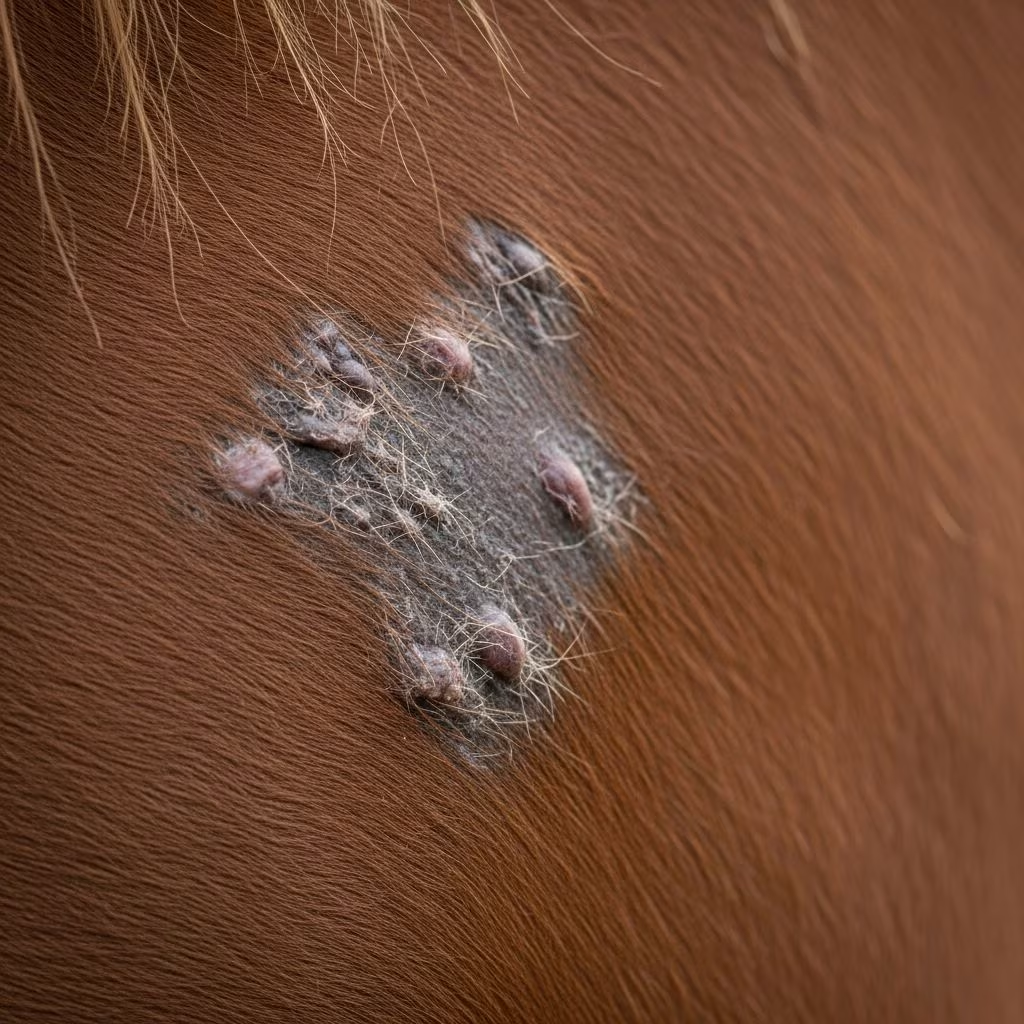
Horses frequently encounter skin problems that range from mild irritations to severe inflammatory conditions. These issues, collectively known as dermatitis and related dermatologic disorders, can significantly impact a horse’s comfort and performance. Owners must promptly identify signs and implement targeted care to prevent complications like secondary infections.
Understanding the Scope of Skin Disorders in Horses
Skin conditions in equines manifest through various symptoms including persistent itching, redness, scaling, crusting, and hair loss. These problems often stem from environmental factors, allergies, infections, or parasites. Early intervention is crucial as untreated cases can lead to thickened skin, open sores, and behavioral changes due to discomfort.
Common triggers include insect bites, moisture exposure, and hypersensitivity reactions. Breeds with heavy feathering, such as drafts, are particularly susceptible to moisture-trapped areas fostering bacterial growth. Vigilant monitoring during seasonal changes, especially wet springs or insect-heavy summers, helps mitigate risks.
Primary Types of Dermatitis Affecting Horses
Dermatitis in horses is categorized by its underlying cause, each presenting unique challenges.
- Allergic Dermatitis: Triggered by hypersensitivity to insect saliva, pollen, or molds. Culicoides midges cause ‘sweet itch,’ leading to intense pruritus along the back and tail base.
- Atopic Dermatitis: Genetic predisposition to environmental allergens like dust mites or grasses, resulting in year-round or seasonal flare-ups with hives or lesions.
- Contact Dermatitis: Irritation from chemicals, plants, or bedding materials, often seen as localized redness.
- Pastern Dermatitis: Known as scratches or mud fever, this affects lower legs due to prolonged wetness, bacteria, or mites.
- Photodermatitis: Sunlight sensitivity linked to liver issues or toxic plants, causing burns on unpigmented skin.
- Infectious Dermatitis: Bacterial (e.g., Staphylococcus) or fungal invasions, leading to pustules and crusts.
Symptoms to Watch For in Equine Skin Health
Recognizing early indicators allows for swift action. Key symptoms include:
- Intense rubbing against objects, causing mane or tail damage.
- Red, inflamed, or swollen patches.
- Bumps, blisters, or oozing sores.
- Dry, flaky, or crusty skin texture.
- Patchy alopecia or matted hair.
- Behavioral signs like restlessness or aggression when touched.
Symptoms vary by type; for instance, allergic cases show seasonal patterns, while bacterial ones produce foul-smelling discharge. Regular grooming reveals these changes before they worsen.
Diagnostic Approaches for Accurate Identification
Veterinarians employ several methods to pinpoint causes:
| Method | Purpose | Benefits |
|---|---|---|
| Skin Scrapings | Detect mites or fungi | Direct visualization of parasites |
| Cytology/Swabs | Identify bacteria | Guides antibiotic choice |
| Biopsy | Examine tissue | Confirms chronic conditions |
| Allergy Testing | Intradermal or blood serum | Pinpoints allergens for immunotherapy |
| Exclusion Trials | Diet or environment changes | Rules out food sensitivities |
History-taking about onset, location, and seasons aids diagnosis. Photosensitivity is confirmed via bloodwork for liver enzymes.
Treatment Strategies for Effective Relief
Treatment targets the root cause while alleviating symptoms.
Topical Therapies
Medicated shampoos with chlorhexidine or miconazole cleanse and fight microbes. Corticosteroid creams reduce inflammation; apply after 10-15 minute shampoo contact time. For pastern issues, dry legs thoroughly post-washing.
Systemic Medications
Oral or injectable steroids control severe itching. Antibiotics treat bacterial overgrowth. Antihistamines offer mild relief in allergies.
Advanced Options
Immunotherapy (allergy shots) desensitizes over months. Omega-3 supplements support skin barrier. Laser therapy promotes healing in chronic cases.
Prevention Tactics for Proactive Horse Owners
Preventive measures minimize outbreaks:
- Clip feathered legs to reduce moisture retention.
- Install fly screens and use repellents at dawn/dusk.
- Provide dust-free bedding and regular stable cleaning.
- Rotate pastures to avoid toxic plants.
- Apply UV-protective rugs for light-skinned horses.
- Maintain balanced nutrition with skin-supporting nutrients like zinc and fatty acids.
Weekly baths during high-risk seasons keep skin clean. Monitor for early rubbing and isolate affected horses to curb spread.
Long-Term Management of Chronic Conditions
Recurrent dermatitis requires ongoing plans. Track flare-up patterns in a journal. Adjust management seasonally; for sweet itch, nightly fly sheets are essential. Veterinary follow-ups ensure treatments evolve with the horse’s response. Some horses thrive on hypoallergenic feeds or environmental hypo-sensitization.
When to Seek Professional Veterinary Help
Consult a vet if symptoms persist beyond 48 hours, spread rapidly, or include fever/lethargy. Self-treatment risks masking issues or causing resistance. Equine dermatologists offer specialized testing for stubborn cases.
Frequently Asked Questions (FAQs)
What is the most common cause of itching in horses?
Insect hypersensitivity, particularly to Culicoides, tops the list, manifesting as sweet itch.
Can diet influence skin problems?
Yes, deficiencies in omega-3s or excesses of sugars can exacerbate allergies; balanced forage is key.
How long do treatments take to work?
Topicals show relief in days; immunotherapy may take months for full effect.
Is pastern dermatitis contagious?
No, but shared environments spread bacteria; clean tack thoroughly.
Are there breed predispositions?
Drafts face higher pastern risks due to feathering; some lines have atopic tendencies.
Holistic Support for Equine Skin Resilience
Beyond meds, herbal rinses like aloe or essential oils (diluted) soothe mildly. Stress reduction via routine exercise bolsters immunity. Collaborate with farriers for hoof-skin connections in pastern cases. Informed owners foster healthier herds through diligence.
References
- Horse Dermatitis: Symptoms, Treatment, and More — Vetericyn. 2023. https://vetericyn.com/blogs/vetericyn/horse-dermatitis-symptoms-treatment
- Navigating Dermatitis in Horses: Causes, Symptoms, and Treatment — Foxden Equine. 2024. https://www.foxdenequine.com/blogs/equine-nutrition/navigating-dermatitis-in-horses-causes-symptoms-and-treatment
- Skin Allergies in Horses: Common Types, Diagnosis & Treatment — Mad Barn. 2024. https://madbarn.com/skin-allergies-in-horses/
- Pastern Dermatitis: Causes, Signs and Treatment — AQHA. 2023. https://www.aqha.com/-/pastern-dermatitis
- Atopic Dermatitis in Horses — The Horse. 2022. https://thehorse.com/112585/atopic-dermatitis-in-horses/



