

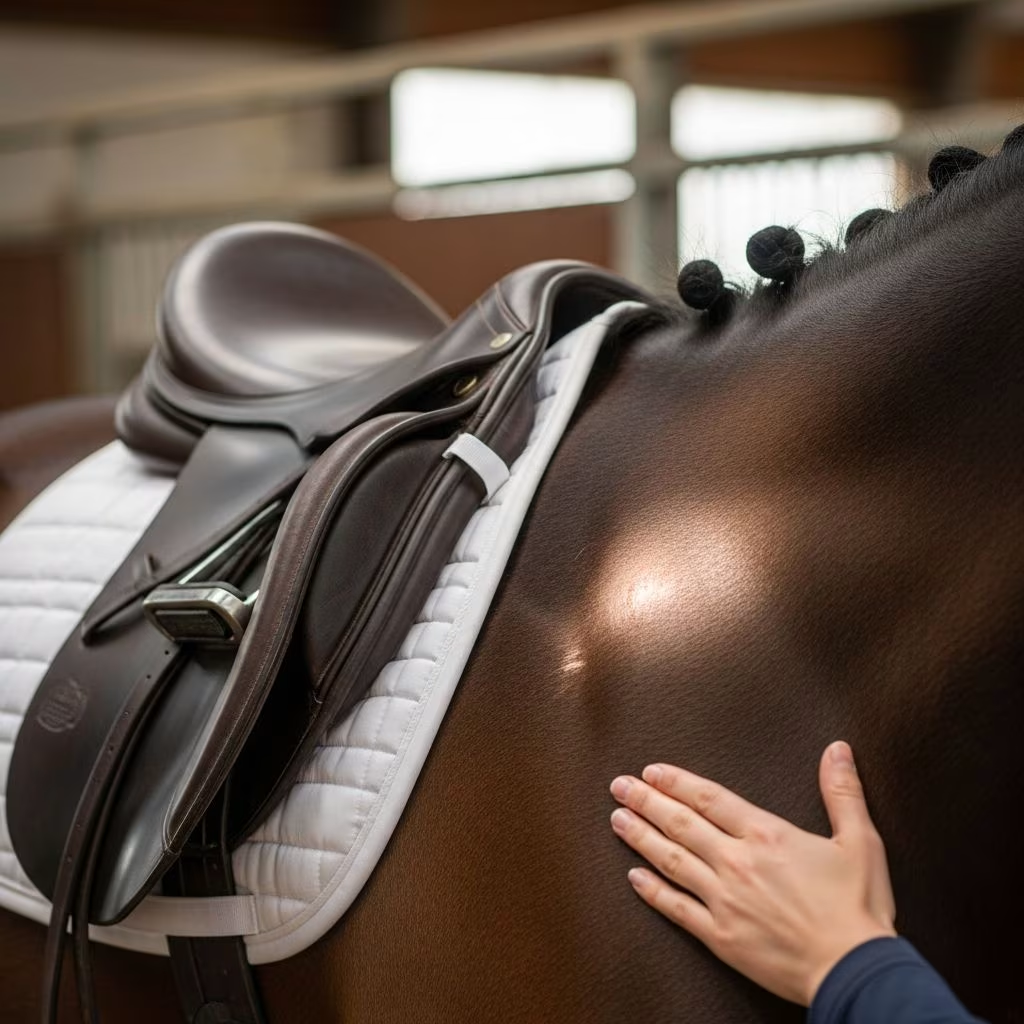
Saddle sores represent a significant concern for horse owners and handlers, affecting both the animal’s physical comfort and overall performance. These skin conditions develop as a result of prolonged friction and pressure from improperly fitted or maintained equipment, particularly saddles and harnesses. The development of saddle sores can range from minor superficial irritation to severe tissue damage that may result in permanent scarring or loss of sensation. Understanding the mechanisms behind saddle sore formation, recognizing the clinical signs, and implementing effective treatment and prevention strategies is essential for anyone responsible for horse care.
The Root Causes of Equine Saddle Sore Development
Saddle sores in horses emerge from a combination of mechanical and environmental factors that compromise the integrity of the skin and underlying tissues. The primary mechanism involves repetitive friction between the horse’s body and the saddle or harness, which gradually breaks down the protective barrier of the epidermis. This process is exacerbated when equipment fails to distribute pressure evenly across the contact surface, creating concentrated stress points that accelerate tissue damage.
The fundamental causes include:
- Equipment that does not conform properly to the horse’s body contours
- Worn or deteriorated saddle padding that has lost its shock-absorbing properties
- Accumulated dirt, sweat, and debris within the equipment that increases friction
- Prolonged periods of wearing saddles or harnesses without adequate rest intervals
- Unbalanced loads that shift during movement, creating abnormal pressure distribution
- Moisture accumulation from perspiration that softens the skin and reduces its resistance to friction
The shoulder region of horses used in harness work and the area beneath the saddle on riding horses are the most vulnerable locations for sore development. This susceptibility relates to the concentration of pressure in these anatomical zones during normal equipment use.
Clinical Manifestations and Progression of Saddle Sores
The presentation of saddle sores varies considerably depending on the severity and duration of the causative friction, as well as whether secondary bacterial infection has occurred. Early recognition of clinical signs allows for intervention before more serious tissue damage develops.
Early Stage Indicators
In the initial phases of saddle sore development, affected areas exhibit visible inflammation characterized by redness and edema (swelling). The skin may display raised bumps or small fluid-filled blisters, indicating the breakdown of dermal structures. Hair loss in the affected region occurs as the follicles become damaged and the hair shafts dislodge from the follicular root. The area typically feels warm to the touch and is sensitive to pressure or contact.
Inflammatory and Infectious Progression
As saddle sores develop beyond the initial stages, inflammation deepens and may involve the hair follicles themselves. Folliculitis develops when follicles become occluded and fill with purulent material (pus), creating small pustules on the skin surface. The inflammatory response causes the affected area to become increasingly swollen, warm, and painful. The dried pus forms crusts over the affected region, and the horse may show behavioral signs of discomfort such as sensitivity when the saddle area is touched or during grooming.
Advanced Sore Development
When saddle sores progress without treatment or removal of the causative equipment, they evolve into more serious conditions referred to as galls. These represent deeper tissue involvement where the damage extends beneath the epidermis into the dermis and subcutaneous tissues. Advanced galls may develop into localized abscesses—collections of purulent material surrounded by inflamed tissue. In severe cases, the prolonged friction and pressure cause necrosis (death) of the affected tissue, resulting in extensive tissue loss.
Complications from untreated saddle sores include:
- Development of deep tissue abscesses that may require surgical drainage
- Permanent scarring and fibrosis of affected tissues
- Loss of sensation in the damaged area due to nerve damage
- Chronic inflammation that impairs the horse’s ability to be ridden or worked
- Secondary skin infections that increase pain and healing time
Treatment Approaches for Established Saddle Sores
Effective management of saddle sores requires a multifaceted approach that addresses both the immediate condition and the underlying cause. The most critical component of treatment involves identifying and eliminating the offending equipment or correcting its fit.
Equipment Evaluation and Modification
Before implementing any topical treatments, the saddle or harness responsible for the sore must be thoroughly evaluated. The equipment should be assessed for proper fit, with particular attention to pressure distribution across the contact surface. If the saddle is the culprit, it may require professional adjustment, padding modifications, or complete replacement with properly fitted equipment. Harnesses should be inspected for wear, checked against the horse’s current body dimensions, and adjusted for appropriate tension. During the treatment period, the horse must have complete rest from work using the problematic equipment.
Wound Management and Healing
Once the causative equipment has been addressed, the wound itself requires appropriate care. For superficial sores affecting only the skin, treatment follows standard wound management principles. In the acute inflammatory stage, veterinarians often recommend astringent packs applied to the area to reduce inflammation and control drainage. These treatments help dry the wound and promote the body’s natural healing response.
Chronic sores and those with signs of superficial infection benefit from warm applications that increase local blood circulation and support healing. Warm compresses applied for 15-20 minutes several times daily can effectively promote tissue repair and reduce inflammation.
Antimicrobial and Pharmaceutical Interventions
When bacterial infection is present or suspected, appropriate antibiotics should be prescribed by a veterinarian. These may be administered topically to affected areas or, in cases of deeper infection or systemic involvement, given systemically through injection or oral administration. Hematomas—pockets of blood that accumulate under damaged tissue—should be evaluated and drained by a veterinarian to prevent complications.
Dead or necrotic tissue must be removed to prevent ongoing inflammation and infection. This surgical debridement removes only the damaged tissue while preserving viable tissue, promoting cleaner healing and reducing the risk of complications. The procedure is typically performed under sedation or anesthesia to ensure the horse’s comfort and the veterinarian’s ability to work carefully.
Prevention Strategies for Saddle Sore Avoidance
Preventing saddle sores is substantially more effective and less costly than treating established cases. A comprehensive prevention program addresses equipment, husbandry, and monitoring practices.
Equipment Management and Maintenance
Saddles and harnesses must fit properly to the individual horse, as each animal has unique conformation. Before purchasing new equipment, have a qualified saddle fitter evaluate your horse’s back shape and work with the fitter to select equipment that distributes pressure evenly. Regularly inspect all equipment for signs of wear, damage, or deterioration. Replace worn padding promptly, as degraded padding loses its ability to cushion and distribute pressure effectively.
Cleanliness of equipment directly impacts saddle sore prevention. After each use, clean the underside of the saddle and all areas that contact the horse’s skin to remove accumulated sweat, dirt, and debris. This reduces the friction that develops during use and prevents the accumulation of irritants against the skin. Store equipment in a clean, dry environment to prevent mildew growth and material deterioration.
Gradual Work Introduction and Rest Periods
When a horse is new to saddle work or returns after a period of rest, introduce work gradually to allow skin and tissues to adapt to the pressure and friction. Extended work sessions without adequate recovery time increase saddle sore risk. After long rides, avoid leaving the saddle in place longer than necessary; gradually loosen the girth to allow normal blood circulation to return to the affected areas. This simple practice can significantly reduce the incidence of sores on the horse’s back.
Regular Monitoring and Early Intervention
Develop a routine habit of visually inspecting and palpating (feeling) the areas that contact saddles and harnesses. Look for early signs of irritation such as redness, swelling, or hair loss. Early detection of problems allows for immediate intervention before serious sores develop. If minor irritation is noticed, rest the horse from work using that equipment and apply appropriate topical treatments.
Frequently Asked Questions About Equine Saddle Sores
How long does it take for a saddle sore to heal in horses?
Healing time varies significantly based on the severity of the sore and the effectiveness of treatment. Superficial sores affecting only the skin may heal within several weeks with appropriate care and rest. More severe sores involving deeper tissues may require several weeks to months for complete healing. During the entire healing period, the horse should not be worked with saddles or harnesses that contact the affected area.
Can a horse be ridden while recovering from a saddle sore?
Riding should be restricted or completely ceased during the acute healing phase. Light exercise such as hand-walking may be permissible once acute inflammation subsides, but this should only proceed with veterinary clearance. Resuming saddle work before the sore is completely healed risks reopening the wound and extending recovery time.
What topical products are recommended for saddle sore treatment?
Veterinarians typically recommend non-irritating ointments or those with antimicrobial properties. Zinc-based ointments and lanolin-containing products can provide both lubrication and protective barriers. However, specific product recommendations should come from your veterinarian, who can assess the individual sore’s characteristics and recommend the most appropriate treatment.
When should a veterinarian be consulted for saddle sores?
Veterinary consultation is warranted when saddle sores show signs of deep infection, when abscesses develop, when tissue death (necrosis) occurs, or when sores fail to improve with appropriate home care and rest. Additionally, horses with chronic or recurring saddle sores benefit from professional evaluation to identify underlying equipment or conformational issues.
Conclusion: Protecting Your Horse’s Skin Health
Saddle sores in horses are largely preventable through diligent equipment management, proper fitting, regular inspection, and appropriate work practices. When sores do develop, prompt recognition and treatment, combined with elimination of the causative factors, result in more favorable outcomes. The relationship between horse and rider or handler depends on the animal’s physical comfort and wellbeing; preventing saddle sores maintains this partnership while ensuring the horse’s long-term health and usability.
References
- Saddle Sores (Collar Galls) in Horses — Merck Veterinary Manual. Merck Sharp & Dohme Corp. https://www.merckvetmanual.com/horse-owners/skin-disorders-of-horses/saddle-sores-collar-galls-in-horses
- How to Prevent and Treat Saddle Sores on Your Horse’s Back — Southwestern Equine. https://southwesternequine.com/blogs/educational/how-to-treat-and-prevent-saddle-sores-on-your-horses-back
- Saddle Sores in Horses: A Rider’s Guide to Prevention and Healing — Vetericyn. https://vetericyn.com/blogs/vetericyn/saddle-sores-horses
- Saddle Sore — Wikipedia. https://en.wikipedia.org/wiki/Saddle_sore



