
Understanding Equine Pregnancy Loss: Causes and Management
Comprehensive guide to identifying, preventing, and managing abortion in mares
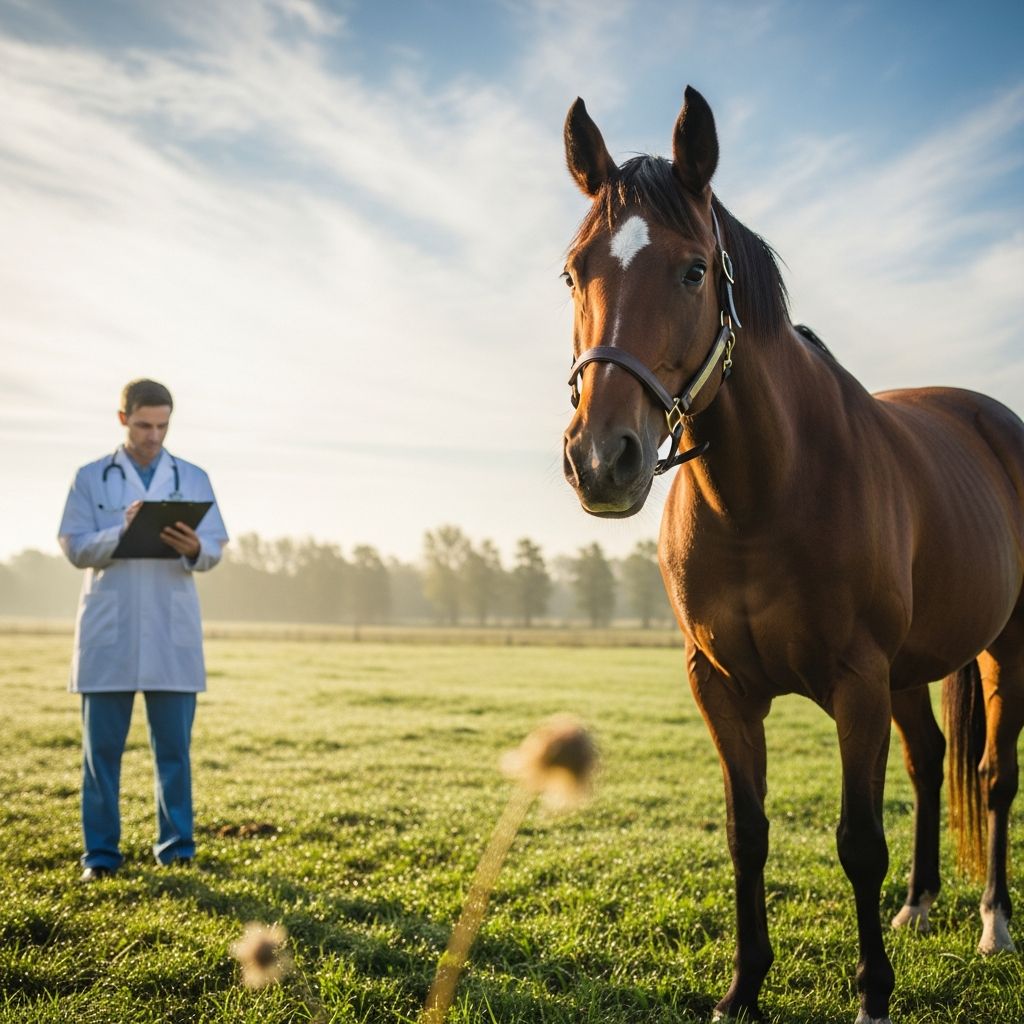
Pregnancy loss in mares represents a significant concern for breeders and horse owners, affecting reproductive success and financial investments in breeding programs. When a mare loses a fetus during gestation, the event is classified as abortion, which encompasses pregnancy termination at any stage before viability. Understanding the multifactorial nature of this condition, recognizing early warning signs, and implementing appropriate management strategies are essential for optimizing reproductive outcomes in equine operations.
The Scope of Equine Pregnancy Loss
Pregnancy loss in horses occurs through various mechanisms and can result from infectious pathogens, environmental factors, nutritional deficiencies, placental abnormalities, and genetic or developmental problems. The timing of pregnancy loss varies considerably depending on the underlying cause, with some losses occurring early in gestation while others develop near term. Early identification of at-risk mares through vigilant monitoring and implementation of preventive protocols can substantially improve pregnancy retention rates and foal survival.
The financial and emotional impact of pregnancy loss extends beyond the immediate loss of the foal, as affected mares may experience complications requiring intensive veterinary intervention. Understanding the etiology of each loss helps owners make informed decisions about future breeding, vaccination protocols, and management modifications.
Infectious Agents and Placental Inflammation
Bacterial Placentitis and Ascending Infections
Bacterial infections of the placenta represent one of the most common infectious causes of equine abortion. These infections typically originate in the lower reproductive tract and ascend through the cervix to establish infection in the placental tissues. Common bacterial pathogens include streptococcal species and E. coli, which trigger inflammatory responses that compromise placental function.
Ascending placentitis develops progressively, with early signs including increased thickness of the placental membranes, particularly at the cervical attachment region. Mares with this condition may present with mucopurulent vaginal discharge and premature mammary gland development, sometimes referred to as “bagging up.” The inflammatory process causes placental separation from the uterine wall, reducing nutrient and oxygen transfer to the developing fetus. If untreated, this progressive separation leads to fetal death and subsequent abortion. In some cases, chronic infection results in intrauterine growth retardation, producing undersized foals with compromised viability even if delivery occurs at term.
Diagnostic confirmation involves identifying characteristic placental changes including thickening, discoloration, and necrotic material on the chorionic surface. Treatment requires aggressive antimicrobial therapy selected based on culture and sensitivity results, combined with non-steroidal anti-inflammatory medications to reduce inflammatory mediators and improve uteroplacental blood flow.
Leptospiral Infections
Leptospiral abortion typically occurs during the middle to late gestational period, particularly between six and nine months of pregnancy. The placenta becomes markedly thickened, heavy, and edematous with hemorrhagic discoloration. A characteristic brown, mucoid material often covers the chorionic surface, distinguishing this condition from other bacterial infections. Affected fetuses may exhibit icterus (yellowing of tissues) and liver enlargement. Histological examination reveals varying degrees of kidney and liver inflammation in fetal tissues.
Neorickettsia and Potomac Horse Fever
Neorickettsia risticii infection causes Potomac horse fever, an illness characterized by gastrointestinal and systemic signs that may be followed by abortion during mid-to-late gestation. The organism triggers placental inflammation and frequently results in placental retention following abortion. Identification of fetal colitis on histopathologic examination provides presumptive diagnostic confirmation. A vaccine exists for this condition, although its efficacy in preventing abortion-related losses requires further documentation.
Viral Causes of Equine Abortion
Equine Herpesvirus-1: The Primary Viral Pathogen
Equine herpesvirus 1 (EHV-1) represents the most significant viral cause of abortion in horses, though EHV-4 has also been documented in some cases. The virus transmits between horses through direct contact with nasal secretions, reproductive tract discharge, placental tissues, and aborted fetuses. Short-distance airborne transmission is also possible, facilitating rapid spread through populations of pregnant mares.
Most EHV-1 abortions occur between 40 and 80 days of gestation, though losses can extend to 140 days. Notably, many affected mares remain clinically normal, with abortion occurring as the first apparent sign of infection. Late-term losses from EHV-1 typically develop near term or at ten months of gestation without preceding signs of imminent parturition.
Foals born alive to EHV-1-infected dams frequently succumb within hours to days of birth, displaying respiratory distress, icterus, fever, and lethargy. Virus neutralization tests, indirect immunofluorescence, polymerase chain reaction (PCR), and viral isolation confirm EHV-1 infection. While no specific antiviral treatment exists for naturally infected mares or neonatal foals, prevention through comprehensive vaccination protocols remains the most effective management strategy.
Equine Viral Arteritis
Equine viral arteritis (EVA) can precipitate abortion within 6 to 29 days following clinical disease manifestation. This virus causes direct impairment of placental function and severe fetal infection, resulting in abortion rates approaching 60 percent in naive populations. While arteritis may develop in fetal cardiac muscle or placental tissues, many affected fetuses show minimal inflammatory lesions. Stallions can become persistently infected with EVA and serve as sources of venereal transmission through natural breeding or insemination with shipped cooled or frozen semen, or through aerosol spread.
Environmental and Nutritional Factors
Toxins and Forage-Related Causes
Consumption of forage contaminated with endophytic fungi presents a significant environmental risk to pregnant mares. Specifically, the fungus Epichloë coenophiala (formerly classified as Neotyphodium coenophialum) causes profound reproductive effects including prolonged gestation, failure of lactation, tissue swelling, and premature placental separation. Abortion may occur during the final two months of pregnancy as a consequence of severe edema and placental detachment. The placenta becomes thickened, edematous, and fails to rupture normally at the cervical attachment region.
A particularly dangerous complication occurs when the chorioallantois (outer fetal membrane) precedes the foal through the birth canal rather than remaining attached to the uterus—a condition known as “red bag.” This situation results in fetal anoxia and death. Contaminated sources include pasture, hay, and bedding materials. Elimination of exposure to infected forage is essential for prevention.
Placental and Anatomical Abnormalities
Umbilical Cord Complications
Torsion of the umbilical cord causes abortion through mechanical compromise of fetal blood supply. Diagnosis requires identification of localized swelling or hemorrhage associated with the twisted cord, as some degree of torsion occurs in normal deliveries as well. The distinction between pathological torsion and normal birth-related changes depends on the presence and severity of vascular damage.
Mare Reproductive Losses Syndrome
Mare reproductive losses syndrome (MRLS) represents a distinctive condition characterized by amnionitis and funisitis (inflammation of the amniotic sac and umbilical cord tissues), typically affecting only the amniotic portion of the umbilical cord. The placenta and cord become markedly thickened, edematous, and discolored light brown to yellow. Neutrophilic inflammation (white blood cell infiltration) of umbilical cord and placental tissues is characteristic, with neutrophilic funisitis being a diagnostic hallmark. This syndrome most commonly occurs at 40 to 80 days of gestation, though losses can extend to 140 days.
Clinical Recognition of Impending Abortion
Early Warning Signs
Recognition of early indicators of pregnancy compromise allows for potential intervention before abortion occurs. The most obvious sign of completed abortion is discovery of fetal and placental tissues in the mare’s environment, including pasture, stall, or stable areas.
Early clinical manifestations include:
- Vaginal discharge: Changes in vaginal discharge represent among the earliest detectable signs of pregnancy problems. Bloody, cloudy, or excessively thick discharge warrants immediate veterinary evaluation.
- Premature mammary development: Early bagging up or udder development with milk production indicates placental dysfunction or impending pregnancy loss.
- Behavioral changes: Affected mares may display agitation, restlessness, and signs of abdominal discomfort, including frequent lying down and getting up.
- Abdominal pain: Colic signs such as excessive rolling and pawing at the ground accompany some cases of pregnancy loss.
- Vulvar discharge: Purulent or mucopurulent discharge from the vulva indicates reproductive tract infection requiring prompt treatment.
Many cases of viral abortion, however, occur without preceding clinical signs, making regular ultrasonic monitoring essential for early detection in high-risk mares.
Diagnostic Approach and Investigation
When abortion occurs, thorough investigation helps identify the underlying cause and inform management decisions for future pregnancies. Complete evaluation includes:
- Visual inspection of fetal and placental tissues for abnormalities, discoloration, or inflammatory changes
- Microbiological culture and sensitivity testing of fetal fluids and placental tissue
- Histopathological examination to identify inflammatory patterns, infectious organisms, or developmental abnormalities
- Serological testing for viral pathogens including herpesvirus and arteritis virus
- PCR testing for identification of specific infectious agents
- Toxicological screening when environmental contamination is suspected
Despite comprehensive investigation, definitive diagnosis remains elusive in many cases, complicating efforts to prevent recurrence.
Management and Treatment Strategies
Post-Abortion Care
Following abortion, immediate treatment is not always necessary for the mare itself, though evaluation for complications is essential. However, mares with confirmed or suspected placentitis require targeted intervention. Treatment protocols typically include:
- Antimicrobial therapy: Antibiotics selected based on culture results combat bacterial infection and prevent systemic complications.
- Anti-inflammatory medications: Non-steroidal anti-inflammatory drugs, particularly flunixin meglumine, suppress placental and systemic inflammation while improving uteroplacental blood flow.
- Uterine lavage: Mechanical flushing of the uterus may accompany antibiotic therapy in selected cases to clear infectious material.
- Uterotonics and tocolytics: Medications including altrenogest (progesterone) suppress inappropriate uterine contractions, though efficacy remains unproven in clinical settings.
- Ancillary agents: Pentoxifylline decreases inflammatory mediators and enhances uterine blood flow, while clenbuterol suppresses uterine motility through sympathomimetic mechanisms.
Management of Complications
Retained placental membranes represent a significant post-abortion complication requiring intensive management. Prolonged retention triggers systemic inflammation and can precipitate laminitis, a serious hoof disease. Early removal of retained membranes and aggressive treatment of secondary inflammation are essential for preventing life-threatening complications.
Prevention Through Vaccination and Biosecurity
Prevention strategies focus on vaccination against specific pathogens and implementation of rigorous biosecurity measures. Vaccination protocols against equine herpesvirus significantly reduce the incidence of abortion-related losses. Strict isolation of newly introduced horses, separation of pregnant mares from animals with respiratory disease, and careful management of breeding and fetal tissue handling limit transmission of infectious agents.
Frequently Asked Questions
What is the most common cause of abortion in horses?
Bacterial placentitis, particularly infections involving streptococcal species and E. coli, ranks among the most frequently identified causes. Viral infections, especially equine herpesvirus 1, also account for substantial losses in many breeding populations.
Can early-detected abortion be prevented?
In some cases, particularly those with early detection of placentitis, aggressive treatment with antibiotics and anti-inflammatory medications may allow continuation of pregnancy. However, outcomes vary considerably, and not all cases can be salvaged.
How should owners prepare for potential pregnancy loss?
Regular ultrasonic monitoring throughout gestation enables early detection of placental abnormalities. Comprehensive vaccination protocols reduce viral abortion risk. Careful forage management eliminates toxic contamination. Early recognition of clinical signs allows rapid veterinary intervention when possible.
Are some mares predisposed to repeated abortion?
Habitual abortion can occur with certain causative agents or when underlying conditions persist. Thorough investigation of each loss and correction of identified risk factors improve outcomes in subsequent pregnancies.
References
- Abortion in Horses – Reproductive System — Merck Veterinary Manual. 2024. https://www.merckvetmanual.com/reproductive-system/abortion-in-large-animals/abortion-in-horses
- Abortion in Horses: Causes of Pregnancy Loss in Mares — Mad Barn. 2024. https://madbarn.com/abortion-in-horses/
- Causes of Abortion in the Horse — VetPrep. 2018. https://www.vetprep.com/
- Abortion in Horses: Symptoms, Causes, Treatment & Prevention — Team Equine Ty. 2026. https://teamequinety.com/abortion-in-horses-symptoms-causes-treatment/
- Abortion in Horses – Management and Nutrition — MSD Veterinary Manual. 2024. https://www.msdvetmanual.com/management-and-nutrition/management-of-reproduction-horses/abortion-in-horses
Similar Articles








Read full bio of Sneha Tete


