

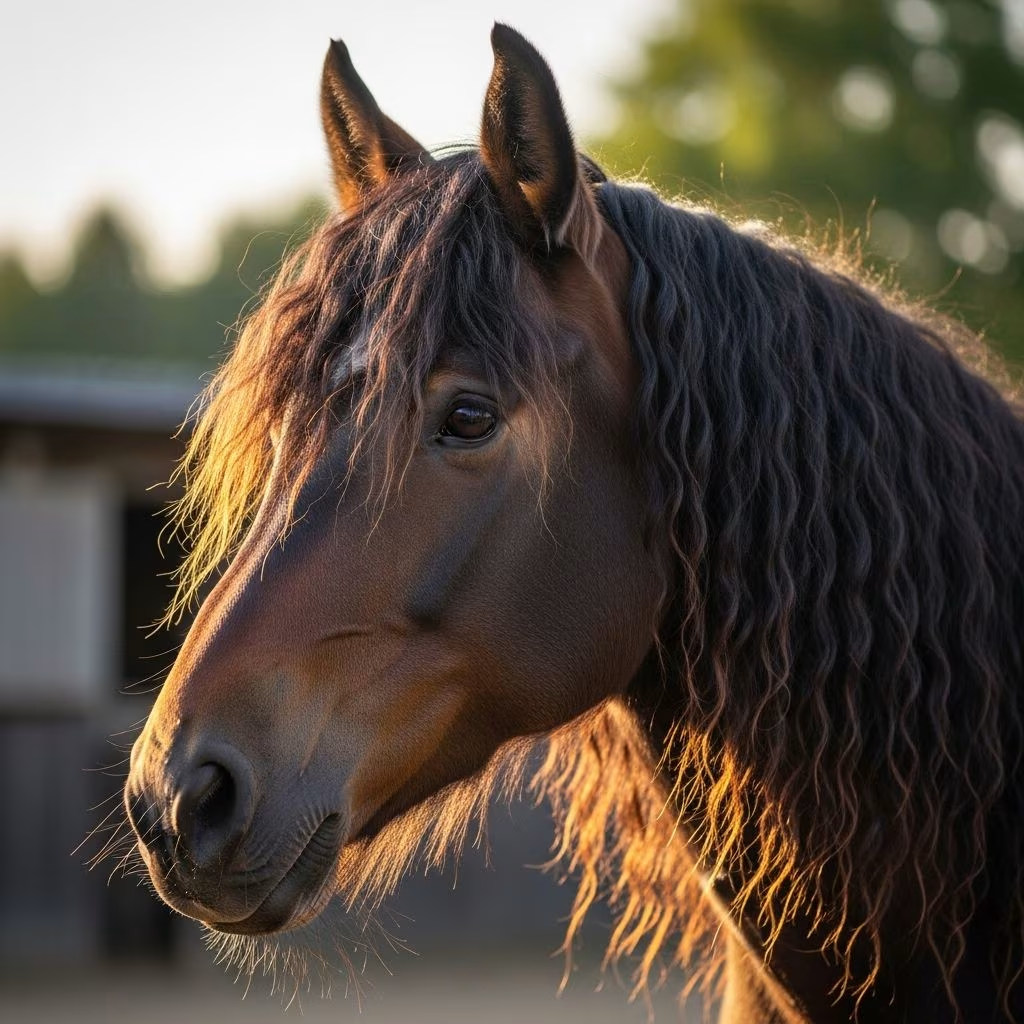
Pituitary pars intermedia dysfunction (PPID), often linked to adenomas in the pars intermedia of the pituitary gland, represents a prevalent endocrine disorder in aging horses. This condition triggers excessive hair growth known as hypertrichosis, alongside other systemic effects due to hormonal imbalances. Understanding its pathophysiology, recognition, and intervention is crucial for equine veterinarians and owners managing geriatric horses.
Understanding the Pituitary Gland’s Role in Horses
The pituitary gland, situated at the brain’s base, regulates numerous bodily functions through hormone production. In equines, the pars intermedia—a unique middle section—comprises melanotrope cells innervated by dopaminergic neurons from the hypothalamus. Dopamine normally suppresses these cells, inhibiting overproduction of pro-opiomelanocortin (POMC)-derived peptides like adrenocorticotropic hormone (ACTH) and alpha-melanocyte-stimulating hormone (α-MSH).
Degenerative changes, including oxidative stress and α-synuclein accumulation, damage these dopaminergic neurons, reducing dopamine tone. This loss prompts hyperplasia and adenoma formation in the pars intermedia, leading to unchecked POMC peptide secretion.
Pathophysiology of PPID and Hormone Dysregulation
PPID stems from diminished dopaminergic inhibition, causing melanotropes to proliferate and form adenomas. Unlike human Cushing’s disease, equine PPID features elevated ACTH that is often biologically inactive due to incomplete POMC processing by prohormone convertases. Consequently, plasma cortisol levels remain normal despite high ACTH.
Excess α-MSH, however, contributes to hypertrichosis by prolonging the anagen (growth) phase of hair follicles. Theories also suggest pituitary enlargement compresses hypothalamic thermoregulatory centers, exacerbating coat abnormalities. PPID disrupts the hypothalamic-pituitary-thyroid axis via glucocorticoid-mediated TRH suppression, resulting in low thyroxine and TSH levels.
| Hormone | Normal Function | PPID Effect |
|---|---|---|
| ACTH | Stimulates adrenal cortisol | Elevated but inactive |
| α-MSH | Regulates pigmentation/hair | Overproduced, causes hypertrichosis |
| TSH/Thyroxine | Thyroid regulation | Suppressed |
Recognizing Hypertrichosis: The Hallmark Sign
- Excessive Hair Growth: Hypertrichosis affects ~70% of PPID cases, with prolonged winter coat failing to shed.
- Regional Patterns: Early signs appear on the neck base, jaw, and legs; progresses to full-body long, curly coat.
- Thermoregulation Failure: Linked to hypothalamic compression or α-MSH excess, leading to anhidrosis or hyperhidrosis.
Hair follicles remain in anagen phase longer, resulting in abnormally thick coats that impair heat dissipation, especially in warm climates.
Additional Clinical Manifestations of PPID
Beyond hypertrichosis, PPID presents diverse symptoms due to hormonal dysregulation:
- Muscle Wasting: Loss of topline and epaxial muscles from protein catabolism.
- Laminitis: Common, possibly from dysregulated cortisol metabolism in hooves.
- Polyuria/Polydipsia: Attributed to reduced antidiuretic hormone or thirst from sweating.
- Immunosuppression: Reduced Th1 responses and elevated IL-8, increasing infection risk.
- Recurrent Infections: Sinusitis, abscesses, and dental issues from immune dysfunction.
Advanced cases show fat pads on neck/crests, lethargy, and neurological signs from pituitary expansion.
Diagnostic Approaches for PPID
Diagnosis relies on clinical signs and endocrine testing:
- Baseline ACTH: Elevated >35 pg/mL suggests PPID; seasonal rises in fall necessitate controls.
- TRH Stimulation Test: Inject 1 mg TRH IV; exaggerated ACTH response (>2x baseline at 10-15 min) confirms PPID. Avoid recent feeds.
- Combined DST/ACTH: Dexamethasone suppression test less reliable due to false negatives.
- Imaging/Histology: Post-mortem shows pars intermedia adenomas; ultrasound/necropsy for confirmation.
Screen horses >15 years annually, as prevalence reaches 20-25% in geriatrics.
Management and Therapeutic Strategies
PPID lacks a cure; treatment focuses on symptom control and progression halt:
- Pharmacotherapy: Pergolide (0.01-0.02 mg/kg PO daily) restores dopamine tone, reducing ACTH/α-MSH. Monitor appetite/response.
- Cypermethrin Clipping: Regular body clipping manages hypertrichosis, rugs for warmth.
- Supportive Care: Low-starch diets prevent laminitis; farrier care; antibiotics for infections.
- Monitoring: Quarterly ACTH tests adjust pergolide; thyroid supplements if hypothyroid.
Early intervention improves quality of life; prognosis varies with adenoma size.
Preventive Measures and Risk Factors
PPID primarily affects horses >15 years (15-30% prevalence), with no sex/breed predisposition but higher in ponies. Oxidative damage accelerates neurodegeneration; antioxidants (vit E/selenium) may mitigate.
- Annual vet checks for seniors.
- Nutritional balance to support dopamine synthesis.
- UV protection post-clipping to prevent sunburn.
FAQs on PPID and Hypertrichosis in Horses
What causes the long hair coat in PPID horses?
Primarily excess α-MSH prolongs hair growth phase; pituitary pressure on hypothalamus may contribute.
Is PPID the same as Cushing’s disease?
No—equine PPID differs from human Cushing’s, lacking hypercortisolism despite high ACTH.
How do I test my horse for PPID?
Use baseline ACTH or TRH stimulation; consult vet for seasonal norms.
Can PPID be reversed?
Not curable, but pergolide controls symptoms effectively in most cases.
At what age should I worry about PPID?
Screen from age 15; risk rises exponentially.
Prognosis and Long-Term Outlook
With prompt diagnosis and pergolide, many horses maintain comfort for years. Untreated, pituitary adenomas cause neurological deficits and euthanasia. Regular monitoring ensures optimal management.
References
- Pituitary Pars Intermedia Dysfunction (PPID) in Horses — PMC/NCBI. 2022-10-18. https://pmc.ncbi.nlm.nih.gov/articles/PMC9611634/
- 13 Signs of PPID in Horses: Long Hair Coat, Muscle Loss & More — Mad Barn. 2023. https://madbarn.com/signs-of-ppid-in-horses/
- Pituitary Pars Intermedia Dysfunction (PPID) in Horses — University of Illinois College of Veterinary Medicine. 2022. https://vetmed.illinois.edu/pet-health-columns/ppid-horses/
- Pituitary Pars Intermedia Dysfunction (PPID) — EquiMed. 2023. https://equiimed.com/reviews/pituitary-pars-intermedia-dysfunction-ppid/
- Equine Cushing’s Disease or PPID — University of Kentucky Cooperative Extension. 2021. https://publications.mgcafe.uky.edu/sites/publications.ca.uky.edu/files/ID252.pdf



