

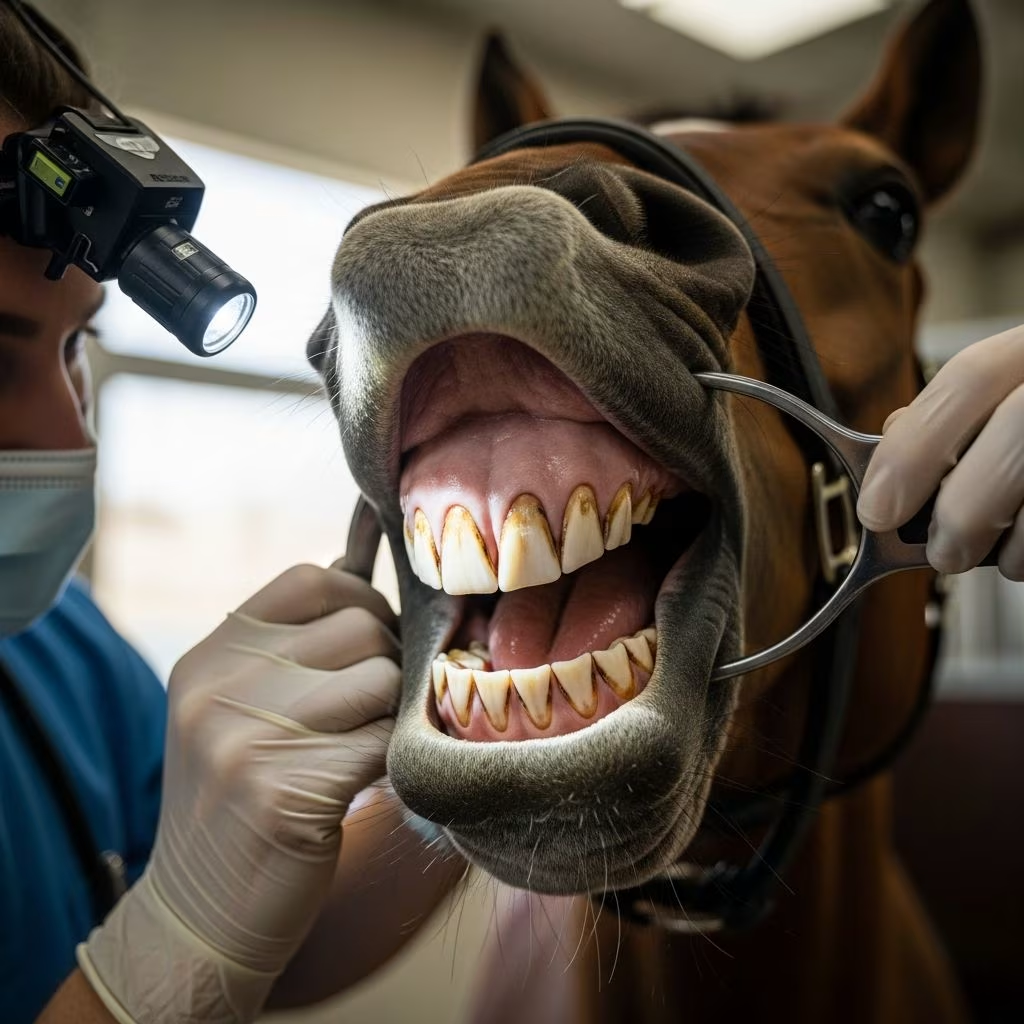
Dental health represents a critical component of overall equine wellness that many horse owners underestimate. Horses depend entirely on functional teeth for grazing, processing feed, and maintaining digestive health. Unlike humans, equine teeth continue to erupt throughout the animal’s lifetime, creating unique challenges for oral maintenance. Understanding common dental conditions, recognizing early warning signs, and implementing preventive care strategies can significantly impact your horse’s quality of life, comfort level, and long-term health outcomes.
The Importance of Equine Dental Function
A horse’s teeth serve far more than aesthetic purposes. These structures enable proper mastication of forage and grain, which is essential for efficient nutrient extraction and digestive function. When dental problems develop, horses often reduce their feed intake or alter their eating patterns, leading to weight loss, nutritional deficiencies, and secondary health complications. Beyond digestion, proper dental alignment influences behavior, rideability, and the horse’s ability to accept equipment such as bridles and bits comfortably.
The continuous eruption of equine teeth—approximately one-eighth inch per year—means that dental problems may develop or recur throughout a horse’s lifetime. This ongoing process necessitates consistent monitoring and professional care to prevent complications before they become severe.
Recognition of Oral Discomfort and Disease
Identifying dental problems in horses requires careful observation, as many conditions progress gradually and may not present obvious external signs until advanced stages occur. Horse owners should monitor for several key indicators that suggest underlying dental disease.
Behavioral and Performance Changes
Horses experiencing dental pain often display behavioral modifications that owners may initially attribute to other causes. Head tossing, particularly when ridden or bridled, can indicate oral discomfort. Some horses become noticeably irritable, resist equipment handling, or show reluctance to cooperate during normal activities. These behavioral shifts frequently intensify as dental disease progresses.
Feeding and Consumption Patterns
Perhaps the most telling sign of dental problems is altered eating behavior. Horses may display difficulty or slowness when consuming food, approach their feed cautiously, or demonstrate reluctance to chew. Quidding—the practice of dropping partially chewed feed from the mouth—represents a classic indicator of dental pain or functional impairment. Some horses begin dunking hay in water before consumption, apparently to soften the material and reduce chewing difficulty. Weight loss, sometimes substantial, frequently accompanies these feeding changes as caloric intake diminishes.
Oral Symptoms and Visible Changes
Observable changes within the mouth or around the face may indicate dental disease. Bad breath, often described as halitosis, frequently signals bacterial infection within affected teeth or periodontal tissues. Receding or inflamed gums suggest periodontal disease. Owners may notice visible tooth looseness, fractures, discoloration, or asymmetrical facial swelling. Excessive drooling can accompany certain dental conditions, and reluctance to drink cold water represents another classic clinical sign.
Common Equine Dental Conditions
Sharp Enamel Points
Sharp enamel points rank among the most prevalent dental problems affecting horses of all ages. These develop on the cheek-side surfaces of upper teeth and the tongue-side surfaces of lower teeth due to the uneven wear patterns inherent in equine mastication. The sharp projections create painful ulcers and lacerations in soft mouth tissues, impeding the chewing process. Professional removal through floating—the controlled grinding of dental surfaces—provides effective treatment, with most associated ulcers healing within five to seven days. However, because horse teeth continue to erupt continuously, sharp enamel points redevelop, necessitating annual dental examinations.
Periodontal Disease
Periodontal disease represents a progressive condition affecting the structures supporting teeth, including bone and soft tissues. The disease typically initiates with food impaction in spaces between teeth, followed by gingival inflammation and the formation of periodontal pockets. Without intervention, this process leads to detachment of the supporting fibers that hold teeth in place. Many cases remain undiagnosed until advanced stages require tooth extraction. Interestingly, mild periodontitis sometimes develops around permanent cheek teeth as they erupt but typically resolves without intervention once eruption completes.
Equine Odontoclastic Tooth Resorption and Hypercementosis (EOTRH)
EOTRH represents a particularly challenging dental disease characterized by progressive tooth structure breakdown and abnormal accumulation of cementum around tooth roots. This hard, calcified tissue builds up in the body’s apparent attempt to stabilize deteriorating roots, but instead creates additional complications. The condition typically affects incisors and canine teeth, though premolars may also be involved. EOTRH causes significant dental pain and generally progresses over time. A staging system ranging from 0 (minimal disease) to 3 (severe disease) helps veterinarians assess severity and guide treatment decisions. This condition proves particularly challenging because affected teeth cannot be salvaged; extraction remains the only viable treatment option once EOTRH develops.
Additional Dental Issues
Other conditions affecting equine dental health include malocclusion—improper alignment of upper and lower teeth—which can impede chewing efficiency and cause discomfort. Deciduous (baby) teeth sometimes fail to shed properly, interfering with permanent tooth eruption and causing behavioral problems or feeding difficulties. Dental decay, particularly prevalent in horses consuming harder feeds like hay and grain, results from reduced saliva availability and prolonged food material retention between meals.
Professional Diagnostic Approaches
Accurate diagnosis of equine dental disease requires comprehensive evaluation by qualified professionals. When dental problems are suspected, veterinarians typically conduct thorough oral examinations after administering appropriate sedation or anesthesia to allow complete access to all tooth surfaces and structures. During these examinations, professionals inspect teeth, gums, and surrounding tissues for visible abnormalities, inflammation, fractures, or other pathological changes.
Radiographic imaging provides essential diagnostic information for many conditions. X-rays reveal subsurface dental pathology, bone loss associated with periodontal disease, and the extent of tooth structure damage in conditions like EOTRH. This imaging capability proves particularly valuable for identifying problems not visible during visual inspection alone, enabling earlier intervention and more targeted treatment planning.
Treatment Strategies and Interventions
Floating and Occlusal Adjustment
Floating procedures constitute routine preventive and therapeutic dental work. Using specialized equipment, veterinarians carefully grind tooth surfaces to remove sharp enamel points, correct malocclusion, and create balanced occlusal surfaces that distribute chewing forces evenly. This procedure typically requires sedation to ensure thorough work and the horse’s comfort. Power floats—motorized equipment providing consistent, controlled grinding—have become standard in equine dental practice, offering improved precision compared to manual techniques.
Tooth Extraction
Extraction becomes necessary when teeth are severely diseased, fractured beyond repair, or—as with EOTRH—irreversibly damaged. This procedure requires sedation or general anesthesia and careful surgical technique to minimize trauma and complications. Most horses recover well from dental extractions and return to normal quality of life, including full feeding function. Recovery periods typically involve reduced feed consistency temporarily, allowing surgical sites to heal.
Antimicrobial and Anti-inflammatory Medications
When infection accompanies dental disease, antibiotics help control bacterial growth and prevent systemic complications. Nonsteroidal anti-inflammatory drugs (NSAIDs) provide pain relief and reduce inflammation associated with dental disease, improving the horse’s comfort during healing periods. Commonly prescribed NSAIDs for equine dental pain include phenylbutazone, firocoxib, and flunixin, available in multiple formulations to accommodate individual horse preferences and administration capabilities.
Prevention and Long-Term Management
Routine Professional Care
Regular dental examinations by qualified veterinarians or equine dentists represent the most important preventive measure. Annual examinations allow early identification of developing problems before they cause significant pain or functional impairment. Horses in active use or competition may benefit from examinations twice yearly, as increased work levels can accelerate dental wear and exacerbate existing conditions.
Environmental and Dietary Considerations
Feed type influences dental health significantly. Horses consuming softer feeds experience reduced chewing requirements and less natural dental wear than those grazing pasture or consuming hay. While softening feed may prove necessary for horses with significant dental disease, maintaining natural mastication patterns through appropriate forage consumption supports long-term dental health. Ensuring adequate saliva production—facilitated by consistent chewing activity—helps prevent dental decay and supports natural cleaning mechanisms.
Behavioral Monitoring
Owners who maintain close observation of their horses’ eating patterns, behavior, and overall comfort can identify emerging problems early. Any changes in feed consumption, reluctance to accept equipment, or altered behavior warrant professional evaluation.
Frequently Asked Questions
- How often should horses receive professional dental care?
- Most horses benefit from annual dental examinations. Some individuals, particularly those with existing dental disease or in active use, may require examinations twice yearly. Your veterinarian can recommend appropriate intervals based on your specific horse’s needs and conditions.
- Can horses with dental disease continue normal activities?
- Many horses can continue work with appropriate modifications. However, severe dental disease causing pain may require activity reduction during treatment and recovery periods. Your veterinarian can advise regarding specific capabilities based on your horse’s condition.
- What is the prognosis for horses with EOTRH?
- While EOTRH cannot be cured, extraction of affected teeth provides effective pain relief and improves quality of life. Most horses do remarkably well following extractions and return to normal feeding and work capacity, though some dietary modifications may prove beneficial long-term.
- Do horses need anesthesia for dental work?
- Most routine dental procedures benefit from sedation to ensure thorough examination and treatment while minimizing stress and discomfort. More extensive procedures, particularly extractions, typically require general anesthesia for safety and complete access to affected teeth.
- How can I tell if my horse has a dental problem?
- Common signs include difficulty eating, weight loss, bad breath, head tossing, reluctance to accept bridle and bit, quidding, and visible changes to teeth or facial structure. Any behavioral change or feeding difficulty warrants professional evaluation.
Conclusion
Equine dental health directly influences overall wellness, comfort, and performance. By understanding common dental conditions, recognizing early warning signs, and prioritizing regular professional examinations, horse owners can prevent serious complications and maintain their animals’ quality of life. Dental disease need not be inevitable or debilitating when identified early and treated appropriately. Commitment to preventive care and consistent monitoring ensures that your horse retains functional, comfortable teeth throughout its lifetime, supporting optimal nutrition, behavior, and rideability.
References
- Dental Disorders of Horses – Horse Owners — Merck Veterinary Manual. 2025. https://www.merckvetmanual.com/horse-owners/digestive-disorders-of-horses/dental-disorders-of-horses
- EOTRH – Dental Disease In Horses: Common Causes, Symptoms & Treatment — Advanced Equine of the Hudson Valley. 2025. https://www.advancedequinehv.com/eotrh-dental-disease-in-horses-common-causes-symptoms-treatment/
- Understanding EOTRH in Horses: Symptoms, Causes and Effective Treatment Options — Mixlab. 2025. https://mixlab.com/blog/eotrh-in-horses
- 20+ Common Dental Issues in Horses – Signs of Problems and Treatment — Mad Barn. 2024. https://madbarn.com/dental-issues-in-horses/
- Common Horse Dental Problems — Texas Equine Dental Care. 2025. https://www.texasequinedentist.com/equine-dental-care/common-equine-dental-problems.html
- Can You Spot the Signs of Dental Pain in Your Horse? — Zoetis Equine. 2024. https://www.zoetisequine.com/blog-articles/can-you-spot-the-signs-of-dental-pain-in-your-horse
- No Known Treatment For Equine Dental Disease EOTRH — American Association of Equine Veterinary Technicians. 2024. https://aaevt.org/more-than-cavities-no-known-treatment-for-equine-dental-disease-eotrh/



