

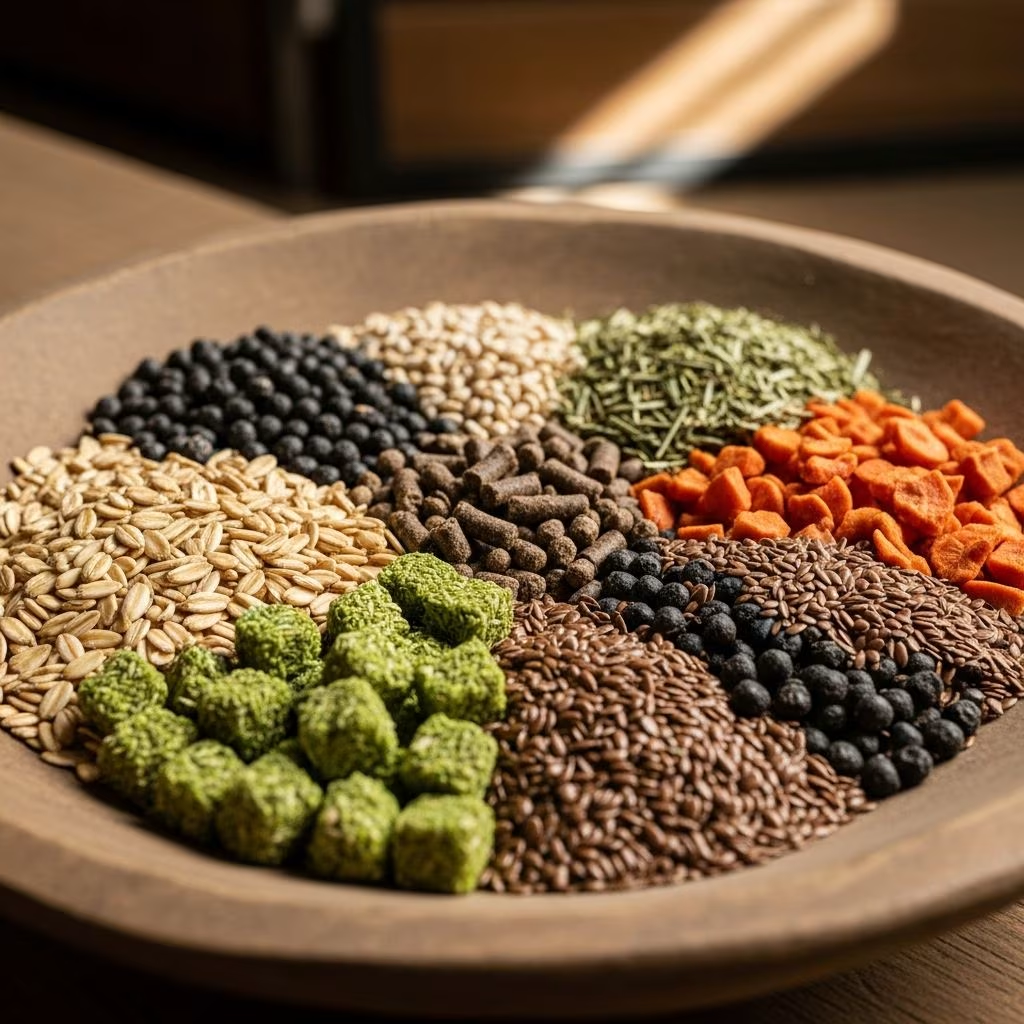
Horses thrive when provided with a balanced diet that meets their specific physiological needs. Proper nutrition supports everything from basic maintenance to high-level athletic performance, influencing muscle development, bone strength, and immune function.
Core Nutrients for Horse Health
The foundation of any equine diet consists of six primary nutrient classes: water, carbohydrates, proteins, fats, vitamins, and minerals. Each plays a distinct role in sustaining life and activity.
- Water: Often overlooked, water is the most critical nutrient, with horses requiring 5-15 gallons daily, increasing with heat, exercise, or dry forage intake.
- Carbohydrates: Primary energy providers from forages like hay and pasture, fueling daily activities and digestion.
- Proteins: Essential for tissue repair and growth, particularly in young or working horses, sourced from legumes and supplements.
- Fats: Concentrated energy boosters that enhance coat quality and vitamin absorption.
- Vitamins and Minerals: Microntrients vital for metabolic processes, bone integrity, and electrolyte balance.
Building a Forage-Centered Diet
Forage should comprise the bulk of a horse’s intake, mimicking natural grazing patterns to promote gut health and prevent issues like colic. Aim for 1-2.5% of body weight in hay or pasture daily.
High-quality forage is green, dust-free, and mold-free. Legume-grass mixes provide balanced nutrition, while testing forage ensures deficiencies are addressed.
| Forage Type | Key Benefits | Daily Amount (for 1000 lb Horse) |
|---|---|---|
| Grass Hay | Fiber for digestion, moderate energy | 15-20 lbs |
| Alfalfa Hay | High protein, calcium-rich | 10-15 lbs (supplemental) |
| Pasture Grass | Natural variety, hydration boost | Ad libitum when available |
Energy Needs Across Workloads
Energy, derived mainly from carbs and fats, powers maintenance, growth, and exertion. Idle horses need less than those in training. Total Digestible Nutrients (TDN) measure feed energy value.
Maintenance diets suffice for pasture-kept adults, while performance horses require concentrates to meet elevated demands without excess weight gain.
Protein: Quality Over Quantity
Growing foals need 12-18% crude protein, adults 8-10%, with lactating mares higher. Key amino acids like lysine come from soybean meal or alfalfa; overfeeding strains kidneys.
Assess via body condition scoring: ribs palpable but not visible indicate balance.
Vitamins and Minerals Demystified
Minerals divide into macros (calcium, phosphorus at 2:1 ratio for bones) and micros (copper, zinc for growth). Free-choice loose minerals outperform blocks due to better intake.
Vitamins A, D, E support vision, skeletal health, and antioxidants; sunlight and fresh forage often suffice.
Water and Hydration Strategies
Horses drink 25-55 liters daily, more on hay diets or post-exercise. Clean, unfrozen water prevents impaction; electrolytes aid heavy sweaters.
Customizing for Life Stages
Young and Growing Horses
Foals demand nutrient-dense feeds for rapid development, emphasizing protein, calcium, and trace minerals.
Breeding and Lactating Mares
Increased energy and protein support fetal growth and milk production.
Performance Athletes
Calorie-dense fats and carbs fuel endurance; monitor for ties or fatigue.
Senior Horses
Easier-to-chew senior feeds address dental wear, with joint-supporting nutrients.
Concentrates and Supplements Wisely
Use commercial feeds or balancers to fill forage gaps, not replace it. Vegetable oil boosts calories safely. Supplements suit specific needs like biotin for hooves.
Avoid over-supplementation; test hay and consult equine nutritionists.
Daily Feeding Best Practices
- Feed 2-3 times daily to mimic grazing.
- Introduce changes gradually over 7-10 days.
- Provide salt free-choice.
- Monitor manure for digestion clues.
Body Condition Assessment
Use a 1-9 Henneke scale: 5 is ideal. Adjust intake quarterly.
| Score | Description | Action |
|---|---|---|
| 1-3 | Emaciated | Increase calories |
| 4-5 | Moderate | Maintain |
| 6-9 | Obese | Reduce, exercise |
Frequently Asked Questions (FAQs)
How much hay does my horse need?
Typically 1.5-2% of body weight, or 15-20 lbs for a 1000 lb horse.
Can horses eat too much protein?
Yes, excess burdens kidneys; balance via testing.
When should I add concentrates?
For high energy needs or forage shortfalls.
Is pasture enough year-round?
Often yes for maintenance, but supplement in winter.
How to prevent mineral deficiencies?
Offer loose mixes; test soil and forage.
Common Pitfalls to Avoid
Over-reliance on grains risks laminitis; abrupt changes cause colic. Seasonal adjustments prevent obesity or thinness.
Tools like nutrition calculators aid precision.
References
- How to Feed a Horse – Understanding the Basic Principles of Horse Nutrition — University of Georgia Cooperative Extension. 2023. https://fieldreport.caes.uga.edu/publications/B1355/how-to-feed-a-horse-understanding-the-basic-principles-of-horse-nutrition/
- The Complete Guide to Balancing Your Horse’s Diet — Carrollton Equine. 2024. https://carrolltonequine.com/the-complete-guide-to-balancing-your-horses-diet-from-pasture-to-stable/
- Horse Nutritional Requirements: A Comprehensive Guide — EquineCtar. 2024-10. https://equinectar.com/2024/10/horse-nutritional-requirements-a-comprehensive-guide/
- The Basics of Equine Nutrition — Rutgers Equine Science Center (.edu). Accessed 2026. https://esc.rutgers.edu/fact_sheet/the-basics-of-equine-nutrition/
- Nourishing Your Equine Partner: Comprehensive Guide — Frequine. 2024. https://www.frequine.com/services/blog/nourishing-your-equine-partner-comprehensive-guide-equine-nutrition
- Your Complete Equine Nutrition Guide for 2025 — Equestrian App. 2025. https://equestrianapp.com/blog/complete-equine-nutrition-guide-2025.html
- How to Feed Horses: General Guidelines — Kentucky Equine Research. 2024. https://ker.com/equinews/how-to-feed-horses-general-guidelines/



