

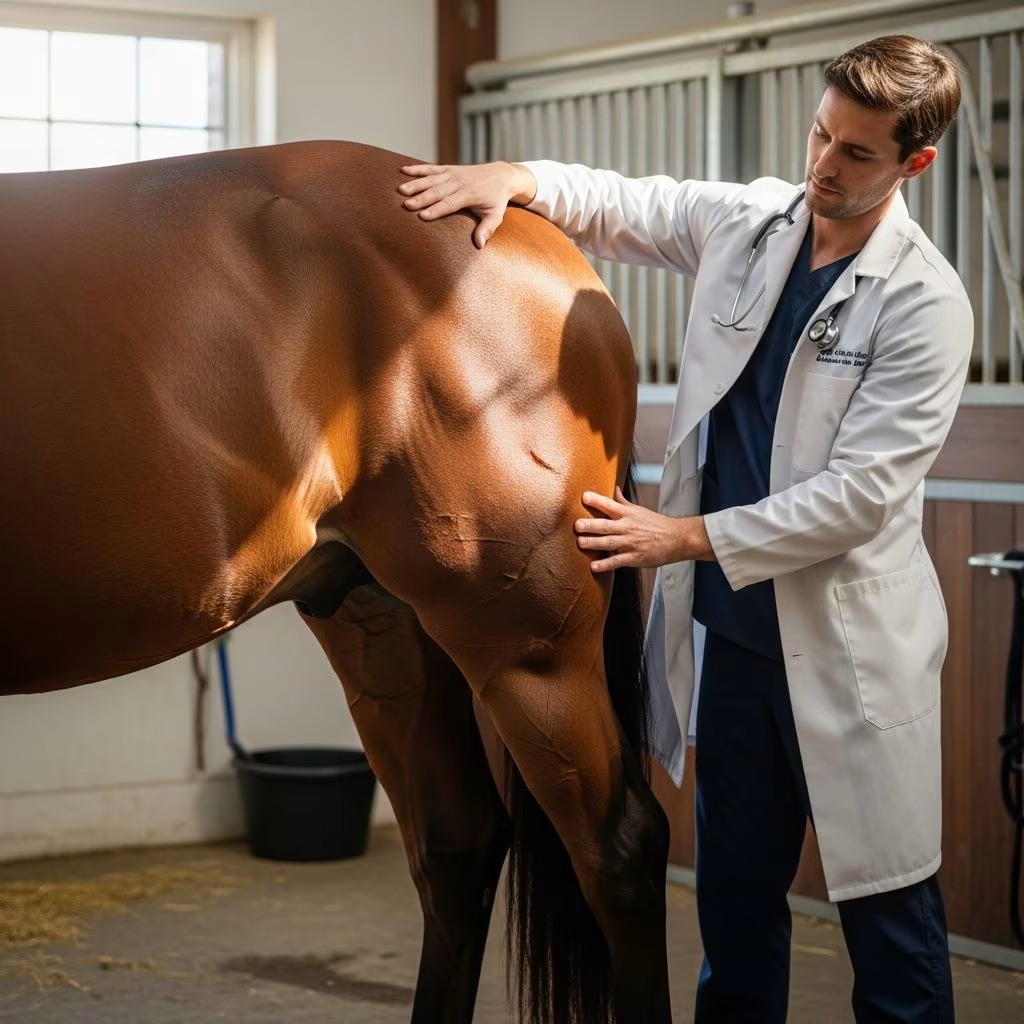
Muscle diseases represent a significant health concern in equine medicine, affecting horses across various ages, breeds, and activity levels. These conditions, collectively known as myopathies, encompass a diverse range of disorders that can impair muscle function, limit performance, and in severe cases, threaten the horse’s overall well-being. Understanding the underlying causes, recognizing clinical presentations, and implementing appropriate management strategies are essential for horse owners and veterinary professionals.
Defining Equine Myopathies and Their Impact
Myopathies are diseases that primarily affect muscle tissue, resulting in various degrees of dysfunction and deterioration. These conditions present with a spectrum of clinical manifestations, ranging from mild muscle stiffness and exercise intolerance to severe weakness, atrophy, and complete immobility. The impact on affected horses varies significantly depending on the specific type of myopathy, its severity, and the timeliness of intervention.
The pathophysiology of muscle disorders in horses involves damage to muscle fibers at different levels—from cellular metabolism disruptions to inflammatory responses and structural breakdown. When muscles are compromised, horses may experience acute episodes of pain and stiffness or gradual, progressive weakening of specific muscle groups. Recognition of these signs is crucial for initiating appropriate care and preventing complications.
Genetic Myopathies: Hereditary Muscle Conditions
Several muscle disorders in horses have well-documented genetic origins, with inheritance patterns that have been identified through veterinary research and genetic testing. These conditions often manifest predictably based on an individual horse’s genetic makeup, though environmental factors and management practices can influence disease expression and severity.
Polysaccharide Storage Myopathy (PSSM)
Among the most prevalent genetic myopathies is polysaccharide storage myopathy, which disrupts the horse’s ability to properly metabolize and store carbohydrates in muscle tissue. This condition results in an abnormal accumulation of glycogen—the stored form of sugar within muscle cells. The excessive glycogen buildup interferes with normal muscle function and energy metabolism, particularly during or after exercise.
Horses with PSSM typically experience episodes of muscle stiffness and discomfort following physical activity, a phenomenon commonly referred to as “tying up” or exertional rhabdomyolysis. Affected animals may demonstrate reluctance to move, visible sweating, lameness, and involuntary muscle tremors. While there is no cure for PSSM, approximately 50% of affected horses show significant improvement when managed through carefully designed dietary protocols and appropriately structured exercise programs.
Hypercalcemic Periodic Paralysis (HYPP)
This genetic condition is characterized by unpredictable episodes of muscle weakness and paralysis associated with abnormal potassium regulation. Horses with HYPP experience sudden onset of symptoms that can range from mild muscle stiffness to severe paralysis, with episodes potentially lasting from minutes to hours. The condition results from a genetic mutation affecting ion channel function, primarily seen in Quarter Horse lineages.
Glycogen Branching Enzyme Deficiency (GBED)
GBED represents a severe inherited metabolic disorder affecting glycogen synthesis. Affected foals typically show clinical signs within the first weeks of life, experiencing muscle weakness, developmental delays, and often cardiac complications. This condition is typically lethal, with most affected animals requiring euthanasia.
Immune-Mediated Myositis (IMM)
Immune-mediated myositis represents an inflammatory myopathy characterized by the body’s own immune system attacking muscle tissue. This condition presents with acute episodes of muscle pain, stiffness, reluctance to move, and particularly noticeable muscle loss in the back and hindquarters. The muscle atrophy in IMM can be dramatic, sometimes occurring within 24 hours of disease onset.
Interestingly, a genetic mutation in the MYH1 gene makes Quarter Horses and related breeds susceptible to IMM, particularly following infection or vaccination. Infections associated with IMM include influenza virus, equine herpesvirus variants, and Streptococcus species. However, over half of all IMM cases occur without an identifiable triggering infection or event.
Nutritional and Metabolic Myopathies
Beyond genetic disorders, muscle diseases can develop from nutritional imbalances and metabolic dysfunction. These conditions are particularly significant because they are often preventable and potentially reversible through dietary correction and supplementation.
Selenium and Vitamin E Deficiency
White muscle disease, resulting from severe selenium deficiency, primarily affects newborn foals and young horses. This condition causes muscle degeneration and weakness, particularly affecting the heart and skeletal muscles. Similarly, vitamin E deficiency can contribute to muscle degeneration, especially in horses with limited access to fresh forage or those consuming stored feeds with decreased vitamin E content. Both conditions can be prevented through appropriate supplementation and dietary management.
Myofibrillar Myopathy (MFM)
MFM represents a condition affecting muscle fiber structure and function, presenting with symptoms including shifting or hind limb lameness, exercise intolerance, and declining performance. The symptoms of MFM often overlap with other conditions such as tendon injuries, joint disease, and PSSM, making accurate diagnosis challenging. Unlike some myopathies, MFM has no cure, but recent research demonstrates that a balanced diet with adequate protein, fat, and appropriate carbohydrate sources, combined with targeted supplementation, can help manage clinical signs and maintain muscle health.
Environmental and Toxic Myopathies
Certain plants and environmental toxins can cause acute or chronic muscle damage in horses. Toxic plant ingestion, including box elder, European sycamore maple, white snake root, and vitamin D-stimulating plants, can result in muscle damage. Additionally, ionophore compounds (such as monensin, lasalocid, and rumensin) used in some feed products can cause severe myopathy if inadvertently fed to horses.
Atypical Pasture Myopathy
Seasonal pasture myopathy occurs when horses graze on pastures containing toxins, particularly during spring months when certain plant toxins are present. This condition presents with stiffness, difficulty walking or standing, and dark discoloration of urine, reflecting muscle breakdown products being excreted. Affected horses may progress to rapid, labored breathing and recumbency in severe cases.
Traumatic and Compressive Myopathies
Muscle damage can result from direct trauma, compression injuries, or from incidents that damage the blood vessels supplying muscle tissue. Fibrosing myopathy develops when muscle tissue hardens and becomes fibrotic following injury. This condition presents with a distinctive jerky, shortened gait as muscles become increasingly restricted. Treatment typically involves surgical removal of affected tissue or surgical release of associated ligaments, with approximately half of affected horses achieving complete recovery.
Infection-Associated Muscle Disease
Bacterial and viral infections can directly or indirectly damage muscle tissue. Streptococcal infections, influenza, and herpesvirus can trigger immune-mediated muscle damage or directly infect muscle tissue. Anaplasmosis, transmitted by Ixodes ticks, causes systemic infection that may involve muscle, resulting in elevated muscle enzymes and potential muscle involvement.
Clinical Recognition and Diagnostic Approach
Recognizing signs of muscle disease is the first step toward appropriate intervention. Horses with myopathies may present with:
- Muscle stiffness and cramping, particularly following exercise
- Lameness, often shifting between limbs
- Reluctance to move or exercise intolerance
- Visible muscle pain and tremors
- Muscle atrophy affecting specific regions
- Dark-colored urine indicating muscle breakdown
- In severe cases, inability to stand or recumbency
Diagnostic evaluation typically includes blood tests measuring muscle enzymes (creatine kinase and aspartate aminotransferase), which are elevated when muscle tissue is damaged. Genetic testing can identify inherited conditions, while muscle biopsy provides definitive diagnosis in immune-mediated conditions. Imaging studies and urinalysis provide additional diagnostic information.
Management and Treatment Strategies
Acute Episode Management
When a horse experiences an acute episode of muscle disease, immediate action is essential. Affected horses should stop exercise immediately and be moved to comfortable, well-bedded stalls with access to fresh water. Pain management using appropriate analgesics and muscle relaxants provides relief and reduces anxiety, with most horses showing significant pain reduction within 18 to 24 hours of treatment initiation.
Maintaining proper hydration and electrolyte balance is critical, as these factors influence muscle function and recovery. Blood and urine monitoring should be repeated throughout the acute phase to track enzyme levels and assess kidney function, as severe myopathy can lead to secondary kidney complications.
Long-Term Management Approaches
Chronic myopathy management focuses on preventing recurrent episodes and supporting ongoing muscle health:
- Dietary modifications: Balanced nutrition with appropriate forage analysis, proper grain selection, and targeted supplementation
- Exercise programming: Consistent, moderate activity levels tailored to individual tolerance
- Supplement management: Addressing specific deficiencies through supplementation
- Environmental control: Preventing access to toxic plants and ensuring quality feed
- Regular monitoring: Periodic veterinary evaluation and blood work to assess muscle status
Immunosuppressive Therapy
For immune-mediated conditions, corticosteroid therapy forms the cornerstone of treatment. Intravenous glucocorticoids are administered for several days initially, then transitioned to oral corticosteroids continued for two to six weeks. This approach reduces the inflammatory destruction of muscle tissue and improves outcomes for immune-mediated myositis.
Infection Management
When infections trigger muscle disease, treating the underlying infection becomes essential. Antibiotic therapy appropriate for the causative organism, combined with supportive care and anti-inflammatory medications, addresses both the infection and resulting myopathy.
Prognosis and Recovery Expectations
Recovery outcomes vary significantly depending on the specific condition, severity, and timing of intervention. Many horses with nutritional myopathies show excellent recovery once deficiencies are corrected. Genetic conditions like PSSM can often be managed successfully with appropriate lifestyle modifications, allowing affected horses to function reasonably well with restricted episodes.
Immune-mediated myositis typically results in gradual muscle mass recovery over several months with appropriate treatment. Traumatic myopathies have variable outcomes, with surgical intervention sometimes necessary for optimal recovery. Early recognition and prompt treatment of any myopathy consistently improves prognosis and functional outcomes.
Prevention and Health Management
While not all myopathies can be prevented, several strategies reduce risk:
- Ensuring adequate vitamin E and selenium intake through forage or supplementation
- Providing a balanced diet meeting all nutritional requirements
- Maintaining consistent exercise programs
- Preventing access to toxic plants and contaminated feeds
- Genetic screening for known inherited conditions in breeding programs
- Keeping vaccination status current to prevent infection-related myopathy
Frequently Asked Questions
Can horses recover from myopathy?
Recovery depends on the specific condition. Many nutritional myopathies resolve with correction of deficiencies. Genetic conditions like PSSM can be managed but not cured. Immune-mediated myositis typically results in good recovery with appropriate treatment, though muscle regrowth takes months.
Is tying up the same as myopathy?
Tying up refers to acute episodes of muscle pain and cramping, which can result from various myopathies including PSSM and exertional rhabdomyolysis. While often used interchangeably, tying up is a clinical sign rather than a specific diagnosis.
Can diet prevent muscle disease?
Proper nutrition prevents some myopathies, particularly nutritional deficiency-related conditions. For genetic myopathies like PSSM, appropriate diet significantly reduces episode frequency and severity, though the underlying genetic condition remains.
References
- Polysaccharide Storage Myopathy (PSSM) — UC Davis School of Veterinary Medicine. https://ceh.vetmed.ucdavis.edu/health-topics/polysaccharide-storage-myopathy-pssm
- Causes of Immune-Mediated Myopathies in Horses — Equi Management. 2024. https://equimanagement.com/research-medical/disease/causes-of-immune-mediated-myopathies-in-horses/
- Muscle Disorders in Horses – Horse Owners — Merck Veterinary Manual. https://www.merckvetmanual.com/horse-owners/bone-joint-and-muscle-disorders-in-horses/muscle-disorders-in-horses
- Myofibrillar Myopathy in Horses — PetMD. https://www.petmd.com/horse/conditions/musculoskeletal/myofibrillar-myopathy-horses
- Overview of Myopathies in Horses – Musculoskeletal System — Merck Manual Veterinary. https://www.msdvetmanual.com/musculoskeletal-system/myopathies-in-horses/overview-of-myopathies-in-horses
- Seasonal Pasture Myopathy — Kentucky Equine Research. https://ker.com/nmdl/resources/spm/
- Tying-Up in Horses — Rutgers Equine Science Center. https://esc.rutgers.edu/fact_sheet/5531/



