

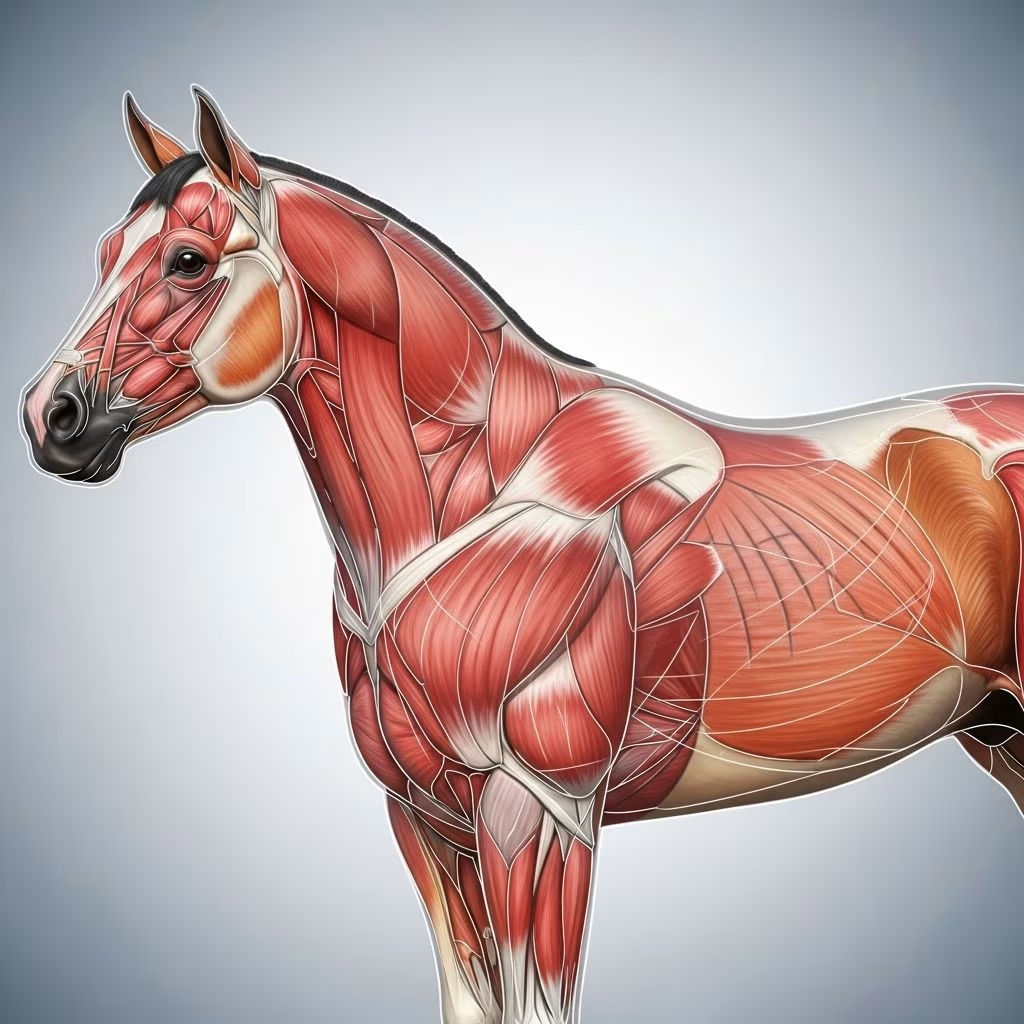
Muscle disorders in horses represent a significant concern for owners, trainers, and veterinarians, often manifesting as sudden performance declines, stiffness, or severe episodes that mimic colic or lameness. These conditions stem from genetic predispositions, nutritional imbalances, or exertional stress, affecting breeds from Quarter Horses to Warmbloods. Early recognition of symptoms like **muscle tremors**, reluctance to move, or firm hindquarters can prevent chronic issues and support long-term equine welfare.
Recognizing Early Warning Signs of Muscle Problems
Horses with muscle disorders frequently exhibit subtle initial changes that escalate without intervention. Common indicators include excessive sweating during light work, rapid breathing, and a firm, painful topline or hindquarters. Owners might notice their horse starting workouts strong but quickly becoming reluctant to engage the hind end or collect properly.
- Behavioral shifts: Reduced enthusiasm for exercise, frequent yawning, or head tossing under saddle.
- Physical changes: Muscle atrophy over the back, asymmetry in gaits, or sensitivity when grooming the hindquarters.
- Acute signs: Dark urine (myoglobinuria), trembling, or collapse after exertion, signaling rhabdomyolysis.
These symptoms vary by disorder but often overlap, necessitating veterinary evaluation through bloodwork for elevated creatine kinase (CK) levels, which confirm muscle damage.
Major Types of Muscle Conditions in Horses
Several well-documented myopathies plague equine populations, each with unique genetic markers and triggers. Understanding these helps tailor management plans.
Polysaccharide Storage Myopathy (PSSM)
PSSM causes abnormal glycogen buildup in muscle fibers, leading to tying-up episodes post-exercise. Type 1 PSSM, linked to a GYS1 gene mutation, predominates in Quarter Horses and drafts, while Type 2 affects lighter breeds like Arabians and Thoroughbreds. Affected horses may show no signs at rest but stiffen dramatically after work, with sweating, lameness, and tremors.
| PSSM Type | Common Breeds | Key Features |
|---|---|---|
| Type 1 | Quarter Horse, Drafts | Genetic test positive; severe tying-up |
| Type 2 | Arabian, Warmblood | Biopsy diagnosis; milder, gait issues |
Management focuses on low-starch diets (under 10% non-structural carbohydrates) and daily exercise to deplete excess glycogen.
Hyperkalemic Periodic Paralysis (HYPP)
HYPP, prevalent in Quarter Horses descended from Impressive, results from a sodium channel mutation causing potassium imbalances. Episodes trigger muscle fasciculations, third eyelid prolapse, and respiratory distress, sometimes culminating in collapse or death. Horses remain conscious during attacks, which last 20-60 minutes.
- Triggers: High-potassium feeds, stress, or anesthesia.
- Diagnosis: Genetic testing; elevated serum potassium during episodes.
Control involves low-potassium diets and acetazolamide medication to stabilize ion channels.
Recurrent Exertional Rhabdomyolysis (RER)
RER, or chronic tying-up, strikes young, high-strung fillies during early training. Stress hormones exacerbate calcium regulation issues in muscles, causing pain and pigmenturia after minimal exercise. Episodes feature firm hindquarters, sweating, and refusal to move.
Prevention emphasizes turnout, gradual conditioning, and calming supplements like magnesium.
Myofibrillar Myopathy (MFM)
Recently identified, MFM disrupts myofibril structure, causing weakness and soreness, especially in Warmbloods and Arabians after rest periods. Signs include hindquarter reluctance and intermittent spasms, confirmed via muscle biopsy.
Other Notable Disorders
- Fibrotic Myopathy: Semimembranosus scarring leads to gait hitch; surgical correction possible.
- Malignant Hyperthermia (MH): Rare, anesthesia-triggered; genetic in Quarter Horses.
- Botulism: Toxin-induced paralysis from contaminated feed; supportive care critical.
Diagnostic Approaches for Accurate Identification
Veterinarians employ a multi-step process to pinpoint muscle disorders. Initial exams check for pain on palpation, gait analysis, and blood tests for CK and AST elevations post-exercise.
- Genetic PCR tests for PSSM1, HYPP, MH.
- Muscle biopsies reveal glycogen aggregates or myofibril degeneration.
- Urinalysis detects myoglobin; ECG monitors HYPP episodes.
Advanced imaging like ultrasound assesses atrophy, while diet trials rule out nutritional causes.
Management and Treatment Strategies
No cures exist for genetic myopathies, but tailored protocols restore function. Dietary overhaul is cornerstone: high-fat, low-starch feeds reduce energy spikes.
| Disorder | Dietary Focus | Exercise Protocol |
|---|---|---|
| PSSM | 15-20% fat, <10% NSC | Daily 1-2 hours aerobic |
| HYPP | Low K+ (<1.2%) | Avoid triggers |
| RER | Balanced calmers | Gradual intensity build |
Supplements like vitamin E/selenium combat oxidative stress; NSAIDs manage acute pain. Regular monitoring prevents relapse.
Prevention Tips for Horse Owners
Proactive measures minimize risks. Select breeding stock tested negative for PSSM/HYPP. Maintain consistent routines with ample turnout to buffer stress.
- Monitor body condition; avoid overfeeding concentrates.
- Warm-up thoroughly before intense sessions.
- Annual vet checks for at-risk breeds.
Educating on breed predispositions aids early intervention.
FAQs on Horse Muscle Disorders
What causes a horse to tie up suddenly?
Tying up, or rhabdomyolysis, often results from PSSM, RER, or electrolyte shifts during exertion.
Can muscle disorders be cured?
Genetic forms like PSSM are managed, not cured, via diet and exercise.
How do I test my horse for PSSM?
A simple genetic swab from mane/tail confirms Type 1; biopsy for Type 2.
Is HYPP fatal?
Rarely, but severe episodes cause collapse; management prevents most cases.
Can diet alone fix my horse’s muscle issues?
Diet is key but pair with exercise; consult a vet for plans.
Long-Term Outlook and Owner Responsibilities
With diligent care, most affected horses compete successfully. Owners must commit to lifelong adjustments, tracking episodes via logs. Collaborate with equine nutritionists for feed analysis. Emerging research on gene therapies offers hope, but current focus remains supportive.
(Word count: 1678)
References
- Polysaccharide Storage Myopathy (PSSM) — UC Davis Center for Equine Health. 2023-05-15. https://ceh.vetmed.ucdavis.edu/health-topics/polysaccharide-storage-myopathy-pssm
- 5 Conditions Affecting Equine Muscles — The Horse. 2022-11-10. https://thehorse.com/194139/5-conditions-affecting-equine-muscles/
- 8 Common Musculoskeletal Problems in Horses — Poll to Pastern. 2024-03-22. https://www.polltopastern.com/post/8-common-musculoskeletal-problems-in-horses
- Muscle Disorders in Horses — Merck Veterinary Manual. 2025-01-08. https://www.merckvetmanual.com/horse-owners/bone-joint-and-muscle-disorders-in-horses/muscle-disorders-in-horses
- Signs Your Horse May Be Dealing with a Muscle Disorder — Countryside Equine. 2023-07-19. https://countrysideeq.com/blog/signs-your-horse-may-be-dealing-with-a-muscle-disorder/
- Horse Muscle Diseases — Cave Creek Equine. 2024-02-14. https://cavecreekequine.com/blog/horse-muscle-diseases/



